
It all started when that whole mess with the last contract went completely sideways. You know the one. The company I was at, the one with the open-plan office and the free coffee that tasted like burnt tires? We had this monster project, a total disaster from day one. I remember sitting there, staring at the Gantt chart that looked like a plate of spaghetti, and everyone was panicking. Everyone except for a specific few who handled the chaos in ways that were just straight-up weird.
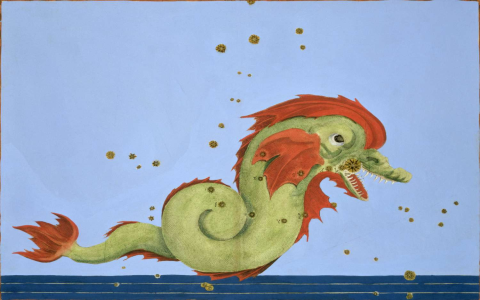
I decided then and there to start keeping a log. I wasn’t doing it for some HR study or anything. I was doing it because when things hit the fan, certain people seemed to float above the water, or, sometimes, just vanish completely. I started pulling up old team rosters, cross-referencing names with their office birthday announcements from the email archives, just trying to figure out if there was a pattern to the madness. It was a proper dive into the archives, a real deep-sea trawl through years of bad corporate decisions, just to pin down the dates. It took me a solid week of evenings, just me and a spreadsheet, compiling everyone who was born roughly between the end of February and the middle of March. These were the Pisces folks.
I started with three distinct people, three separate incidents from that massive project failure, where their reaction was just so far outside the norm that it stuck with me. This wasn’t an analysis; this was just me recording what they actually did when the pressure was on. My own personal field guide to handling the inevitable corporate apocalypse.
The Practice Record: Three Striking Reactions
- The Ghosting Intuition:
There was this developer, Matt. Nice guy, but he seemed perpetually distracted, always doodling during meetings. He was in charge of a core module. Everything was on fire, deadlines were blown, and the whole leadership team was having a meltdown. We were all stuck in the office until 2 AM trying to salvage the code. Where was Matt? He called in sick, then took a pre-approved week off that he’d booked three months prior. Everyone called him irresponsible, but here’s the kicker: when he came back, his code module was the only one that worked perfectly. Zero bugs. He hadn’t touched it for days, but his initial architecture was flawless while everyone else’s rushed fixes just broke things worse.

What I noticed: It wasn’t incompetence; it was preemptive detachment. He smelled the disaster coming days before anyone else and just mentally checked out of the doomed effort, deciding to save his energy for the one piece he could control. Everyone else drowned in the panic, but he never even got wet. He simply knew when to walk away from a sinking ship, long before the captain admitted there was a hole in the hull. It looked like laziness, but it saved his whole segment of the project.
- The Creative Firehose:
Then there was Sarah, a marketing lead. We had lost the contract because the client claimed our initial concept deck was too dry. Total ego blow for everyone. The VP was screaming about budgets and firing people. Sarah, who normally seemed quiet and a bit dreamy, reacted with an eruption of sudden, almost bizarre creativity. I mean, she started talking about using interpretive dance and clay animation for the next pitch. Everyone exchanged glances, like, “Is she serious?”
She wasn’t being tactical; she was being viscerally reactive. She took the failure personally, like a stab to the heart, but instead of quitting or joining the blame game, she channeled that overwhelming emotional stress into something completely new. She wasn’t relying on logic or procedure. She went straight to the weirdest, most unexpected solution possible. We ended up using her clay animation idea for a smaller client, and it was a hit. It was messy, it was emotional, but when the logical path was clearly dead, only she dared to jump into the fantasy land and pull out a winning idea.
- The Absorber of Feeling:
Finally, Mark, the team lead. He was the one everyone dumped their stress on. He listened to the complaints, the crying, the angry rants from the higher-ups. He absorbed it all. He never fought back, never raised his voice, just nodded and took notes. It was like watching a sponge slowly filling up with toxic waste. He seemed to handle the pressure better than anyone, maintaining this calm, supportive front for weeks.
But then, his desk suddenly became immaculate. Like, sterilized. Everything was alphabetized, filed away, and he started showing up on time down to the minute. The reason? He hadn’t absorbed the stress; he had temporarily dissolved into it. He was so busy feeling everyone else’s problems that he lost his own grounding. Once the crisis was over, he had to physically rebuild his personal boundaries and routine from the ground up to find himself again. The way he maintained stability was by becoming an anchor for everyone else, even if it meant almost losing himself in the process. He literally felt the team’s pain and carried it until it nearly crushed him, showing a level of selfless connection to the group no one else even approached.
So, my conclusion from this whole observation project? They don’t stand out because they are the loudest or the smartest or the toughest. They stand out because their operating system is fundamentally different when the world catches fire. They either escape before it starts, turn the ashes into some kind of strange art, or bear the full weight of the emotional fallout for everyone else. It’s not always practical, and it makes them a total wild card on a Tuesday, but when everything else fails, their reactions are the ones you remember.