
Why I Started Documenting the Fishy Business
I’ll be honest, I never paid any mind to star signs. It all seemed like fluff, good for a laugh maybe, but nothing you’d stake real time or money on. That changed about eight months back when I decided to partner up on a huge, potentially game-changing software pivot. The guy I brought in—let’s call him ‘The Dreamer’—was a full-blown Pisces. And he didn’t just burn the bridge; he dynamited the whole damn canyon.
I had poured three months of late nights and about ten thousand dollars of my own reserve into setting up the infrastructure. He was supposed to handle the client-facing side, the big pitches, the “vision.” He talked a great game. Flowery language, constant promises of spiritual alignment, and how our project was going to change the world. He sold the vision perfectly, almost too perfectly. Then, when the first serious deadline hit, he vanished. Poof. Didn’t answer calls. Didn’t reply to urgent emails. When he finally crawled back out of whatever self-pity hole he was in, he tried to spin a story about how the universe was stopping him, and somehow, my deadlines were “too aggressive” for his sensitive soul. I ended up having to rebuild everything and salvage the client relationships he had damaged. I was furious, but mostly, I was confused. Was he just a bad dude, or was there a pattern I missed?
The Deep Dive: Compiling the Data on Evasion
That personal screw-up pushed me into a research project. I wasn’t reading magazines; I was sifting through the digital grime. I hit every dark corner of the web—forums dedicated to breakups, subreddits where people were genuinely mourning lost friendships, and obscure astrology blogs that skipped the fluff. I needed to know what the common complaints were when dealing with this specific sign. I decided to treat this like compiling error reports for a broken application. My goal was simple: identify and catalog the critical failure points so I never got burned by this specific profile again.
I spent weeks cross-referencing anecdotes. I gathered hundreds of real-life examples. I categorized them by context: work, romance, friendship. The overlap was frighteningly consistent. I started seeing five major red flags pop up again and again. These weren’t traits; they were defense mechanisms that become genuinely toxic when unchecked. I started calling this collection “The Martyrs’ Playbook.”
My Observed Red Flags (The Field Manual)
After all that digging, here’s what I documented and verified as the most common toxic traits:
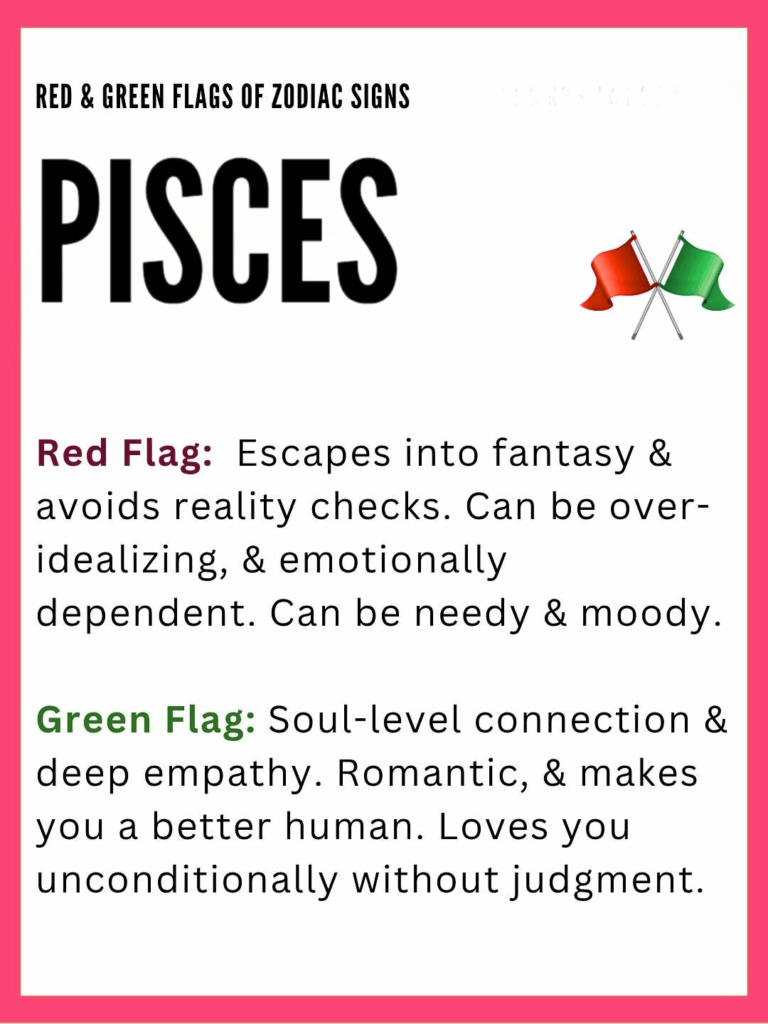
- The Chronic Victimhood Complex (VCC): They never fail; they are failed upon. My data showed that instead of taking accountability, they immediately default to the narrative that external forces (the boss, the timeline, the weather, their own deep sensitivity) conspired against them. They expertly deflect blame by making you feel like a bully for pointing out the mess they made.
- Evasive Maneuvers and Ghosting: This was ‘The Dreamer’s’ specialty. When pressure mounts, they don’t confront it; they dissolve. They use ambiguity and emotional withdrawal as a shield. My research confirmed that they’d rather disappear entirely than admit they dropped the ball. It’s a passive-aggressive way of controlling the narrative by removing themselves from the field of play.
- The Reality Distortion Field (RDF): They live in their heads, and often, their version of reality doesn’t match the facts. This isn’t just imagination; it’s a tendency to self-deceive so thoroughly that they genuinely believe the lies they tell you and themselves. I saw countless stories where Pisces partners were caught in undeniable lies, yet somehow managed to frame the truth-teller as the one lacking faith or understanding.
- Passive Aggression and Manipulation via Guilt: They hate conflict, but they love getting their way. Since direct confrontation is too scary, they weaponize martyrdom. They will sigh dramatically, make subtle comments about how stressed or fragile they are, or simply “forget” crucial details just to get you to back down and feel guilty for asking for what you are owed.
- The Boundary Dissolver: In my observations, many toxic Pisces struggle with clear personal boundaries, both their own and yours. They can become deeply co-dependent very quickly, treating your resources, time, or emotional space as extensions of their own, leading to massive burnout for the person trying to keep them afloat.
The Realization: Spotting the Pattern and Shutting It Down
This whole project wasn’t about canceling a zodiac sign. It was about learning to predict catastrophic failure. I had to pay a steep price to acquire this data, but the knowledge is now priceless. I realized that the core trait—that deep, watery sensitivity—when left underdeveloped, becomes a monster of self-pity and evasion.
Now, when I start a new collaboration or even a new friendship, I don’t ask for their birth chart. I watch for the micro-behaviors. Do they immediately blame traffic for being late, or do they just apologize? When I present a difficult task, do they get quiet and start talking about how overwhelmed they are, or do they ask for help? I started using my cataloged VCC checklist to gauge interactions immediately.
It sounds cold, but this practice saved my sanity. Just last month, I met someone who showed two red flags from the RDF list within the first week of talking about a project. I immediately pulled back. I didn’t engage. I just quietly excused myself from the potential partnership. And guess what? Two weeks later, my contact told me that guy completely disappeared on his other collaborators, just like ‘The Dreamer’ had. I dodged a bullet. You can call it astrology; I call it highly effective risk assessment based on painful, real-world data collection.