
The Mess That Needed the King
Listen, before I even talk about the King of Cups, let me tell you about the hell I had to wade through this morning in my shared workspace. You know how it is—two different people, two different styles, zero grace, and the tension just hangs in the air like a thick, dirty blanket. This wasn’t some minor passive-aggressive stuff; this was John and Sarah practically having a full-blown trademark dispute over who controlled the main coffee machine schedule. Seriously. It was petty, loud, and it was messing up everyone’s day, including mine.
Normally, I’m the guy who just puts on big headphones and tunes out the world. I don’t get involved. But this morning, I couldn’t ignore it. They were yelling, then slamming doors, then giving each other that death stare across the room. It was exhausting just sitting there, and I had a giant pile of client work I needed to get through.
Grabbing the King’s Cup: The Decision to Act
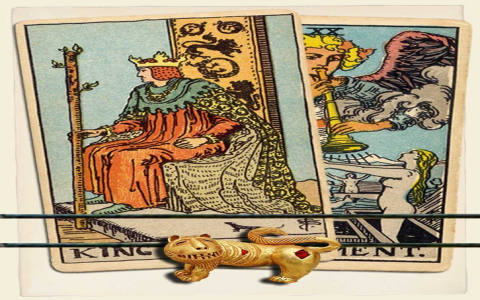
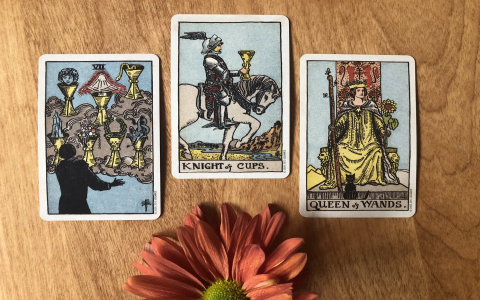
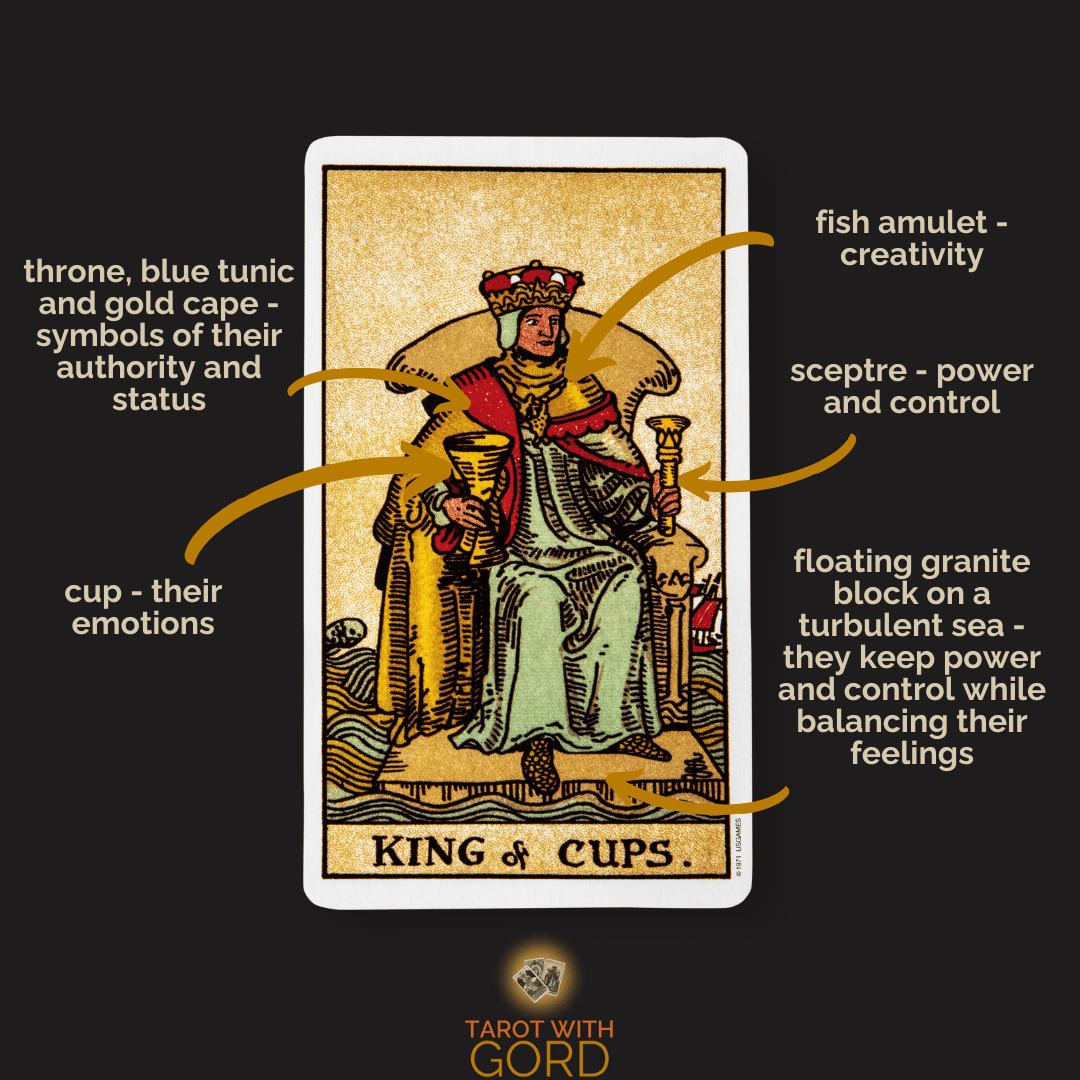
I realized I had a choice: be the grumpy Hermit and hide, or actually pull out that King of Cups energy and do something about this disaster. And I mean do something as an action, not just a feeling. The King isn’t calm because he’s ignoring the chaos; he’s calm because he’s choosing not to react to it. That was my target. I pulled back from my initial frustration. I forced my body to physically relax in my chair, even though my insides were screaming for me to leave. I had to get centered before I could even open my mouth.
It sounds cheesy, but I literally had to sit there for five minutes, telling myself: “You are not John. You are not Sarah. Their mess is not your mess, but you can be the bridge.” That was the moment I stepped into that KOC frame of mind—not as a psychic reader, but as the steady, diplomatic leader the room desperately needed. It was an intentional, physical act of choosing stability.
The Diplomatic Dance: How I Processed the Chaos
I knew I couldn’t just walk over and tell them to “be nice.” That never works. The King of Cups is about listening and understanding the emotional truth behind the noise. So, I separated the fighting factions. This process took about two hours, and it was hard, messy work.
- I approached John first. I didn’t blame him. I just casually asked him what was really going on, leaning in, making it clear I was only listening. He instantly started to rant about Sarah being disorganized and disrespectful. But as he spoke, I zeroed in on the emotional undercurrent: he felt ignored and disrespected. I didn’t interrupt. I just nodded and absorbed his hurt. I used the King’s active compassion to hold space for his ego flare-up.
- Next, I went to Sarah. She was already defensive and tense. I told her (in a simple, conversational way, not a bossy way) that John was having a bad day and that the tension was making it tough for everyone. I didn’t mention John’s complaints. I just listened to her side, which was all about being overwhelmed, feeling rushed, and not having enough control over her own schedule. I processed her frantic pace and realized her anger was just panic wearing a bad attitude costume.
I held both stories in my head. They weren’t fighting over coffee; they were fighting over respect and control. The King of Cups isn’t just about controlling your own emotions; it’s about being stable enough to understand other people’s messy emotions without getting dragged into the swamp yourself. It’s the ultimate boundary action.
The Truce and the Realization
My final action was simple: I framed the solution around their needs, not the coffee machine. I suggested a new system, not as a rule, but as a “respect tool.”
- For John: I acknowledged his need for respect and told him the new system would ensure everyone knew his work was important.
- For Sarah: I validated her feeling of being rushed and emphasized that the new system would actually give her more control over her time.
I didn’t fix the problem; I just created a temporary truce and shifted their focus from attacking each other to solving a common problem, and I did it without raising my voice or even sounding like I cared too much. That’s the trick, right? Being passionate about peace without becoming emotionally involved in the fight.
This whole thing was exhausting. It wasn’t some magical, chill Tarot moment. It was sweaty, hard work being emotionally present and stable. That King of Cups energy is a verb. It’s not just sitting on a throne looking wise; it’s getting off the throne, wading into the mess, and actively showing the people around you what mature balance looks like. And that, my friends, is how you apply that balanced energy today: you show up, you listen more than you talk, and you refuse to react to the noise. It works, but man, you have to earn it every single time.