
Man, figuring myself out used to be such a mess. For the longest time, I knew I was a Pisces. Everyone said, “Oh, you’re a dreamer,” or “So sensitive!” and yeah, that felt right, but it didn’t really tell me why I did what I did, or why some things just hit me harder than others. It was like I had this label, but no real instructions manual for it. I just floated through life, feeling things intensely, sometimes losing myself in my own head, and honestly, wondering if I was just broken sometimes.
Then, one day, I stumbled onto this MBTI thing. I saw it pop up on a forum I frequented, someone talking about their “INFJ” type. My first thought was, “What the heck is that?” But then I saw people really digging into it, explaining how it helped them understand themselves. Curiosity got the better of me. I figured, why not? Maybe this was the missing piece to my big Pisces puzzle.
So, I went online, found a free test – yeah, I know, probably not the official one, but hey, I was just starting out! I answered all those weird questions, you know, about how I react to parties, or if I plan everything, or if I go with my gut. When the results popped up, it said INFP. I stared at it. INFP. What even was that? I clicked around, started reading, and man, it was like someone finally put words to all those fuzzy feelings I had inside. It talked about being idealistic, valuing authenticity, having a rich inner world, and being driven by values. That sounded a whole lot like my Pisces self, but with more detail, more structure.
My first reaction was pure relief. It wasn’t just “dreamy” – it was “driven by an internal moral compass and deep ideals.” It wasn’t just “sensitive” – it was “highly empathetic, often absorbing the emotions of others, and needing time to process.” I started seeing how my natural Piscean intuition, that gut feeling about people and situations, actually tied into the INFP’s strong Introverted Feeling (Fi) and Extroverted Intuition (Ne) functions. It wasn’t just random magic; there was a framework to it.
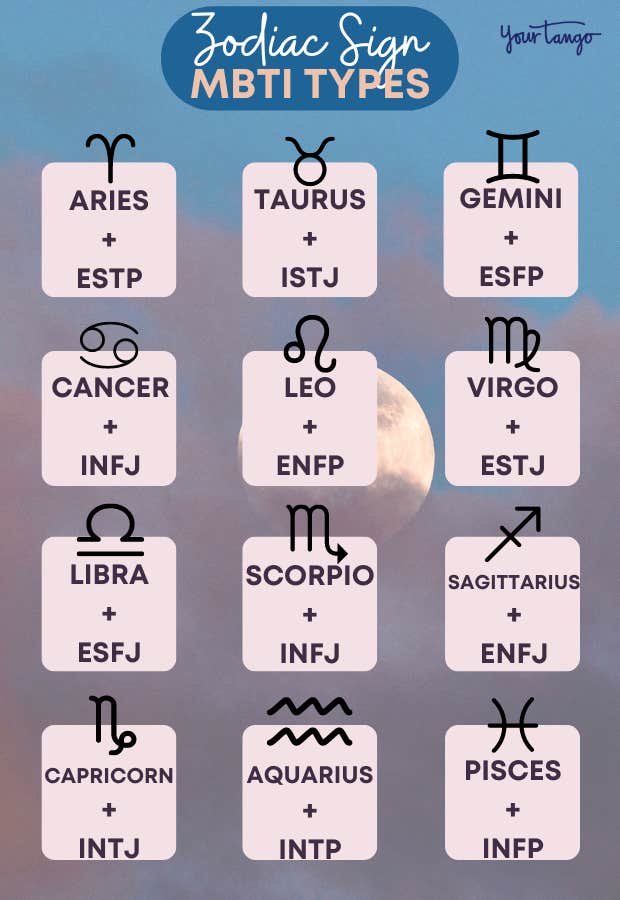
I started digging deeper. I read every article I could find about INFPs. I joined online groups, listened to podcasts. And while I was doing that, I kept my Pisces traits in mind. I began to see where they overlapped and where one might color the other. For instance, a common Pisces trait is being adaptable, sometimes to a fault, even becoming a bit of a chameleon. My INFP side, with its dominant Fi, meant I had really strong core values. This clash was interesting. It meant I could adapt, but if something went against my core values, my INFP side would kick in, and I’d put my foot down, hard. Before, I might have just felt vaguely uncomfortable or just gone along with it, but now I knew why that internal conflict was happening.
Here’s how this understanding really started to click for me and change things:
- Understanding My Need for Alone Time: As a Pisces, I always felt the need to retreat, to recharge. The INFP explanation validated this as my introverted side needing to process things internally, away from external stimulation. It wasn’t just being anti-social; it was essential self-care.
- Processing Emotions: Pisces are known for feeling everything. The INFP framework helped me understand that my intense emotional world was a feature, not a bug. It taught me how my Fi function meant I felt emotions deeply and needed time to sit with them, rather than just brushing them off.
- Creative Outlets: Both Pisces and INFPs are often drawn to creative expression. Learning about the INFP’s Extroverted Intuition (Ne) helped me see why I loved exploring different ideas and possibilities, always seeing potential in abstract concepts, which flowed perfectly with my Piscean artistic leanings.
- Setting Boundaries: This was a big one. Pisces can struggle with boundaries because of their empathetic nature. My INFP understanding helped me realize that while empathy is a strength, my strong internal values (Fi) meant I needed to protect my energy and stand up for what felt right to me, even if it meant saying no to someone I cared about. It wasn’t selfish; it was about maintaining my integrity.
I started paying attention to how I reacted in different situations. If someone was upset, my Pisces empathy would immediately kick in, wanting to soothe them, to feel what they felt. But my INFP side would then filter it through my own values. Was this person truly in need, or just manipulating? This internal dialogue became clearer, and it made me feel less like a doormat and more like someone making conscious choices.
Even at work, this helped. I found myself drawn to tasks that had a purpose, that resonated with my personal values. If a project felt meaningless or unethical, my motivation would just tank, which I used to just blame on being a “lazy Pisces.” But now I understood it was my INFP needing that deeper connection, that sense of contributing to something good. This realization allowed me to advocate for myself, to seek out roles and projects that actually fueled me instead of draining me.
It’s still a journey, you know? I’m still learning, still noticing new things about myself. But combining my understanding of being a Pisces with the detailed map of my INFP personality type has been a game-changer. It’s given me a way to talk about myself, to understand my own quirks, and to embrace who I am, not just float along with a vague idea of it. If you’re out there, a Pisces trying to make sense of your own beautiful, chaotic inner world, I can tell you, diving into the MBTI might just be the best thing you ever do for yourself. It certainly was for me.