So, you wanna know about this Tarot card destiny calculator thing, huh? Man, let me tell you, this whole journey of figuring out my own destiny card was a trip. I’ve always been one of those people who’s a bit curious about what makes us tick, you know? Like, why are some folks naturally drawn to certain things, and others just… aren’t? It all started with me messing around with numerology, just for kicks, really.
I remember just sitting there one rainy afternoon, scrolling through some random online articles. I stumbled upon something that talked about how your birthday can link to Major Arcana cards in Tarot. My first thought was, “No way, that’s kinda wild, but also kinda cool.” I’ve seen Tarot cards around, like, in movies and stuff, but never really dove into ’em. The idea that my birthdate, just a bunch of numbers, could point to a specific card that supposedly tells me something about my ‘destiny’ or ‘life path’ kinda hooked me in.
Diving into the Rabbit Hole
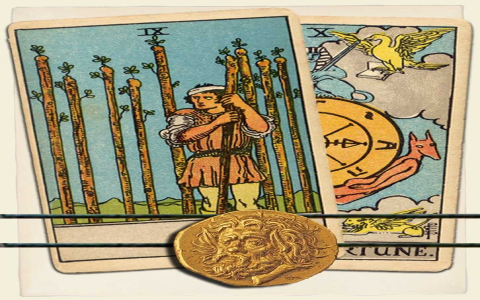
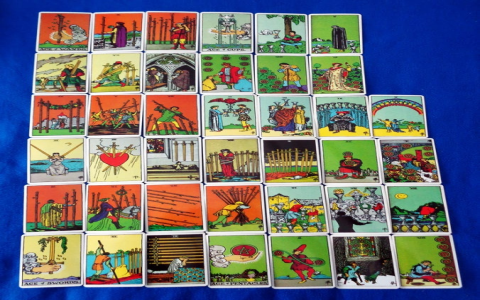
I started digging. Not just a casual Google search, nope. I went full-on detective mode. First off, I had to understand what these “Major Arcana” cards even were. Turns out, there are 22 of ’em, usually numbered 0 to 21, and they represent big, overarching themes and life lessons, unlike the Minor Arcana, which are more about day-to-day stuff.
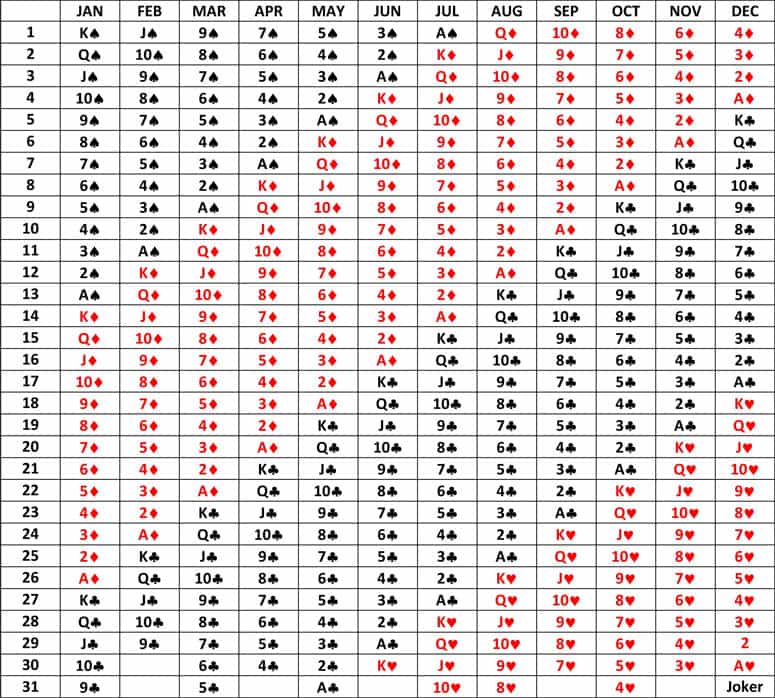
Then came the real crunch: how do you even calculate this thing? I found a few different methods, which was a bit confusing at first, but they all generally lead to the same result, which was reassuring.
- Step One: Grab Your Birthday. Mine’s pretty straightforward, so I wrote it down: Month, Day, Full Year.
- Step Two: Add ‘Em Up. This is where the simple math comes in. You take each digit of your birth date and add them all together. For example, if your birthday is March 15, 1990, you’d do 3 + 1 + 5 + 1 + 9 + 9 + 0.
- Step Three: Reduce to a Major Arcana Number. Now, this is crucial. Once you get that big sum, you gotta reduce it. If your sum is a two-digit number, you add those two digits together. You keep doing this until you get a number between 1 and 22. For example, if my sum was 28, I’d do 2 + 8 = 10. That ’10’ would be my first number.
- Step Four: Find Your Second Card (Sometimes Three!). Most people end up with two cards, sometimes even three. If your first number is a two-digit number, you then reduce that number down to a single digit to get your second card. For example, my 10 would become 1 + 0 = 1. So, my cards would be 10 and 1. There are some exceptions, like if you hit 19, you might get three cards.
I basically did this by hand a bunch of times, writing it all out on a pad. It felt a bit like being back in school, but way more fun ’cause it was about me. Once I nailed the process, I thought, “This is kinda cool. What if I make it easier?”
Building My Own Little Tool
Initially, I just made a quick spreadsheet. Super basic. Columns for month, day, year, then a formula to add it all up, and another one to reduce it. It worked, but it wasn’t exactly ‘sexy.’ I mean, it was just for me, but still. I wanted something I could share with friends, or just, you know, look at without squinting at Excel cells.
So, I started poking around with some simple coding stuff I remembered from way back. Nothing fancy, just some basic JavaScript and HTML. I figured out how to create input fields for the birthday and then wrote a few lines of code to do all those addition and reduction steps automatically. It wasn’t perfect, trust me. I probably spent an entire weekend just debugging tiny little errors, like getting the numbers to add up right, or making sure it handled single-digit results correctly. The Major Arcana actually starts at 0, with The Fool, but for calculations, it’s usually 1-22. So I had to make sure my numbers mapped correctly to the right card.
The biggest hurdle was making sure the reduction logic was tight. Sometimes you get a number that reduces directly, sometimes it’s a two-step deal. Like 28 reduces to 10, then to 1. Or 19 reduces to 10, then to 1, giving you three cards (19, 10, 1) – The Sun, Wheel of Fortune, and The Magician. Getting those edge cases right was a real head-scratcher. I kept testing it with different birthdays I knew, like my mom’s, my brother’s, my friend’s. I even looked up some celebrity birthdays to double-check my calculations against other online calculators (just to make sure I wasn’t totally off the mark). After a lot of tweaking, it finally started spitting out the correct cards consistently.
What I Got Out Of It
Seeing my own destiny cards pop up, and then actually reading what they represented, was pretty wild. It wasn’t some magic revelation, but more like a gentle nudge or a confirmation of things I already kinda felt about myself. Like, “Oh, so that’s why I tend to do that,” or “Yeah, that challenge definitely sounds familiar.” The descriptions for each Major Arcana card are really insightful, talking about strengths, challenges, and life paths.
It was never about predicting the future or anything that crazy. For me, it was more about gaining a different perspective on my innate tendencies and potential. It’s like a little secret map for understanding yourself better. And the process of building that simple calculator? That was a whole lesson in itself, taking an abstract idea and turning it into something tangible. It felt good, man, real good, to go from just being curious to actually building something that helped me and later, my friends, easily find our own destiny cards. It’s funny how a simple math problem can lead you down such an interesting path of self-discovery.