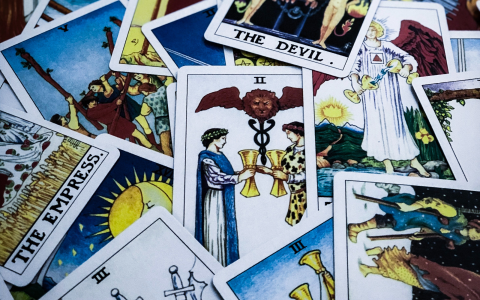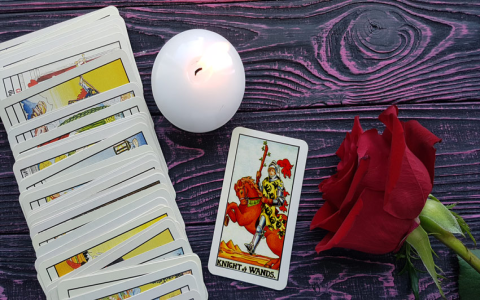

Man, let me tell you, I used to be absolutely terrible at asking the Tarot for advice. Seriously, I just didn’t get it. I’d sit there with my deck, staring at these shiny pictures, asking the dumbest questions, and guess what? I got dumb answers back. It was like talking to a brick wall, except the brick wall had pictures of swords and cups. I’d be facing some big decision, right, like a fork in the road, and I’d just lay out cards and mumble something vague like, “What should I do?” or “Is this a good idea?”
And then I’d stare at the cards, trying to force them to tell me a definitive “yes” or “no.” It was a total mess. I remember this one time, I was wrestling with whether to take a new freelance gig or stick with my steady, but kinda boring, contract. I pulled a bunch of cards, and they just looked… ambiguous. I saw a Tower, which freaked me out, but then a Star, which seemed hopeful. So I went back and forth, making myself crazy, overthinking every single detail the cards might mean. I ended up just going with my gut, which honestly, I probably would have done anyway, and the whole Tarot session felt like a waste of time. I actually got pretty annoyed with the whole thing, figuring it was just for fun, not for real life stuff.
It was frustrating as hell, seeing other folks talk about how the cards gave them clarity, and I was just sitting there getting more confused. I almost packed my deck away for good. Then, one afternoon, I was rummaging through some old books a friend gave me, and I stumbled onto this tiny, battered pamphlet, written by some old-timer, just a few pages, really. It talked about how the cards aren’t there to make your decisions for you. It said they’re a mirror, showing you what’s going on inside, and what pathways are opening or closing because of your own actions and thoughts. That hit me like a ton of bricks. It wasn’t the cards being moody; it was me asking like an idiot, asking them to predict a future instead of asking them to help me build one.
That little pamphlet made me rethink everything. I started treating my Tarot sessions less like fortune-telling and more like a brainstorming session with a very wise, very quiet friend. I started experimenting. Instead of “Will I get the promotion?”, I started asking: “What inner blockages are preventing me from pursuing this promotion more aggressively?” or “What actions can I take right now to improve my standing for this opportunity?” It felt clunky at first, like trying to learn a new language. But the answers… oh man, the answers started to change.
Shifting My Approach: From Vague to Actionable
My whole process started to morph. I realized the key was putting myself, my actions, and my choices right in the center of the question. Here’s how I started to break it down:
- No More Yes/No: I completely ditched questions that could only be answered with a “yes” or “no.” Those just led to more confusion.
- Focus on “What” and “How”: I moved to questions like “What do I need to understand about this situation?” or “How can I best navigate this challenge?” These forced the cards (and me) to give me some actual, usable info.
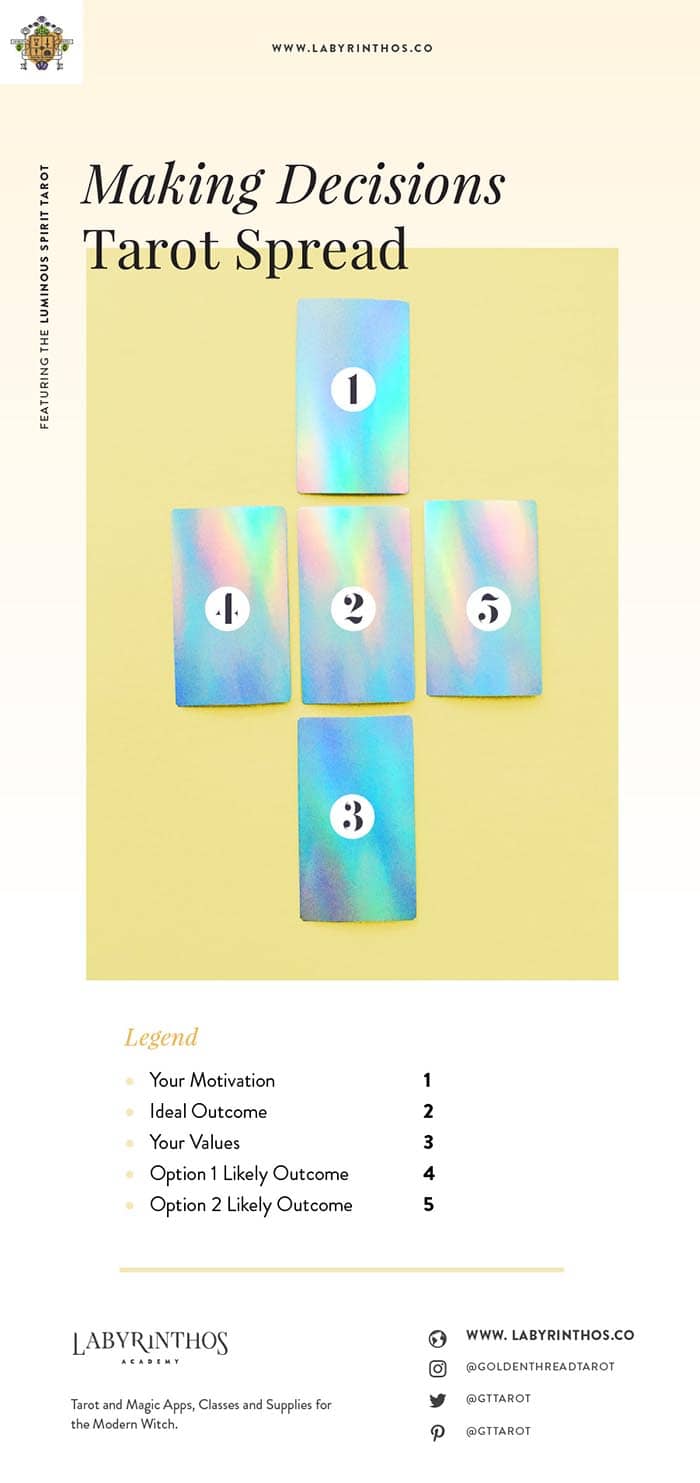
- Break Down Big Decisions: Instead of asking about the whole darn decision, I started breaking it into smaller pieces. If I was deciding between two job offers, I wouldn’t ask, “Which job should I take?” I’d ask separate questions:
- “What are the unseen challenges if I take Job A?”
- “What strengths do I need to bring to the table to succeed in Job B?”
- “What aspects of my current self might hold me back if I pursue Job A?”
- “What would be the emotional impact of choosing Job B a year from now?”
- Look for Internal Guidance: I started asking things like, “What subconscious fears are influencing my hesitation?” or “What untapped potential within me can I bring to this decision?” This was huge. It shifted the focus from external forces to my own power.
- Identify Obstacles and Opportunities: “What is currently blocking my path forward in this project?” or “What unexpected opportunities might arise if I commit to this direction?” These types of questions got me looking for practical things I could address or leverage.
It wasn’t just about the wording, though. It was the mindset behind it. I stopped looking for predictions and started looking for insights. I stopped trying to escape responsibility for my choices and started using the cards to help me take better responsibility. This wasn’t about the cards telling me what to do; it was about them helping me see myself, my motivations, and the potential outcomes of my own choices more clearly.
Now, when I’m facing a crossroads, I don’t feel that panic anymore. I grab my deck, and I ask it smart questions. Questions that empower me, questions that give me real things to think about and real actions to take. It’s not magic; it’s just a damn good tool for self-reflection and strategic thinking. And it actually works now, for real decisions, not just for messing around on a rainy afternoon.