Man, for the longest time, I just bought into the whole story about addiction. You know the drill, right? It was about willpower, about bad choices, about these terrible substances grabbing hold of you and never letting go. I saw folks around me, some friends, some just people I knew, getting stuck in loops they couldn’t break. And honestly, my first thought was always, “Just stop. Why can’t they just make a different choice?” It felt simple from the outside, like an obvious problem with an obvious solution that they just weren’t taking.
I carried that belief for years, maybe even decades. It felt logical. If something’s hurting you, you stop doing it. If someone’s selling something bad, they’re the problem. If you get caught up in it, well, you made the wrong move. That’s how I figured it all worked. Addiction was this dark shadow, a personal failure, or maybe just a tragic disease that randomly picked people off.
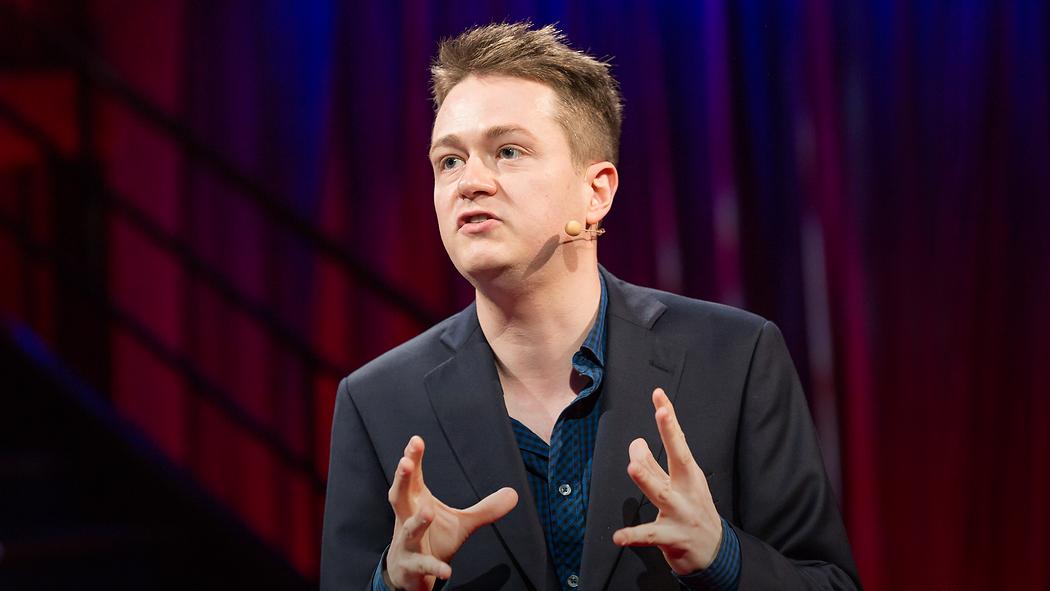
Then something happened that really started to mess with that simple picture. I stumbled across this online talk, almost by accident. Someone was just talking about how we’ve got it all wrong. My first reaction was, “No way. That can’t be true.” But the speaker, they just kept talking, and the way they put things, it just started to click in a weird way. They were saying it wasn’t about the substance itself being the ultimate villain. It was about something deeper, something about our lives, our connections, or lack thereof.
That talk just planted a seed, you know? It made me curious, made me want to dig a bit. So I started hunting around online, just poking at whatever articles or videos I could find that touched on this idea. I wasn’t looking for academic papers or anything fancy, just people talking, sharing stories, explaining things in plain language. I watched a bunch of documentaries, listened to podcasts where folks who’d been through it shared their journeys. I even started paying more attention to how people around me were really living, not just what they said on the surface.
What I started piecing together from all this digging really pulled the rug out from under my old beliefs. The core idea that kept popping up was that addiction isn’t primarily about the chemical hook. It’s about a human hook. It’s about pain, isolation, and a lack of connection. When people are feeling lost, alone, like their life doesn’t have much meaning or joy, they reach for something, anything, to dull that ache. The substance, or the gambling, or whatever it is, becomes a way to cope, a false sense of comfort or escape.
I started thinking about those old experiments with rats, the ones where they put them in a tiny cage all alone with two water bottles – one plain, one drugged. And the rats, they’d always go for the drugged water, right? Get hooked and die. That’s the story we all heard. But then I saw someone talking about a different version of that experiment, where they put the rats in a “rat park.” A big cage, with lots of other rats, toys, tunnels, things to do, and both water bottles. And guess what? Most of those rats didn’t touch the drugged water. They chose connection, play, a full life.
That image, those park rats, it really resonated with me. It made so much sense when I thought about the people I knew who had struggled. It wasn’t that they were inherently weak. It was that their lives had become, for whatever reason, like those isolated cages. They were dealing with trauma, with loneliness, with feelings of worthlessness, or just immense pressure. They were looking for a way out, a way to feel better, even for a little while.
So, my whole perspective just flipped. I stopped seeing addiction as some kind of moral failing and started seeing it as a symptom. A symptom of deeper issues, of a disconnect, of unmet needs. It wasn’t about judging the person for their choice; it was about understanding the conditions that led them to that choice. It shifted my focus from just telling people to “stop” to asking, “What’s going on in your life? How are you feeling? Do you have people around you who care?”
This whole journey, this rethinking, it changed how I interact with people too. When I hear about someone struggling now, I don’t jump to conclusions or judgment. Instead, I try to listen more, to offer support, to think about how we can build more connection, more community. It’s not a quick fix, of course, but it feels like a much more human, and frankly, more hopeful way of looking at a really tough problem.