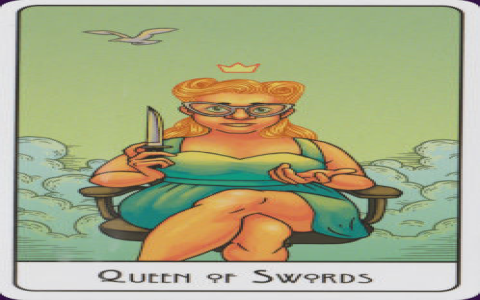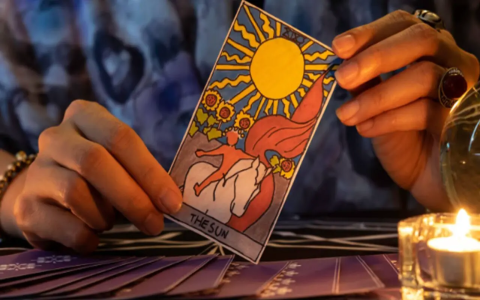
Man, lemme tell you, getting into tarot on my own, like, really figuring it out for myself, was a whole journey. It wasn’t like I just woke up one day and was a tarot master, nah. This thing started kinda accidentally, really. I remember seeing these fancy decks online, all pretty art and stuff, and thinking, “What even is that?” I was always a bit of a curious cat, you know? Always poking around things that seemed a bit… off the beaten path.
So, I picked up my first deck. Nothing fancy, just a basic one. And when it arrived, I opened it up, laid out the cards, and honest to goodness, I had no clue what I was looking at. Like, zero. It was just a bunch of pictures. The little booklet that came with it was, frankly, useless. It gave me these tiny, one-liner descriptions, and I’d read them and still be like, “Okay, but what does that mean for me? For my life?” It was all so vague. That’s when I realized, alright, if I wanna get anything out of this, I gotta build it from the ground up myself.
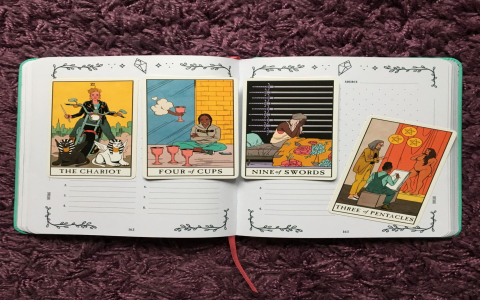
My first move was just to handle the cards, really feel them out. I’d shuffle them, cut them, just get used to the weight and the texture. It sounds dumb, but it felt important. Like I was introducing myself to them, and them to me. Then, I tackled the most basic, foundational bit: learning what each card supposedly “meant.” I didn’t wanna just memorize a book. That felt boring and kinda… not right. So, I grabbed some old notebooks, chunky ones, and I started pulling one card every single morning. Just one. And I’d write down:
- What did the picture itself tell me? Without looking up any meanings, what was the first vibe I got?
- What colors did I see? What were the people doing? Were they happy? Sad? Fighting?
- What did that make me feel?
I did this for ages. Like, weeks, maybe even a couple of months. Just one card a day, writing down my gut reactions. It was slow going, I’m not gonna lie. Sometimes I’d get the same card again, and I’d notice my feelings about it had shifted. It was wild. I was slowly, without even realizing it, building my own personal dictionary for these cards. That was skill number one, for sure: connecting my own thoughts to the imagery.
Once I felt like I kinda knew the major players, at least the big picture stuff, I moved onto actually using them. This is where learning spreads came in. Forget those super complex ones with like, ten or twelve cards. I started with the simplest thing you can imagine: a three-card spread. Past, Present, Future. So simple, so obvious, right? But it was a game-changer. I’d ask a question, shuffle, pull three, and then force myself to interpret them based on my notes, based on my gut, in that order.
It was messy. A lot of times, I’d pull cards and think, “This makes absolutely no sense.” But I wouldn’t give up. I’d stare at them, try to find a story. “Okay, this card is about struggle. This one is about making a choice. This one is about celebration. How do these three things connect across time for my question?” That forced me to weave a narrative, to see patterns instead of just isolated meanings. That was another huge skill: storytelling with the cards.
After a while, I got bolder. I started asking more specific questions. Not just “What will happen tomorrow?” but “What do I need to know about this situation at work?” or “What’s holding me back from trying that new hobby?” The more focused my questions, the more focused my interpretations became. I learned that the question you ask is just as important as the cards you pull. If your question is vague, your answer will be vague.
I also learned about trusting my intuition. This was probably the hardest part, honestly. You read enough stuff, you hear enough people talk about tarot, and you start to doubt your own first thoughts. You start looking for the “right” answer. But with DIY tarot, there is no “right” answer outside of what resonates with you. So, I had to practice shutting out all the noise and just letting my gut speak. If a card felt like hope, even if some book said it was about endings, for my reading, it was hope. Period.
I’d pull a card, think something, and then immediately dismiss it because it didn’t fit some preconceived idea. Then I’d have to go back and be like, “No, wait. That first thought, that flicker, that’s probably it.” It took conscious effort to lean into those initial feelings. And that’s really what DIY tarot became for me: a tool to connect with my own inner wisdom, rather than some external source. It wasn’t about predicting the future, but about understanding the present and potential paths. It’s all about getting your own answers, for yourself, by yourself.