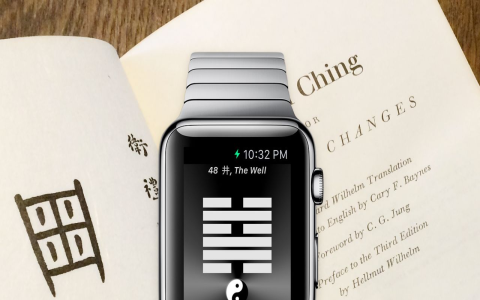

I spent years with that book, the I Ching. I mean, flipping pages, staring at the lines. Asking a simple question and getting back a whole damn history lesson. It was driving me nuts. Too much noise, you know? Six lines, two separate hexagrams, sometimes the whole damn thing felt like a philosophical seminar when all I needed was a yes or a no, or at least a clear direction. I was burnt out on the complexity.
I felt like a chump, honestly. I was using one of the oldest advice systems in the world, and I was just getting more confused. Every book I read said to consider the Judgment, then the Image, then the individual lines, then the resulting hexagram. That’s four different chunks of advice for one simple toss of the coins. It was impossible to put into practice when my life was moving fast. I needed something simple, something direct that I could actually use when the pressure was on. That’s when I decided I needed to stop chewing the whole meal and just go for the meat, for the core action item.
The Pivot to Action Lines
I stopped listening to the big picture stuff right away. I got a clean spiral notebook, the cheap kind, and I just started tracking every single time I got a changing line. Not the stable ones. Just the movers. The ones that had the little ‘X’ or the ‘O’ next to them, the ones that actually make the hexagram shift. I figured if the old timers bothered to mark them special, those were the ones doing the heavy lifting.
I started treating the entire hexagram text—the Image, the Judgment, the full hexagram name—as just background music, useful only if nothing changed. If there was a change line, that was the boss. That was the only thing I was going to pay attention to that day. I’d toss the coins and immediately skip to the line position that was active. If it was Line 4 moving, I ignored Lines 1, 2, 3, 5, and 6. It was a massive simplification, and honestly, it felt like cheating, but it started working like a charm. It cut out all the wishy-washy philosophy and left me with a single sentence to chew on.
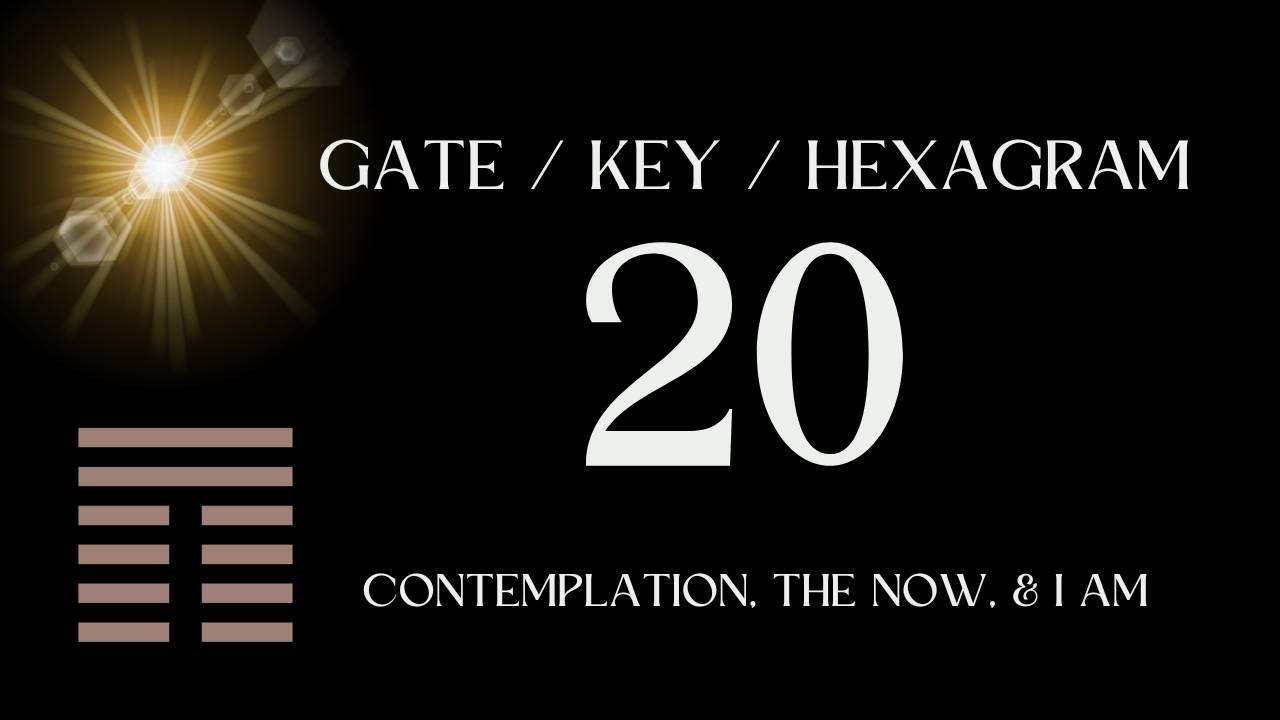
The ‘Rule of Twenty’ Emerges from the Grind
After a few months of this rigid, single-line focus, a pattern hit me like a damn truck. It wasn’t just any change line that mattered most. It was the ones in the second and fifth positions, and only when they were part of a specific setup. These two spots, man, they were always the most direct, the most brutal, the most actionable advice. They told me what my body needed to do and who I needed to talk to.
I called it my ‘Rule of Twenty’—it was my own shorthand for those pivotal spots that represent the core action and the highest position of influence. I started prioritizing them. If I got a line two change, I dropped everything and focused on that instruction because it dealt with my immediate standing, my ground-level stability. If I got a line five change, I knew I was at the peak of the situation, the ruling position, and that line was telling me how to lead or how to execute the plan. It was like finally figuring out the secret code, and everything else was just filler.
Tracking the Daily Mess and the Payoff:
- Every morning, same time, I’d throw the coins. Never asked a deep question, just “What’s the energy today?”
- I wrote the resulting hexagram number, and I only wrote down the text for the specific active line. Ignored the rest.
- I carried the notebook and the text snippet with me all day. I chewed on it. If it said something like “The Yellow Shirt,” I looked for the yellow shirt. I made it literal, stupid literal, just to keep the focus tight.
- When something bad or confusing happened, I flipped back and checked if it matched the change line text I had written that morning. Nine times out of ten, it was a bullseye.
The Time It Saved My Butt
This focused method wasn’t just mental exercise. It saved my damn tail one time. I had this absolute nightmare neighbor, the kind who thinks his property line moves based on his mood. He started getting aggressive about some junk I had near the fence, total BS. I was about to call the cops, get into a messy, legal thing that would cost me money and sanity.
I tossed the coins on the question, “How do I handle this boundary conflict?” I got Hexagram 6, Conflict, which is never a good sign, but the only change was the second line. Man, that text basically said something like, “Return from the battlefield, retreat to safety.” It didn’t mean flee or give up my claim. It meant don’t engage in the messy middle ground. I stopped trying to argue the property line with him. I just quietly, without saying a word, moved my stuff one foot back onto my side of the line and put up a small, temporary rope barrier right there. No argument. No phone calls. The neighbor stood out there for two days looking confused, realized I hadn’t given him the fight he wanted, and he shut up. That focus on line two told me exactly what action to take: withdraw the target, don’t escalate the conflict. Any other approach would have dragged me into court.
That’s the key, right? Most of the time, the universe isn’t giving you a whole new rule book. It’s just telling you which chapter to read right now. Getting straight to those change lines, especially those deep pivotal ones, it cut out all the philosophical fluff. It turned the I Ching from a book of ancient wisdom into a plain old instruction manual. It made it useful again. I didn’t need the whole scroll; I just needed the damn Post-it note. And that’s how I practice it every day.