
Man, I remember this one time, maybe a couple years back, we were deep in the weeds on that new customer dashboard rollout. It was a big deal, a real cornerstone project, and the pressure was on. Everyone had their own idea of how it should go, especially when it came to the actual launch strategy.
Me and Mark, my colleague, we just couldn’t see eye to eye. He was pushing for this big-bang, all-at-once release, saying it’d be cleaner, make a bigger splash, and keep the dev cycle tighter. I was dead set on a phased approach, smaller chunks, less risk, easier to iterate if something went sideways, you know? My gut told me his way was a recipe for disaster, a huge single point of failure.
We’d go back and forth in meetings, getting nowhere. Argument after argument, it felt like we were just talking past each other. The tension was thick, man, you could cut it with a knife. I was really starting to dig my heels in, ready to just flat-out refuse his ideas, no matter what. Felt like my whole reputation, my whole credibility, was on the line if I let this go his way. I was getting pretty pissed off, to be honest. It wasn’t just about the project anymore; it felt like a personal challenge.
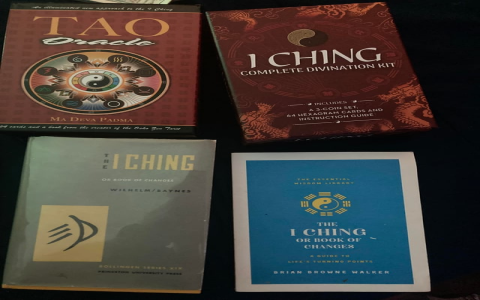
One evening, I was just fuming, sitting on the couch after another frustrating day, scrolling through my phone, not really seeing anything. My eyes kind of drifted over to my bookshelf, and there it was—my old I Ching book. Hadn’t touched it in ages, probably since college, but something just clicked. Figured, why not? What’s the harm? At this point, I was desperate enough to try anything that wasn’t another head-banging session with Mark.
So, I pulled out the coins, found a quiet spot, and just took a few deep breaths. Did the whole ritual, you know, clearing my mind, really focusing on the situation. I asked the question, as clear as I could make it: “How do I handle this mess with Mark over the dashboard launch? What’s the wise path through this conflict?”
I tossed the coins, six times, carefully marking down the lines. And boom. The result? Hexagram 6. Conflict. Dispute. Man, my first thought was, “No kidding, Sherlock! Tell me something I don’t know.” I almost laughed. It felt so obvious, just stating the damn problem I was already living.
But then I stopped. I slowed down and actually started reading the commentary, really digging into the text. It wasn’t just “you’re in a fight,” it was about how to approach it. The wisdom started to unfold right there. It talked about the danger of pressing a dispute when you don’t have a clear advantage, about seeking a way to step back, to mediate, or even to let things simmer before making a move. It explicitly warned that pursuing a minor dispute to the bitter end, just for the sake of being “right,” often leads to greater trouble and an outcome that leaves everyone worse off. It suggested that sometimes, pushing too hard just makes everything worse, even if you think you’re absolutely correct.
Specifically, it hit me right between the eyes that I was too focused on “winning” the argument. The text was whispering, almost yelling, in my head, “Hey, dude, maybe it’s not about winning, but about finding peace, or at least a workable path forward, without burning bridges or blowing up the whole project.” It pointed directly to the idea of not escalating, not letting pride take over and drive the decisions.
The changing lines, as I interpreted them, even suggested looking at the root of the friction, not just the surface argument. It wasn’t just “Mark wants his way.” Was he genuinely worried about something I hadn’t considered? Was there an underlying fear or past experience driving his insistence? And it nudged me towards understanding that perspective, not just countering it. It also hinted at the value of engaging a neutral third party if things got truly stuck.
So, the next day, armed with this, I went into the office with a completely different mindset. Instead of going in guns blazing again, ready to defend my position, I did something totally unexpected. I went to Mark, not to argue or preach, but to listen. I asked him, genuinely, what his biggest concerns were with my phased approach. What was the real risk he saw? Not just the technical stuff, but the deeper stuff. I consciously held back all my rebuttals.
He was surprised, I could tell. But he started talking. And he shared that he’d been burned before on a phased rollout where the later phases got deprioritized and never launched properly because management lost interest or funding shifted. He was worried about losing momentum, about the whole thing getting stuck in limbo. That was his core fear. Not just wanting to be right, but a real, legitimate concern based on past experience.
And then I shared my fears, calmly, without accusation: blowing up the whole thing on a single big launch, customer backlash, needing a quick rollback plan we wouldn’t have time to properly execute. Stuff like that. We really laid it all out, not as opposing ideas, but as shared anxieties, just coming from different angles and experiences. It completely changed the temperature in the room.
Suddenly, it wasn’t a fight about his way versus my way. It was a shared problem, a complex puzzle we both wanted to solve, just from different starting points. We actually sat down with a whiteboard, stopped trying to win, and started trying to solve it together. We even brought in Sarah from QA to chime in, which was another thing the I Ching kind of nudged me towards—getting a neutral, objective perspective on the practical implications of both ideas. She pointed out some stuff neither of us had fully considered.
We ended up with a hybrid plan. A slightly bigger initial launch than I first wanted, but still phased, with very clear, non-negotiable milestones for subsequent phases, and robust rollback plans built right in for every stage. It satisfied both our core concerns, mitigating the risks we each saw. The rollout went smooth, man. Not a single hitch. And my relationship with Mark? It actually got better. We learned to trust each other’s intentions more, even when we fundamentally disagreed on tactics.
That whole experience really stuck with me. Now, whenever a disagreement starts to feel personal or overwhelming, I catch myself. I think back to Hexagram 6. It’s like a little alarm bell in my head, telling me to step back, to listen deeper, to look for common ground, and sometimes, just to let go of the ego, the need to be “right” all the time. It ain’t about winning an argument; it’s about wisdom, finding a path that works for everyone, or at least, prevents a total train wreck. That old book still has its magic.