
Man, when I first got into tarot, it was a real trip. I’d seen folks doing it, you know, on TV or online, and it always looked kinda mystical, kinda cool. I was at a point in my life, just after college, feeling a bit adrift, honestly. Like, everyone else seemed to have their whole future mapped out, and I was just… staring at a blank wall. A friend mentioned she dabbled in it, and for some reason, that really stuck with me. So, I went and bought my first deck. Just a basic Rider-Waite clone, nothing fancy. Held those cards in my hand, felt a weird buzz, and then… absolute blank. What the heck was I supposed to do with these?
My first instinct, naturally, was just to pull a card. One single card. I shuffled them till my hands hurt, then pulled one out. Stared at it. It was, I don’t know, The Tower or something equally dramatic. My first thought? “Oh great, my life is about to explode.” Total panic. No context, no idea what it meant beyond the basic picture. I did that for a few days, pulling one random card, trying to connect it to my day, and mostly just feeling more confused than enlightened. It was like getting one word of a sentence and trying to guess the whole story. Impossible, right?
Then I tried pulling three. “More is better, right?” I thought. So I pulled three, laid them out. Now I had three mysterious pictures staring back at me. Was it a story? Was it three separate things? My brain just scrambled. I remember trying to force a narrative, like, “Okay, this card is about my job search, this one is about my dating life, and this one is about… my cat?” It was pure chaos. I’d go to bed more stressed than when I started, convinced I was doing it all wrong. It felt like I’d bought a fancy tool but had no instruction manual, just a vague idea of what it was for.
I almost gave up. Seriously, the deck sat on my shelf collecting dust for a good month. I was just too frustrated. But then, I stumbled onto this old forum post, someone talking about “spreads.” My eyes kinda glazed over at first, sounded too complicated. But I read on, and the person was explaining how a spread gives each card a job. A purpose. That was my “aha!” moment. It wasn’t just about how many cards you pull; it was about why you pull them and where you put them.
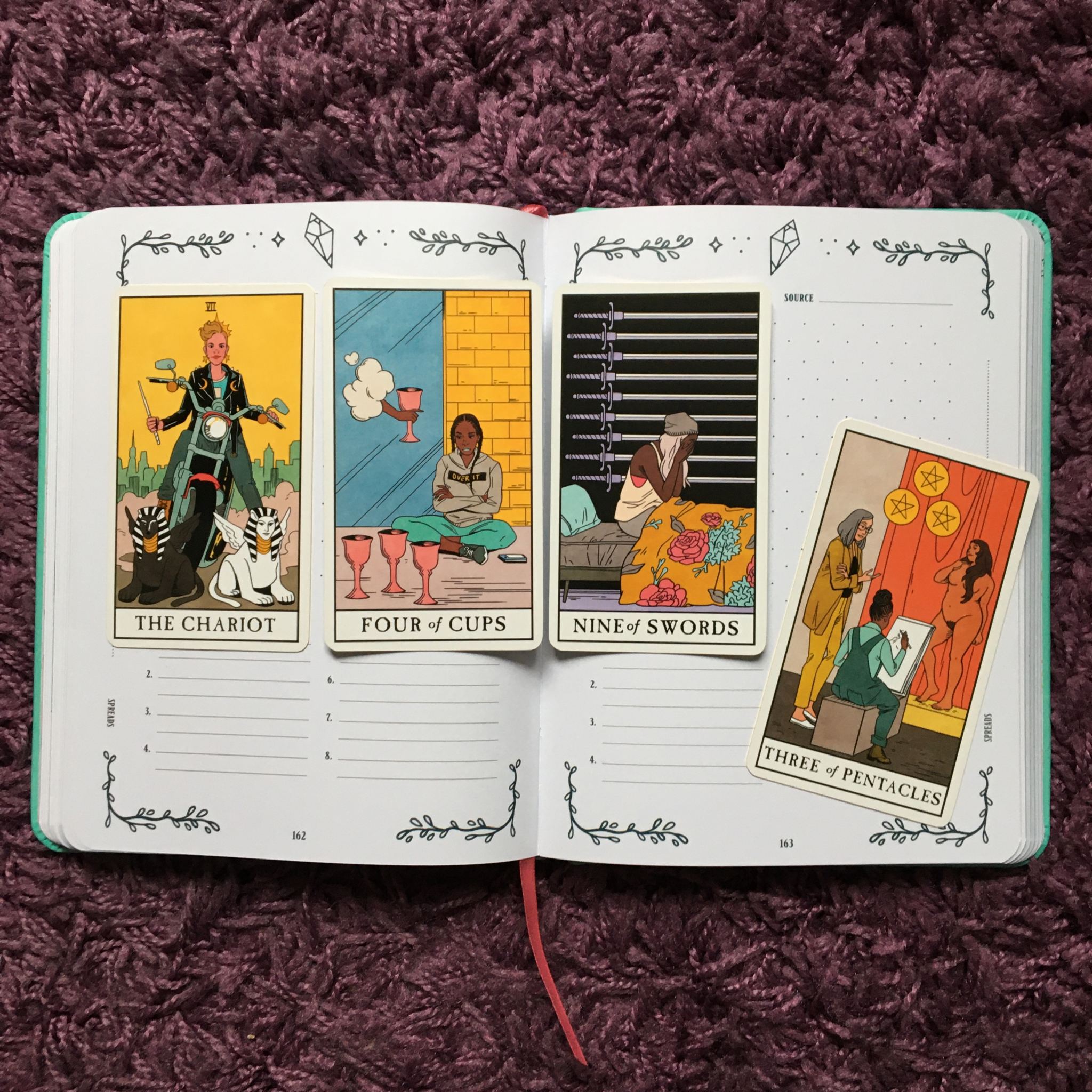
I remember pulling out my dusty deck again, feeling a bit nervous. The first spread I tried was the classic Past, Present, Future. Three cards, but this time, each one had a label. A simple label. I shuffled, really focused on a question that was weighing me down at the time – something about whether I should go back to school or keep looking for a job. I pulled the first card for “Past.” The second for “Present.” The third for “Future.”
- Past: This told me what had led up to my current situation. It was usually a “duh, obvious” moment, but seeing it laid out helped me acknowledge it.
- Present: This was usually the most impactful. It showed me where I was truly standing, sometimes revealing something I was trying to ignore.
- Future: Not a fixed outcome, I quickly learned, but more like a potential path or a helpful insight if I kept going in the same direction. It gave me something to consider, not a definite answer.
That three-card spread? It changed everything for me. Suddenly, the cards started to “talk.” It wasn’t just three random images; it was a conversation, a narrative. I started with that for weeks, just Past-Present-Future, or sometimes a Situation-Obstacle-Advice spread, which is also three cards. It gave me a framework, a way to approach the cards without getting utterly swamped.
After I got comfortable with those, I tried a four-card spread, sometimes called the “True Love” or “Relationship” spread, but I used it for any kind of relationship, even with my own career path. One card for me, one for the other thing/person, one for our connection, and one for potential outcome. Again, adding just one more card, but with a clear role, made it manageable. It still felt like a conversation, just a slightly longer one.
The biggest lesson I learned from all that fumbling around? Don’t jump straight into those giant, ten-card Celtic Cross spreads right away. I tried one once, early on, and it just broke my brain. Ten cards, each with a specific position like “the querent,” “what crosses you,” “what crowns you,” “what’s beneath you” – and on and on. It was like trying to read a whole novel in a language I barely knew, all at once. I got completely lost. Overwhelmed. I put the cards back in the box and walked away, feeling pretty stupid.
That experience really hammered it home: start small. For beginners, two or three cards is plenty. It teaches you to focus, to let your intuition work on just a few pieces of information at a time. Once you get the hang of those simpler spreads, understanding how the cards interact within defined positions, then you can slowly, slowly build up. Maybe add a “Challenger” card or an “Outcome” card to your three-card spread to make it four or five. It’s like learning to walk before you run, you know?
It’s not about pulling a magic number of cards; it’s about giving them a structure to tell you a story. If you just pull ten random cards, it’s going to be a muddled mess. If you pull three, each with a job, it’s a clear sentence. And that, for me, was the real game-changer in my tarot journey. It took me from confused and frustrated to actually getting some real insights from those little pieces of cardboard.