
Man, I gotta tell you, a few months back things were a proper mess with me and the girl. Not a screaming match, you know? Just this weird, heavy silence that got thicker every damn day. We were roommates who occasionally shared a sofa.
Every time I tried to talk, it was like hitting a wall. I felt like I was the only one trying to pedal the relationship bike, and she had her feet up, enjoying the view. My stomach was always turning. I couldn’t focus on work. I had this physical, anxious need to do something, to grab the thing, shake it, and demand an answer. I kept running through scenarios in my head: Do I move out? Do I make a big speech? Do I just walk away?
The Mess and The Old Coins
I felt completely stuck. I was pushing, she was withdrawing, and the entire situation was just getting more and more toxic. My usual fix was to power through it, you know? To talk it to death until a solution appeared. But this time, that approach was making it worse, straight-up pouring gasoline on the quiet fire.
I was cleaning out a drawer—mostly receipts and old cables—and I found the little wooden box I hadn’t touched in years. Inside were the three old Chinese coins my grandpa gave me. The I Ching ones. I’d always messed with them, never really taken them seriously, but I was so desperate for direction, anything to stop the panic.
I sat down at the kitchen table, honestly feeling ridiculous, and held the coins. I didn’t bother with any of the proper ceremonies or incense. I just closed my eyes and focused on the real, sweaty-palmed question: “How do I fix this mess with her? What action do I take right now to stop the drift?”
I threw the pennies six times, marking down the lines on the back of a utility bill. It took maybe ten minutes, total. I was looking for a clear order: fight, compromise, or flee. Just a straightforward instruction.
The Result: Waiting
When I finally got the six lines and worked out the hexagram, I nearly threw the book across the room.
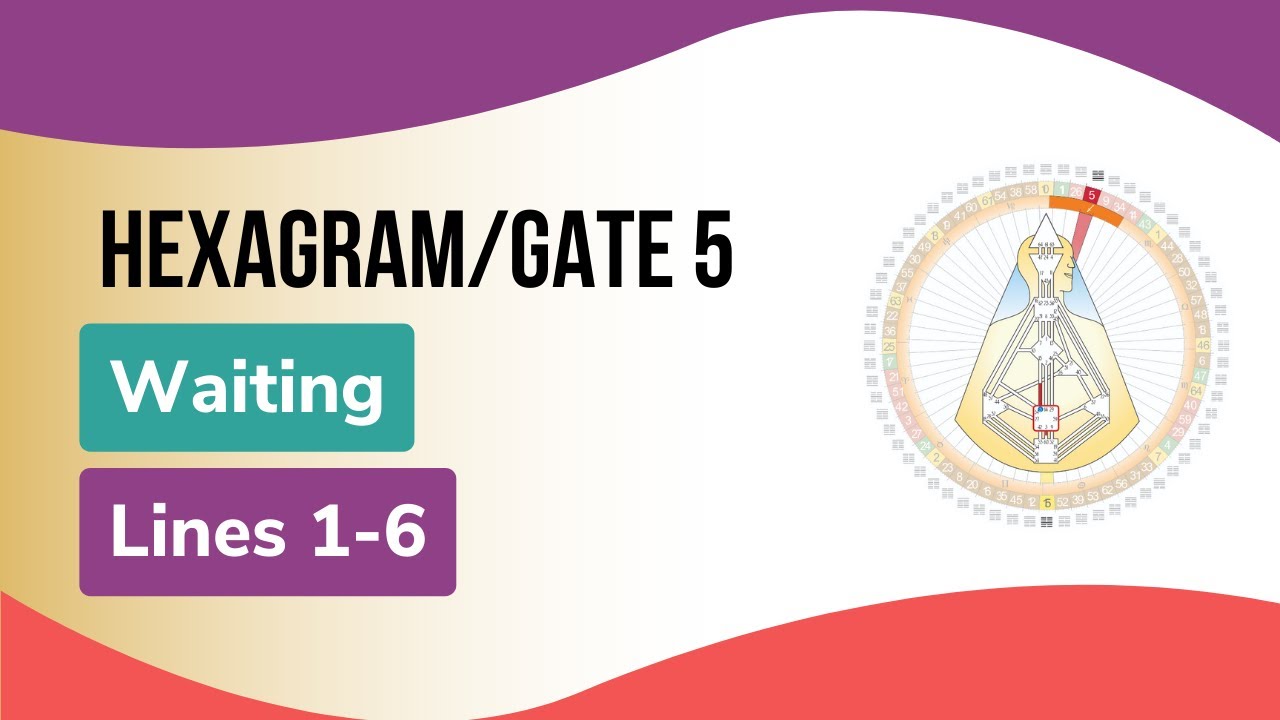
The result was Hexagram Number Five: Xū. Waiting. Nourishment.
I swear, I read the text three times, looking for a loophole. But nope. It was all about waiting by the stream. Don’t cross the big water now. The time is wrong. Wait for the clouds to clear. It even had bits about waiting in the suburbs, meaning you’re close to action but still need patience. I read it, and I thought, “This is useless. This is the oldest, lamest advice in the world. Just sit here and suffer? No thanks.”
My entire instinct was to reject it. Waiting felt like admitting failure. It felt like stalling until the relationship died a natural, neglected death. I was ready to take a risk, and the ancient wisdom was telling me to put my feet up and watch TV.
But the lines were the kicker. They were very specific.
- One line talked about waiting in the mud. You’re stuck, it’s annoying, but if you push now, you’ll just get dirtier. Stay put, and you’ll save yourself a headache.
- Another was waiting with wine and food; you have everything you need, but the time to act is simply not here yet. You need to focus on feeding yourself, literally and mentally, while the circumstances change on their own.
The core message hammered me. It wasn’t about waiting passively like a wooden statue. It was about active preparation while the external circumstances settle. It meant shutting up, stopping the push, and focusing entirely on making sure my own house was in order.
The Change That Wasn’t My Idea
I decided to try it, not out of belief, but pure exhaustion. I couldn’t push anymore. My anxiety had worn me out. So, I stopped.
I stopped asking what was wrong. I stopped suggesting we “talk.” I stopped demanding we fix the space between us. I put all that energy into my own little world.
I went back to the gym after months. I cleaned out the garage—a job I’d been putting off forever. I started cooking proper meals again, not just for us, but because I enjoyed the process. I was present in the house, but I wasn’t emotionally demanding. I was ‘nourishing’ my own life, just like the reading suggested.
And that’s when the entire dynamic shifted. The water started to calm down precisely because I stopped stirring it.
After about ten days of this new routine—me just focusing on my own projects—she walked into the living room one night, completely unprompted, while I was reading an actual book instead of staring at her. She didn’t launch into a fight. She just started talking about her work stress. Her crazy deadline. Her old family issues that had suddenly popped up.
The entire distance between us wasn’t about me, or us, at all. It was about her being overloaded and not having the emotional room for a relationship argument on top of all that baggage. My pushing had simply felt like one more thing she had to fail at.
The conversation we had that night wasn’t about “fixing” things; it was just me listening to the external storm she was in. She didn’t need a hero or a fighter; she needed a steady presence that wasn’t adding to the noise.
The Lesson From the Banks of the Stream
I had wanted to jump the stream and splash around trying to save her. Hexagram 5 told me the current was too fast for that. It told me to stand on the banks, build my own strength, and wait for the water to naturally lower.
My practice record shows this clearly: Waiting, in this context, wasn’t about being lazy or giving up. It was about respecting the natural timing of things and using the quiet time for self-maintenance. I nourished myself so I could actually be useful when the time came, instead of just being another source of stress.
So, is waiting the key to success in a relationship? Yeah, sometimes it is, but only if you define waiting as strategic inaction combined with personal upkeep. You wait for the circumstance to change, but you certainly don’t stop improving yourself while you’re standing there. That’s the real trick the old coins handed me.