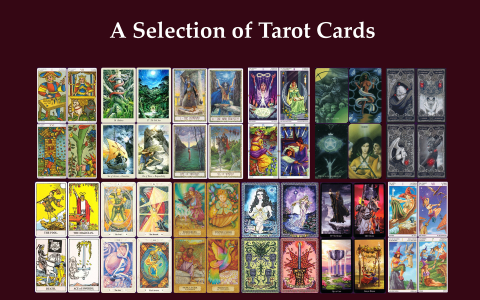
Man, I gotta tell ya, when you hear “free cartomancy reading: easy?” you get an image in your head, right? Something quick, click-click, boom, all your answers laid out. Well, let me tell you, it’s a whole different ballgame than what you might think when you first hear about it.
I remember a couple of years back, things were a bit… fuzzy. Not bad, just… a lot of choices, a lot of thinking, and not a lot of clear paths jumping out at me. My main gig was going fine, but outside of that, I just felt a bit stuck in the mud, you know? Like I was spinning my wheels in slow motion. I wasn’t in any deep trouble or anything dramatic like that, just that feeling of “what’s next?” hanging heavy in the air. I’d browse online, just passing time, and I kept seeing these ads pop up: “Get your free tarot reading!” or “Future revealed with playing cards!”
At first, I just ignored ’em. Sounded like a bunch of hooey, honestly. But after seeing them enough times, and with that “what’s next?” feeling still nagging at me, a little seed of curiosity started to sprout. What’s the harm, right? It was free. And I wasn’t looking for anyone to tell me I was gonna win the lottery or anything. Just, maybe, a little nudge. A different way to look at things. That’s how I ended up down the rabbit hole of trying out “free cartomancy readings.”
My first stop was just punching “free cartomancy” right into the search bar. Man, oh man, did a ton of sites pop up. Mostly, they looked pretty cheesy. You’d click on one, and it would say something like, “Pick your card!” So, I’d click on a virtual card, and then it would ask for my email. Then, “Want your full reading? Just pay X dollars!” Nope. Not today, buddy. That wasn’t what I signed up for. I wanted the free part, not the bait-and-switch.
I kept digging, though. There were a few sites that actually let you do a basic spread without asking for your life savings. You’d click through, maybe select three cards, and then it would show you the cards and a generic description. Like, “The Queen of Hearts means nurturing energy is around you,” or “The Ten of Spades indicates an ending is near.” I’d read ’em. Sometimes they felt like they could apply to literally anyone. Other times, I’d just stare at the screen and go, “Huh? What does that even mean for me?” It was quick, sure. I mean, it took about two minutes. But was it easy to get anything truly useful or insightful from it? Honestly, not really. It felt like reading a newspaper horoscope – maybe a general vibe, but nothing concrete to sink your teeth into.
Taking Matters Into My Own Hands
After a few rounds of those online duds, something clicked. I thought, “Hold on a minute. This isn’t some super-secret magic, is it? It’s just cards.” I remembered hearing somewhere that you could actually use a regular deck of playing cards for readings. That got me thinking. I had a perfectly good deck sitting in a drawer, gathering dust. Why not try it myself?
So, I went back to the internet, but this time, I searched for “cartomancy meanings playing cards” and “simple playing card spreads.” And let me tell ya, that was a whole other kettle of fish. Every site had slightly different meanings for each card. The Ace of Spades could mean triumph on one site and disaster on another. It was a bit overwhelming trying to figure out what was “right.” I figured, just pick one system and stick with it for a bit, try to get a feel for it.
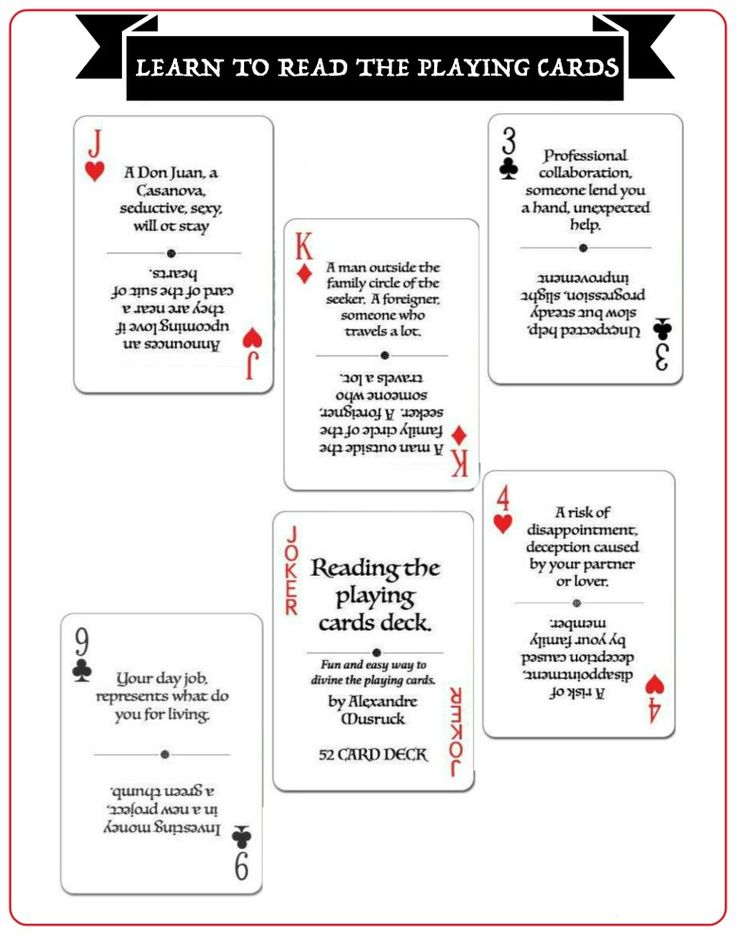
I settled on a pretty common breakdown: Hearts for emotions and relationships, Diamonds for money and career, Clubs for ambition and action, and Spades for challenges and changes. Each number and face card had its own little personality assigned to it. This was already more involved than I thought. It wasn’t just “easy” to just know what each card meant right off the bat.
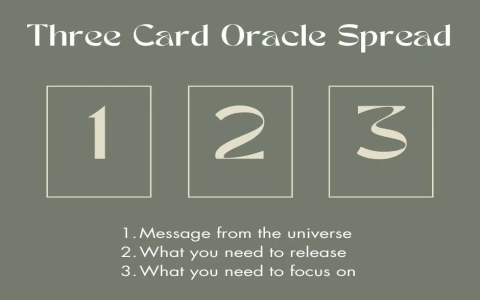
Then came the spreads. I started simple, a three-card spread. Past, Present, Future. Or Situation, Challenge, Advice. Those seemed like good starting points. I grabbed my deck. Gave it a good shuffle. Felt a bit silly, to be honest, sitting there, shuffling a regular deck of Bicycle cards like I was about to perform some ancient ritual. But I committed to it.
I laid out three cards. Let’s say I pulled the King of Clubs, the Two of Hearts, and the Eight of Spades. I’d stare at them. Okay, King of Clubs… confident leader, ambitious, maybe a bit bossy. Two of Hearts… a new partnership, maybe a choice in a relationship. Eight of Spades… limitations, feeling trapped, a difficult situation. My mind would just go blank sometimes. How did these three completely random cards connect to my life right now? That was the tricky part.
It was easy to draw the cards. Super easy. But interpreting them? Connecting the dots? That was where the “easy” really went out the window. It wasn’t like reading a recipe. It was more like trying to paint a picture with only three colors, and those colors changed meaning depending on the light. Sometimes, I’d feel absolutely nothing, just three pieces of cardboard staring back at me. Other times, though, a card, or the combination of them, would just… click. Not because it was predicting my next move, but because it made me think about something I hadn’t properly acknowledged. It would put a name to a vague feeling I had, or highlight a potential issue I’d been sidestepping.
For example, that Eight of Spades, representing limitations, might make me realize I was indeed feeling boxed in by certain expectations at work, and the King of Clubs, as advice, might push me to take a more assertive role. It wasn’t a fortune. It was a prompt. A conversation starter with myself. The “easy” part was the physical act. The “hard” part, the meaningful part, was the introspection it triggered.
So, looking back, was “free cartomancy reading” easy? To get a quick, superficial flick through some virtual cards online? Yeah, that’s easy, but mostly useless if you’re looking for real clarity. To actually sit down, learn the meanings, lay out a spread, and try to honestly connect those symbols to your own life? That’s not “easy” in the way I first imagined. It takes thought, time, and a willingness to look inward. It turned out to be less about getting “readings” from some mystical source and more about creating a quiet space for self-reflection. And for that, it was actually pretty neat.