I started messing with the I Ching, the old Book of Changes, back when I hit a total wall with my side hustle. It wasn’t the code or the product that went sideways; it was the people. Three founders, and we couldn’t agree on which way was up. I felt like I was running the whole shebang by myself, and they were just waiting for me to fail so they could point and say, “See?”
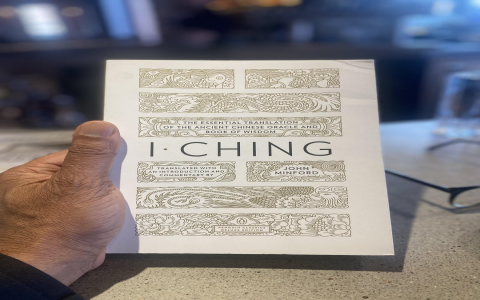
I was desperate, walking around town with a heavy heart, and I finally dug out this old tattered copy of the book my uncle gave me years ago. I figured, what’s the harm? I went through the whole coin tossing process—took me like thirty minutes because I kept dropping the coins—and the answer I got was Hexagram 13, Tóng Rén, or “Fellowship with Men.”
My first reaction was pure frustration. The book’s translation was all flowery junk. It said stuff like “The Superior Man joins men in their endeavors” and “Great success. It furthers one to cross the great water.” I looked at my bank account, which was basically zero, and the two co-founders who weren’t talking to me, and I thought, “Great success? This thing is completely broken.”
I almost threw the book in the trash. But something in my gut—you know that feeling—told me the book wasn’t wrong, I was wrong. I was looking for a ‘yes’ or ‘no’ answer to ‘Will I get rich?’ when the book was talking about something else entirely. That’s when I stopped reading the big, main judgment statement at the top of the page and forced myself to dig into the individual lines. This is where the real work started, and I started keeping strict notes about what actually happened versus what the tiny book descriptions suggested.
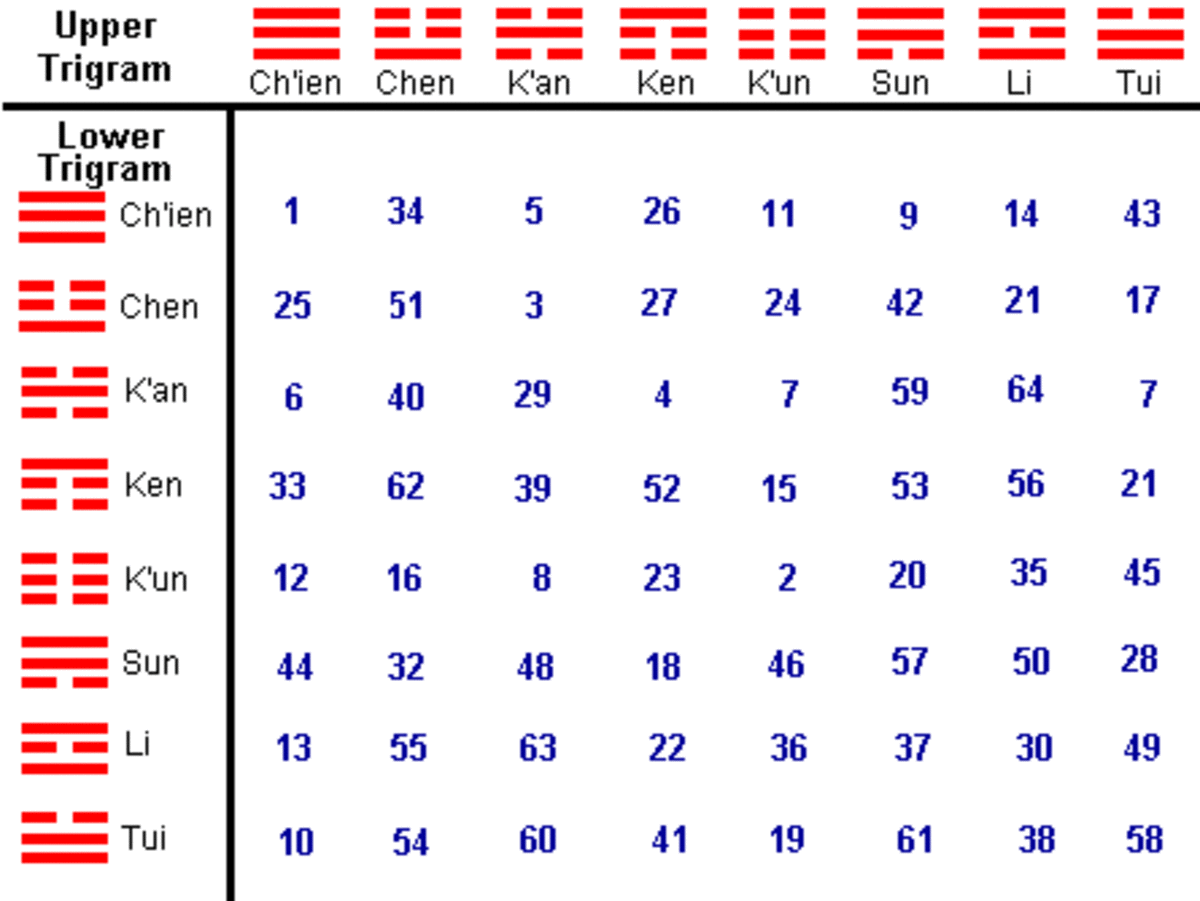
Ditching the Big Picture and Drilling Down
The first practical change I made was to totally ignore the main “Judgment” for a week. I told myself to focus only on the lines that were actively changing—the changing lines are the real action items. If you get a line that’s stable, forget it; that part of the situation isn’t moving. If you get a line changing from solid to broken, or vice versa, that’s your homework assignment for the next few days. With Hexagram 13, I had one changing line that kept popping up, and it made all the difference.
The Real Tip: Position, Position, Position.
The hexagram’s six lines represent a kind of physical space or distance. The bottom line is like being at the gate or at the curb—just starting out, maybe still stuck at home. The top line is like being in the wilds or in the mountains—way out there, alone, or leading the whole charge. I realized that my changing line kept putting me high up, the fifth line, which meant I was already supposed to be ‘in the thick of it’ and leading the connection. I had been sitting in my house waiting for them to call me.
-
I Stopped Waiting: I realized that “Fellowship” wasn’t going to happen by telepathy. The line descriptions use places—like being “at the gate” or being “at the wall.” If I was reading ‘Fellowship on the plains,’ it meant I needed to meet people where they were naturally gathered, not at my expensive downtown office.
-
I Changed the Medium: I deleted the three-page long email I had drafted. You can’t forge fellowship through a screen, especially when things are rough. The book talks a lot about seeing and meeting. So, I drove over to the first guy’s place unannounced and just sat on his porch. We didn’t talk about the business for an hour. We talked about why his dog was chasing a squirrel. It was stupid, but it broke the ice.
-
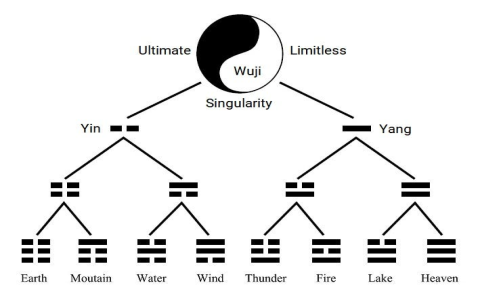
I Looked for Movement, Not Status: I stopped asking, ‘Is this business successful?’ The question became, ‘Am I successfully moving toward connection?’ The 13th Hexagram is about gathering people, but it’s often about the difficulty of that work. It’s not a pat on the back. When the lines were confusing, I always went back to the simple image: Fire upon Heaven. Fire rises, Heaven is vast. You need a big, open, visible flame to connect with the wide world. My flame (my efforts) was too small and hidden.
It didn’t magically resurrect the startup. We ultimately decided to shut it down, but we did it together, over pizza and beers, instead of through lawyers and angry texts. The real harvest wasn’t the money I was chasing; it was learning how to actually read the situation and stop looking for a crystal ball answer. The book told me how to be, not what I would get. I started applying this whole process—just looking at the lines and the verbs—in every boring meeting at the cubicle job I took later. It made the team politics a thousand times clearer, because when people weren’t talking, I knew exactly which line position they were stuck in.