

Man, lemme tell you, dealing with some folks can be a real head-scratcher. For years, I found myself in this dance, right? This one guy, a Pisces through and through, he had this way about him. Super sweet, super charming on the surface, but then you’d get into the deeper stuff, and it was like trying to catch smoke with your bare hands. It was a journey, and honestly, a lot of what I learned came from just banging my head against the wall, then finally figuring out a different approach.
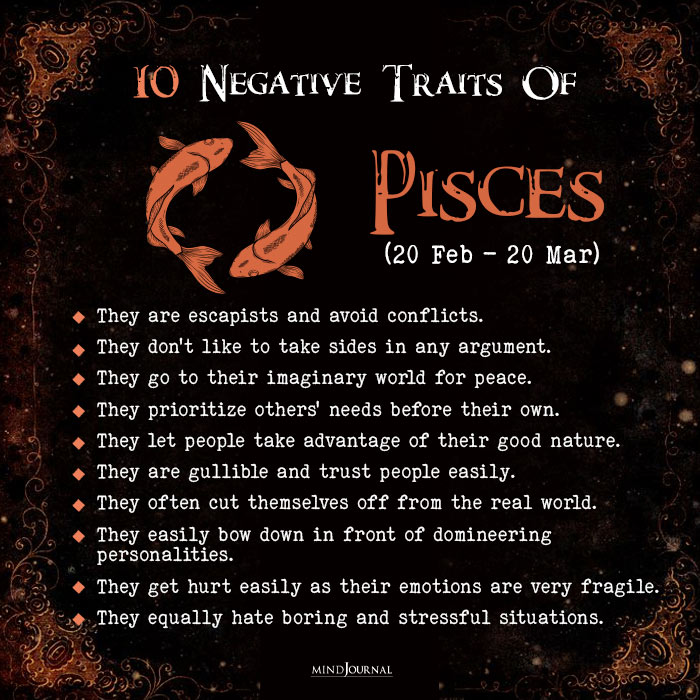
I remember starting out, thinking I could just, you know, talk him through things. He’d get these moods, sometimes out of nowhere. One minute, he’s laughing, the next, he’s shut down, gazing out the window like he’s lost in another dimension. And me, being the direct type, I’d try to get to the bottom of it. “What’s wrong? What happened? Just tell me!” I’d prod. Big mistake. He’d either just sigh, shrug, or worse, get defensive and deflect. It was like he’d physically retreat inside himself, leaving me standing there, feeling like I’d just said something awful, even when I hadn’t.
Then there was the escapism. Not in a bad way, necessarily, but it felt like he’d just float away when things got heavy. If there was a difficult conversation to be had, or a decision that needed making, he’d find a million ways to avoid it. He’d dive into a project, or just completely detach, becoming vague and non-committal. I’d try to nail down plans, future talks, important stuff, and he’d just waffle, shifting like sand through my fingers. I’d leave those conversations feeling utterly drained, like I’d talked to a ghost. It happened over and over, and I tell ya, I was getting nowhere fast. My patience was wearing thin, and I felt like I was constantly pulling the weight for both of us in the emotional department.
One day, after another one of these disappearing acts – not physically, but emotionally – I just hit my limit. I was so angry, so frustrated, but also just tired. I remember sitting there, staring at the wall, and realizing that my usual way of handling things, my directness, my need for clear answers, it just wasn’t working with him. It was like trying to fit a square peg in a round hole, constantly. And it dawned on me: maybe the problem wasn’t just him, but my approach to him.
Shifting My Own Sails
That’s when I started to really change how I operated. I didn’t try to change him anymore. That was the first big lesson. Instead, I focused on changing how I reacted and interacted.
- I stopped chasing. When he’d retreat, I’d let him. Instead of hounding him with questions, I’d just say something simple like, “Hey, I see you’re quiet. I’m here if you want to talk later.” And then, I’d genuinely disengage. I’d go do my own thing. It was hard at first, felt like I was giving up, but it gave him space. And sometimes, surprisingly, he’d come back later, on his own terms, and open up a tiny bit.
- I learned to read the subtle cues. He wasn’t always going to spell things out. I started paying attention to his body language, his tone, the general atmosphere he carried. If he looked cloudy, instead of demanding explanations, I’d just be a bit gentler, make sure he felt supported without smothering him. It was less about what he said, and more about how he felt.
- I created my own boundaries. This was huge. Instead of letting his indecisiveness or moodiness dictate my day or my emotional state, I started making decisions for myself. If he couldn’t decide on plans, I’d make my own. If he was in a mood, I’d acknowledge it, but I wouldn’t let it suck me into his vortex. I learned to protect my own energy.
- I communicated differently. Instead of direct confrontations, especially about “feelings,” I’d try softer approaches. Sometimes, I’d write things down, or just talk about a general concept rather than directly about “us” or “his problem.” He seemed to respond better to indirect suggestions or reflections. It was like building a bridge made of fog, instead of a solid steel one.
It wasn’t a quick fix, not by a long shot. There were still bumps, still moments where I felt like I was back at square one. But slowly, steadily, things shifted. I realized that his way of processing the world was just fundamentally different from mine. He needed space, not pressure. He needed gentle guidance, not harsh demands. And most importantly, I needed to take care of my own emotional well-being first. By doing that, by pulling back and letting him be, paradoxically, he started to feel more secure and, at times, more present. It really taught me that sometimes, dealing with someone’s challenging traits isn’t about fixing them, it’s about fundamentally changing how you show up in the dynamic. And that, my friends, was a game-changer for me.