It didn’t start because I felt like making a life change, or because I read some self-help garbage. It started because the power got shut off.
I was in my apartment. It was a Saturday, mid-afternoon. Everything just went black. Not a surge, not a flickering bulb. Just total silence from the fridge and the hum from the computer tower. I tried the light switch a few times like an idiot, then checked my phone—dead. Of course. Because I hadn’t charged it properly.
I grabbed the stack of mail that I’d been using as a doorstop, and there it was, right on top: the final notice. I’d spent the last three weeks deep-diving into a new MMORPG, the kind where you trade in-game gold for real-world cash, convincing myself it was a side hustle. It was a joke. I hadn’t just forgotten the electric bill; I had forgotten three of them, because every spare penny went into buying virtual gear.
My landlord called an hour later, demanding the key. That’s when the switch flipped. Not the power switch, but the one in my brain that goes, “Dude, you are actually living out the worst cliché of the flaky, unreliable, escapist Pisces.” I didn’t even pack a bag. I just picked up my backpack, walked out the door, and slept on a friend’s couch for a week, too embarrassed to even face the process of getting the power back on myself.

The Messy Start: Blaming the Stars and Hitting the Pavement
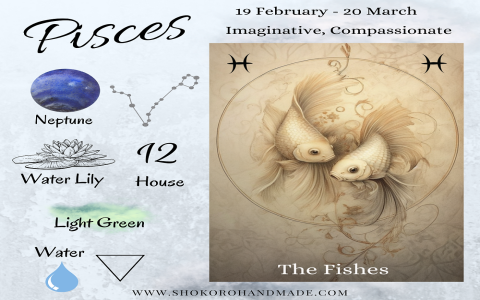
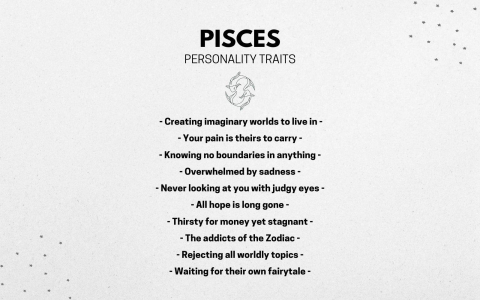
Lying there on that lumpy, dog-hair-covered sofa, I didn’t turn to therapy. That costs money. I didn’t read any clinical papers. I got mad. I went down the astrology rabbit hole, not for guidance, but to find a scapegoat. I typed it in: “Pisces addictive personality.” The results were insulting. Dreamer. Escapist. Emotional sponge. Avoids confrontation. It nailed me. I used that stupid astrological sign as a diagnosis, a permission slip to say, “This isn’t my fault, it’s just my cosmic programming.”
But the practical reality of being homeless (even temporarily) kicked the poetry out of it.
I realized that the “cure” or the “healing journey” wasn’t going to be about stopping the addiction; it was about replacing the action of running away with the action of running toward something. Anything. I needed an anchor, not a solution. The whole idea of curing a personality trait is a fantasy—another Pisces trap. You manage it. You build walls around it.
So, the practice began. It was ugly, boring work. Here’s what I actually did:
- I killed the time suck. I unplugged everything that had a screen and wasn’t strictly necessary for a job search. My friend had an ancient, battered laptop he only used for spreadsheets. I borrowed it. It was too slow to game on. Perfect.
- I started tracking every damn cent. I didn’t use an app. I bought a cheap notebook from the corner store—the kind with the marbled black cover—and wrote down every penny spent and earned. Accountability on paper. No hiding it behind a locked password or an encrypted file.
- I moved my body. I found a job waiting tables in a diner twenty minutes’ walk away. I didn’t take the bus. I walked the round trip every single day, twice a day. The point wasn’t fitness. The point was to feel physically tired from real work, not mentally drained from fake work.
- I found a noise to replace the quiet. My biggest addiction has always been the silence—that quiet space where my brain can wander into fantasy land. I started listening to audiobooks and podcasts about history, documentaries, anything that forced me to focus on external, real-world facts while I was walking or cleaning dishes.
The Relapse and the Real Deal
Did it stick? Hell no. About two months in, I got my own tiny studio apartment. I felt stable, so I celebrated by buying a new mechanical keyboard. The next thing I knew, I was back on an old, forgotten mobile game, staying up until 4 AM. It happened fast. I blew two full days’ worth of tips. I felt the familiar pull, that current dragging me back out to sea.
I didn’t panic and burn the keyboard. That would have been the old, dramatic Pisces move. I just walked over to the power strip, unplugged the monitor, and threw the keyboard under my bed, behind a stack of old shoe boxes. I didn’t tell anyone. It wasn’t a grand gesture for a social media post; it was just a quiet, boring, necessary action.
That was the real lesson I documented in that cheap notebook. You don’t cure the addictive impulse; you just get better at physically stopping the trigger before the impulse takes over. It’s like a leaky basement: you can’t wish the water away, you have to keep patching the holes, over and over.
The “healing journey” is nothing more than showing up for the most boring parts of your life—the bills, the dishes, the slow walk to work—and refusing to let your imagination be more important than your reality. I’m not “cured.” I’m just busy enough, physically tired enough, and financially obligated enough that I don’t have the time or the energy to run away anymore. That’s the record. That’s the practice. And it works.