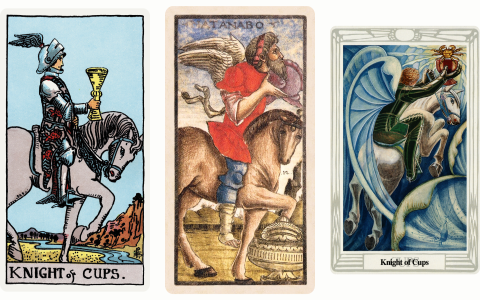
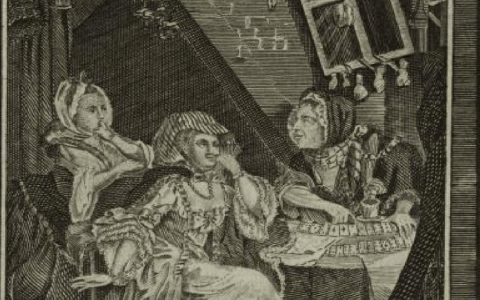
Alright folks, let’s talk about something that might sound a little out there for some of you: Tarot cards. Yeah, I know. For years, I was that guy who thought it was all just mumbo jumbo, a bit of fun at best, totally bogus at worst. But then, life happens, right? And sometimes, when you’re scratching your head, wondering which way is up, you start looking at things you never would have before.
I hit a patch a few years back where I just felt… adrift. My work felt stale, my personal life felt like it was cycling through the same old patterns, and I just couldn’t pinpoint what I needed to shift. It wasn’t a crisis, but it was that nagging feeling of being stuck in quicksand. I tried all the usual self-help stuff, read books, listened to podcasts, but nothing really clicked. Then, one afternoon, browsing a local market, I saw a stall with a bunch of Tarot decks. Just on a whim, pure curiosity, I picked one up.
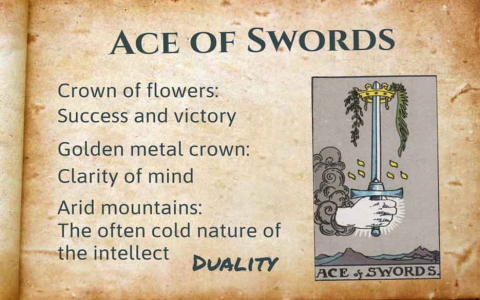
It was a standard Rider-Waite deck, pretty classic stuff. I bought it, took it home, and it sat on my desk for a week. I mean, what was I supposed to do with it? Stare at the pictures? I felt pretty silly, honestly. Eventually, I decided to actually try and figure it out. I didn’t want to go to a reader yet; I wanted to see if I could get anything from it myself first. So, I grabbed a simple guide book, nothing fancy, just a basic rundown of card meanings and spreads.
My first attempts were, well, they were a mess. I’d try a three-card spread – past, present, future – and just stare at the cards. The book would say “The Tower: sudden change, upheaval.” And I’d think, “Okay? What ‘sudden change’?” It felt so generic, like horoscopes in a newspaper. I did this for a few weeks, feeling like I was just assigning random meanings to pretty pictures. I almost gave up, just chalked it up to another failed experiment in finding answers.
But then, something started to shift. I stopped trying to force concrete predictions. Instead, I started using the cards as prompts for reflection. I’d pull a card for my “present situation” and instead of looking for a literal event, I’d ask myself, “How does this card’s energy feel in my life right now?” For example, the Nine of Swords often came up when I was really wrestling with anxiety, not because it was predicting a sleepless night, but because it reflected the mental turmoil I was already experiencing. It was like holding up a mirror.
I remember one specific reading. I was debating a big career move, a total leap of faith. I was scared to leave the comfort of my current job, even though I hated it. I did a simple spread for “What should I focus on?” and “What’s holding me back?” The “focus on” card was The Chariot – moving forward with determination, taking the reins. And the “holding me back” card was The Devil – feeling trapped by attachments, maybe even addictions to comfort or security. Man, when I saw The Devil, it hit me hard. It wasn’t literally a devil, but it represented that feeling of being shackled by my own fear and perceived limitations. That reading didn’t tell me “Quit your job!” but it laid out my internal conflict in a way I hadn’t quite articulated to myself.
That really changed things for me. I stopped seeing Tarot as a fortune-telling device. It wasn’t about predicting specific events, like “you’ll meet a tall stranger on Tuesday.” Instead, it became a tool for self-reflection and insight. It helped me explore my subconscious thoughts, my fears, my hopes, and my hidden potentials. It gave me a framework to ask better questions about what was going on inside my head and heart.
Did it tell me my future? Not in the way a crystal ball would. It didn’t give me winning lottery numbers or the exact date I’d find my next big opportunity. But here’s what it did do: it helped me discover my own future by pushing me to look at my present more deeply, to understand my motivations, and to challenge my own blockers. It guided me in making decisions that shaped my future, not by telling me what was coming, but by helping me figure out what I needed to do. It was less about accuracy of prediction and more about accuracy of self-awareness. And for me, that was way more valuable.