You know, for a long time, I just kinda walked through life feeling like I was missing something, like there was a guide book I hadn’t been given. I’d seen folks talk about tarot cards online, but honestly, that felt a bit too… intense for me. Then, one day, scrolling through some self-help stuff, I stumbled upon angel cards. They just looked… gentler, somehow. More comforting. And that’s where my whole journey kicked off.
I remember snagging my first deck. It was a pretty one, all soft colors and lovely artwork. I tore open the package, flipped through the cards, and then… just stared at them. What now? The little guide book that came with it was okay, but it mostly just told me what each card meant. It didn’t really tell me how to actually use them beyond just pulling one. So, that’s what I did for a while. I’d just pull a single card in the morning, sometimes at night, and read the message. It was nice, a little daily boost, but I felt like I was still missing the bigger picture.
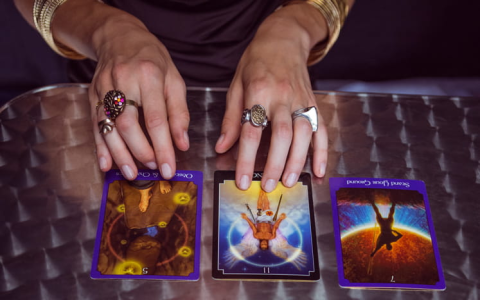
I started digging around, looking for how other people used these things. That’s when I bumped into this idea of “spreads.” The first one I really wrapped my head around was super simple, a three-card spread. This was a game-changer for me. Instead of just one random message, I could ask a question and lay out three cards. I usually did past, present, future. Or sometimes, situation, action, outcome. Man, that made so much more sense! I’d finally feel like I was getting a coherent story, not just a single word. Like, if I was fretting over a work thing, I’d pull three. The first card might show why I was anxious (past influence), the second would tell me what I needed to focus on right now (present action), and the third would give me a peek at where it was all heading (future potential). It really helped me untangle some knots in my head.
After a few months of feeling pretty good with the three-card setup, I wanted more. I had bigger questions, you know? Stuff about my relationships, my long-term goals. The three-card spread felt a bit too broad for those deeper dives. So, I started experimenting. I found a few different layouts people were using:
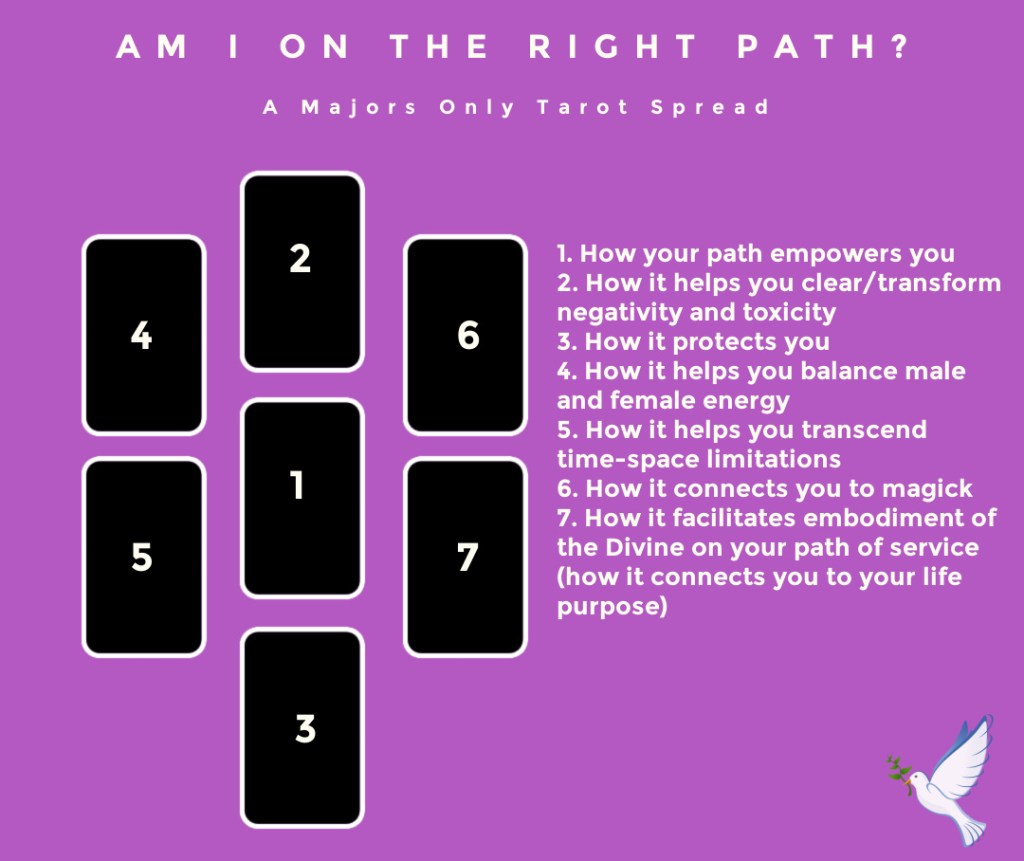
- The Relationship Spread: This one was great for understanding dynamics. I’d assign one card to me, one to the other person, and one to the relationship itself. It really helped me see things from different angles, especially when I was just caught up in my own head.
- The Celtic Cross (simplified version): Now, this one looked intimidating at first, like a whole blueprint! But I found a simpler take on it. Instead of ten cards, I’d sometimes do a five or six card version, focusing on the core issue, what crosses it, what’s behind me, what’s ahead, and then a final guidance card. This was for those big, juicy life questions where I needed a more thorough breakdown. It definitely took more time to really sit with and interpret all the messages working together.
- The Weekly Guidance Spread: I eventually started doing a Sunday spread for the week ahead. I’d pull seven cards, one for each day. It wasn’t about predicting, more like setting an intention or getting a theme for each day. It helped me feel more prepared and mindful as the week unfolded.
What I really learned through all this trying and doing was that there isn’t one “best” spread for absolutely everything. It really just depends on what question you’re bringing to the table and how much detail you’re looking for.
Finding What Sticks
For quick, clear answers or a daily nudge, I still grab a single card. No fuss, just a little message to kick things off. If I’m feeling a bit stuck on a specific issue, or just need to understand a situation better, I almost always go for the three-card spread. It’s my trusty go-to, reliable and easy to interpret without getting overwhelmed.
When I’m grappling with a bigger decision, something that feels like it has a lot of moving parts, that’s when I reach for something a bit more elaborate. I usually modify a bigger spread, like a version of the relationship spread for career choices, where I might look at my current skills, external opportunities, and the potential outcome. It’s all about adapting what I’ve learned to the specific situation.
The key, I found, was not to force it. If a spread felt too complicated or didn’t resonate, I’d ditch it and try another. Sometimes I even just make up my own little layouts based on what I need to explore. Like, if I’m having trouble with focus, I might lay out three cards: one for what’s distracting me, one for what I need to concentrate on, and one for how to get there. It’s all about making it work for me.
My biggest takeaway from this whole angel card adventure is to just start somewhere. Don’t get caught up in finding the “perfect” spread from day one. Grab a deck, try pulling a single card. If that feels good, move to three. If those three cards start making you think deeper, then maybe look at some more complex layouts. It’s a journey of discovery, really, learning to listen to your own intuition and letting the cards just be a friendly conversation starter with yourself. It’s been a pretty comforting part of my daily routine, and it really helped me feel more connected and less aimless. Finding the right spread for the right moment just makes the whole thing click into place.