So, I was trying to figure out this whole King of Swords love outcome thing. You know how it is—you pull a card, and suddenly you’re in a deep rabbit hole trying to figure out what it actually means for your love life. I started this practice because my own relationship felt like it hit a wall, and honestly, reading about it felt way less terrifying than actually talking about it sometimes.
My first step, always, is just grabbing my deck. I keep it in this old wooden box. I sat down one rainy afternoon, really focused on the question: “What is the probable outcome of this current situation?” I wasn’t looking for a fairytale answer, I was looking for the honest, hard truth. I shuffled and shuffled, concentrating on the energy between me and my partner. When I finally cut the deck and pulled the card, there it was—The King of Swords.
The First Reaction: A Bit Chilly
My immediate thought? Yikes. Swords usually mean conflict, separation, or just plain cold hard facts. The King of Swords specifically felt like a warning about being too detached or logical. I mean, nobody wants logic when they’re talking about romance, right? I immediately grabbed my old notebook where I log all my readings—it’s full of chicken scratch and coffee stains—and I wrote down “King of Swords. Outcome.”
I started digging through my old texts and websites. Forget the fluffy descriptions. I tried to strip it down to what this King actually does in a relationship context. He rules with his head, not his heart. He values truth, clarity, and communication, even if it’s brutally honest. This isn’t the romantic Knight of Cups, this is the guy who says, “We need to talk about the budget,” right after a kiss.
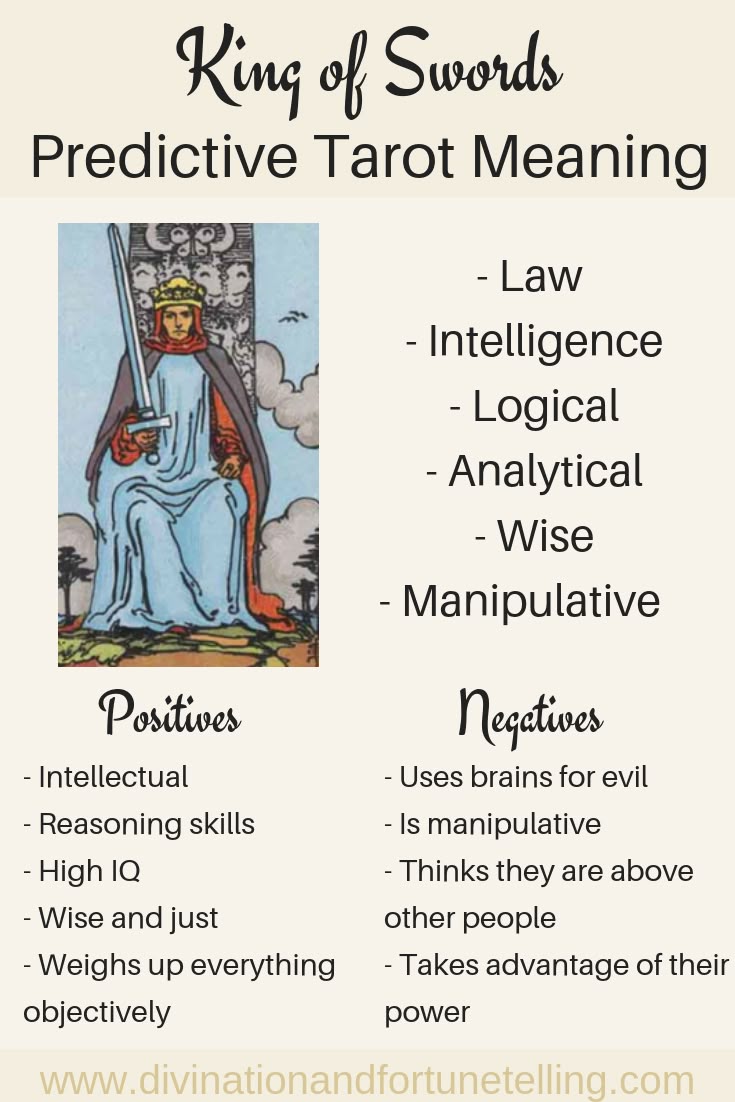
- Clarity: The first thing I realized was that this card was demanding we stop dancing around the issue. No more passive-aggressive silence.
- Intellectual Connection: It emphasized that the relationship outcome hinges on whether we can connect mentally, not just emotionally or physically.
- Detachment: The biggest warning sign I logged was the potential for one or both of us to become too emotionally removed, analyzing the relationship like a science project instead of living it.
Putting it to Practice: The Hard Conversation
Understanding the card is one thing; applying it is another. I decided this King was telling me I needed to step up and be intellectually honest about what wasn’t working. It meant dropping the emotional drama I usually relied on and using clear language.
I initiated a conversation with my partner, and instead of leading with “I feel,” which often turns into an argument, I structured my thoughts. I laid out the facts, what I saw happening, and what I thought the necessary solutions were. It felt awkward, like I was presenting a quarterly review, but it was effective.
The Outcome of the Practice: The conversation was tough. We weren’t gushing about our love; we were dissecting our patterns. He admitted he’d been holding back because he feared confrontation, and I admitted I’d been letting small issues fester into huge emotional messes. The King of Swords, for me, didn’t promise eternal passion; it promised a clear, sustainable arrangement built on mutual understanding and clear boundaries. It meant if the relationship was going to survive, it had to be based on truth, even if that truth hurt a little.
The Long-Term Log
I kept logging our progress. We now consciously try to communicate problems using clear, non-emotional language first. It’s hard work. Sometimes I want to just scream and cry, but then I remember that King sitting on his throne, demanding reason.
What the King of Swords outcome meant for us wasn’t a breakup, but rather a reshaping. It forced us to define roles, set expectations, and agree on boundaries using logic. It’s less fairytale romance and more effective partnership. And honestly? It’s far more stable than the dramatic ups and downs we used to have. It’s a relationship built on adult conversation and shared principles, which, frankly, is a powerful kind of love outcome.