Man, sometimes you just hit a wall at work, right? Like you’re pushing and pushing, but the gears just feel stuck. That’s exactly where I found myself a while back. I was plugging away, doing my thing, but it felt like I was just treading water, not really making any waves. No real excitement, no big breaks, just… baseline. And after a while, that really starts to grind on you, you know?
I remember just sitting there one evening, staring at my screen after hours, thinking, “There’s gotta be more to this.” I was scrolling through some random stuff online, just bored, when I somehow landed on some old forum talking about… well, all sorts of weird personal development stuff. And somewhere in that rabbit hole, I saw a mention of the I Ching, specifically how some folks used it for career insights. Now, I’m usually not one for all that mystical stuff, but I was desperate enough to try anything that wasn’t just banging my head against the keyboard.
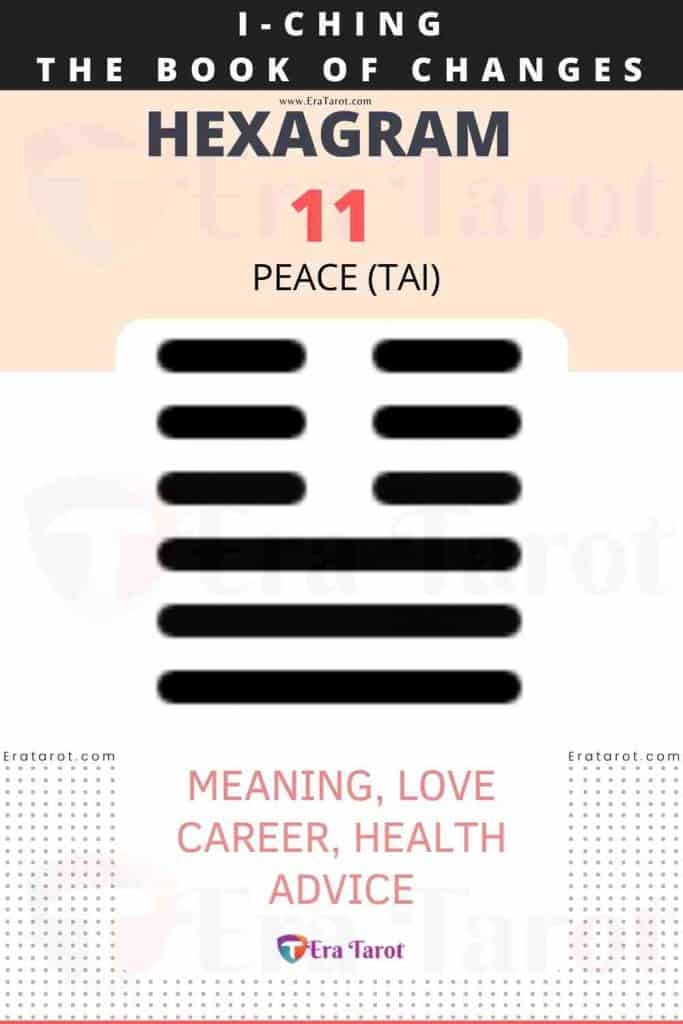
So, I thought, “What the heck.” I grabbed one of those coin-toss apps on my phone – didn’t even have the actual coins or anything proper. Just went with it. I focused hard on my career situation, you know, what was holding me back, what I needed to do. Tossed the coins, got my hexagram. And it came out as number 11. I looked it up, and honestly, the description just hit me in a strange way. It was all about ‘peace’ and ‘flow’ and ‘harmony’ – things I definitely wasn’t feeling at work.
Now, I’m not gonna sit here and preach about ancient wisdom. For me, it was more like getting a nudge, a different way to think about my problem. It wasn’t about some magic spell. It was about reframing. If this hexagram meant “peace” and “flow,” then maybe my problem wasn’t about forcing things, but about creating the right conditions for things to flow naturally. That’s what I took from it, anyway. It was like a giant neon sign saying, “Stop fighting, start aligning.”
Shifting Gears: What I Actually Did
First off, I stopped complaining so much, at least internally. I mean, sure, it’s easy to gripe about deadlines and difficult colleagues. But I started consciously trying to find the positive angles. Instead of, “Ugh, another pointless meeting,” it became, “Okay, what’s one useful thing I can get out of this meeting?” It sounds small, but that mental shift was huge.
- I started reaching out more. Instead of just doing my own work in my own silo, I made an effort to connect with folks on other teams. Not for any particular agenda, just to say hi, ask about their projects, maybe grab a coffee. I figured if things were supposed to flow, I needed to open up the channels. And boy, did that make a difference. Suddenly, I wasn’t just “that guy who does X”; I was “Sarah’s friend who helped her with that Y thing,” or “Mark’s buddy who knows about Z.”
- I looked for ways to make things smoother for others. If I saw someone struggling with a task that I knew a trick for, I’d offer to show them. Didn’t wait to be asked. Just jumped in. Again, no big agenda, just trying to reduce friction. This had a crazy side effect: people started coming to me with questions, which meant I was seen as more of a go-to person, not just a cog.
- I tackled some of those tedious, nagging tasks I’d been putting off. You know the ones. The organizational stuff, the little bits of documentation that no one ever looks at but really should be done. I just knuckled down and cleaned house on those. My thinking was, if I wanted “peace” and “flow,” then I needed to clear out the stagnant stuff first.
- I genuinely started listening more in meetings. Instead of planning my next coffee break, I actually tuned in. Trying to understand the bigger picture, not just my part. This helped me anticipate problems and even offer solutions that connected different pieces of the puzzle.
It wasn’t a sudden, overnight transformation. It was a gradual build-up, a series of small choices every day. Some days I’d forget and revert to my old, grumpy self. But I’d catch myself and try to get back on track. It was like tuning an old radio – lots of static at first, but you keep fiddling until the signal comes in clear.
The Payoff: Things Started Moving
And you know what? Things actually started to shift. Slowly at first, then faster. Because I was talking to more people, I started hearing about projects before they were officially announced. Because I was seen as helpful, I got brought into discussions earlier. Because I was cleaning up my own messes, I had less stress and more mental space for the real work.
My manager noticed, too. Not that I was trying to impress anyone, but when you’re contributing in more ways, when you’re connecting people and smoothing things out, it’s pretty hard to ignore. I got offered a chance to lead a small internal initiative, something I’d never have been considered for before. And that initiative actually turned out pretty well, opening up even more opportunities.
It wasn’t about getting some secret message from the universe. It was about taking a different perspective, using that hexagram as a prompt to change my actions and change my mindset. I stopped waiting for things to happen to me and started actively creating a more harmonious, flowing environment around me. And that, more than anything, is what really gave my work life the boost it desperately needed. Sometimes you just gotta shake things up, even if it’s with an ancient, coin-tossing app on your phone. Who knew, right?