Man, sometimes life just throws you for a loop, right? You’re chugging along, thinking you got things figured out, and then boom – something shifts. A few years back, I hit one of those patches where I felt like I was just reacting to everything, always on the back foot. My mind was racing a mile a minute, trying to control every little outcome. It was exhausting.
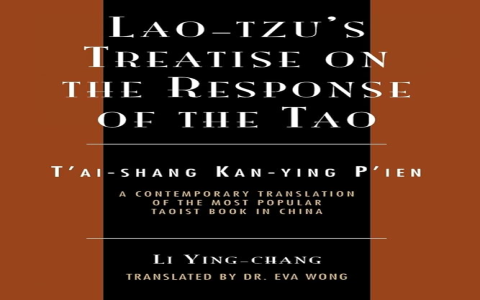
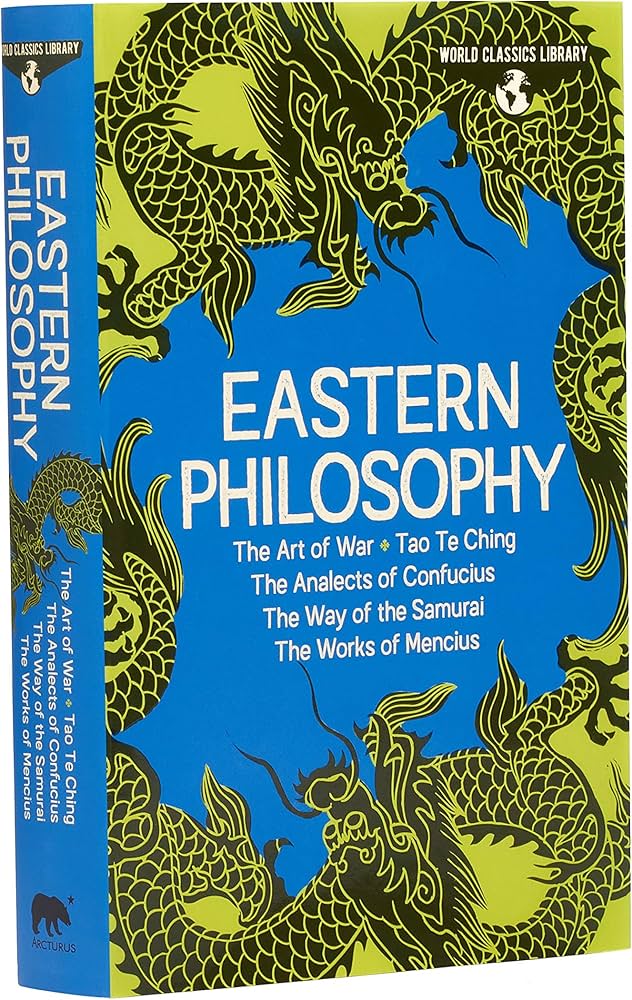
I started looking for something, anything, to help me get a grip. That’s when I stumbled onto Eastern philosophy. Heard a lot of buzz about it, mostly the Zen stuff, but then the Tao Te Ching kept popping up. I figured, why not? Picked up a paperback with a cool looking cover and dove in.
My First Dance with the Tao Te Ching
Reading the Tao Te Ching felt like a breath of fresh air. It wasn’t some heavy academic book. It was poetic, almost cryptic sometimes, but in a way that just made you slow down and think. I remember feeling a sense of calm, like a big, quiet river flowing through the words. It talked a lot about the “Tao,” this natural way of things, and “Wu Wei,” which I initially thought meant “do nothing.” But as I read more, I realized it was more like “action without forcing it,” or “effortless action.” That clicked with me. I was so used to pushing, shoving, trying to make things happen. This book was telling me to ease up, to observe, to go with the flow.
- I’d read a chapter or two in the morning, sometimes just one verse.
- I’d let the words sort of wash over me, not trying to intellectualize it too much.
- Then I’d try to carry that feeling, that sense of effortless action, into my day.
One time, I was stuck in a super frustrating traffic jam. Old me would have been honking, swearing, getting all worked up. But I remembered a line about how water always finds its way, effortlessly, around obstacles. So, I just eased back, put on some music, and waited. And you know what? It didn’t make the traffic move faster, but it sure made me feel a whole lot better. It was about shifting my internal state, not trying to change the external world directly.
Then Came the I Ching
For a good while, the Tao Te Ching was my go-to. It helped me big time with just being, with finding a more peaceful way to move through life. But then, as often happens, a new challenge popped up. I was facing some decisions, some real crossroads, and while the Tao Te Ching gave me the overall vibe of “go with the flow,” I wanted something a bit more… prescriptive. Something that could help me figure out what the heck the “flow” actually was in a specific situation. That’s when I heard about the I Ching.
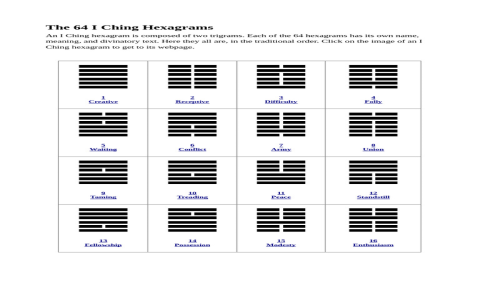
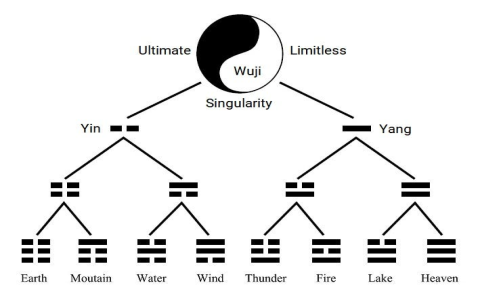
Man, the I Ching felt like a whole different ballgame. I picked up a copy, and instead of poetic verses about nature, I saw diagrams – hexagrams, they called them – made of solid and broken lines. And instructions for tossing coins. It looked like a complicated puzzle, honestly. My first thought was, “Is this some kind of fortune-telling?” I was pretty skeptical, but my curiosity won out.
My Dive into the I Ching Practice
I decided to give it a real shot. I got myself three old coins. The process was way more hands-on than just reading.
- First, I’d sit down and really think about a question. Not a “yes or no” type, but something about a situation I was facing, or a decision I needed to make. I’d write it down.
- Then, I’d shake those three coins in my hand and toss them. I’d record the result as a solid or broken line.
- I did that six times, building up a hexagram from the bottom line.
- After I had my hexagram, I’d look it up in the book. There were judgments, images, and explanations for each line.
It wasn’t like getting a direct answer. It was more like getting a detailed snapshot of the situation, a perspective I hadn’t considered. Sometimes the advice was vague, other times it hit me like a ton of bricks. It made me look at things from new angles, considering the forces at play and how things might change.
Tao Te Ching vs. I Ching: What I Figured Out
After wrestling with both for a while, I started seeing them not as competitors, but as two different tools in the same toolbox.
The Tao Te Ching, to me, is like your spiritual compass. It teaches you how to be in the world. It’s about cultivating an inner state of peace, living in harmony with the natural rhythm of life, and not getting hung up on external outcomes. It’s for when you’re feeling defensive, trying to control too much, or just need to soften up your approach to life. It helped me relax, let go, and trust the process.
The I Ching, on the other hand, is like your strategic map. It’s for when you have a specific situation, a specific journey, and you need some clarity on the terrain. It doesn’t tell you what will happen, but it gives you insights into the current dynamics, the tendencies, and what an appropriate response might be. It helped me understand what actions might align with the “flow” in a particular tricky spot, offering a chance to reflect deeply on a question.
So, you see, the “vs.” is a bit misleading. The Tao Te Ching helps you develop the right mindset and heart, the internal wisdom. The I Ching helps you apply that wisdom to concrete situations, to navigate the ever-changing landscape of life. One is about the “how to live,” the other is about “what to do” in a specific moment. They really feed into each other, actually, making for a much richer way to approach life’s challenges.
It’s been a journey, picking up these ancient texts and trying to make sense of them for my own modern life. And I gotta say, it’s still ongoing. It’s not about finding all the answers, but about having better questions and a more grounded way to look for guidance.