You know, for a long time, I had this friend. Let’s just call him M. And M was, well, M was a puzzle. Always caught between a rock and a hard place, it seemed. Not in a dramatic, life-or-death way, but more like a constant low hum of indecision. It used to drive me absolutely batty, trying to figure him out, trying to help.
I remember one time, it was about a simple job offer. Two decent options, both good, both had pros and cons. We sat for hours, me trying to lay out the facts, draw up lists, whatever. And he just… sat there. Staring into space, like he was meditating on the ceiling. He wasn’t upset, not really. Just still. Quiet. You’d ask him, “So, what are you leaning towards?” And he’d just say, “I don’t know.” Not in a frustrated way, but in a totally blank, almost peaceful way. It felt like he’d put on a blindfold, you know? Just shutting out the world so he wouldn’t have to look at either option too closely.
At first, I thought he was just lazy, or maybe scared. Scared of commitment, scared of making the ‘wrong’ choice. But then I started noticing a pattern. It wasn’t just big decisions. It was little stuff too. What to eat for dinner. What movie to watch. He’d often just let someone else decide, or if he couldn’t, he’d just… not choose. He’d just exist in this space of neutrality, like two swords crossed in front of him, keeping everyone, and everything, at bay.
I started really watching him. He’d avoid conflict like the plague. If there was a disagreement, he’d just mentally check out. His body would be there, but his mind would be off in some quiet corner. It wasn’t aggressive, more like a protective shell. He’d balance these two opposing ideas or feelings, refusing to let one win out, almost as if the act of choosing would be a betrayal to the other side. This kept him in a kind of limbo, a perfect stalemate.
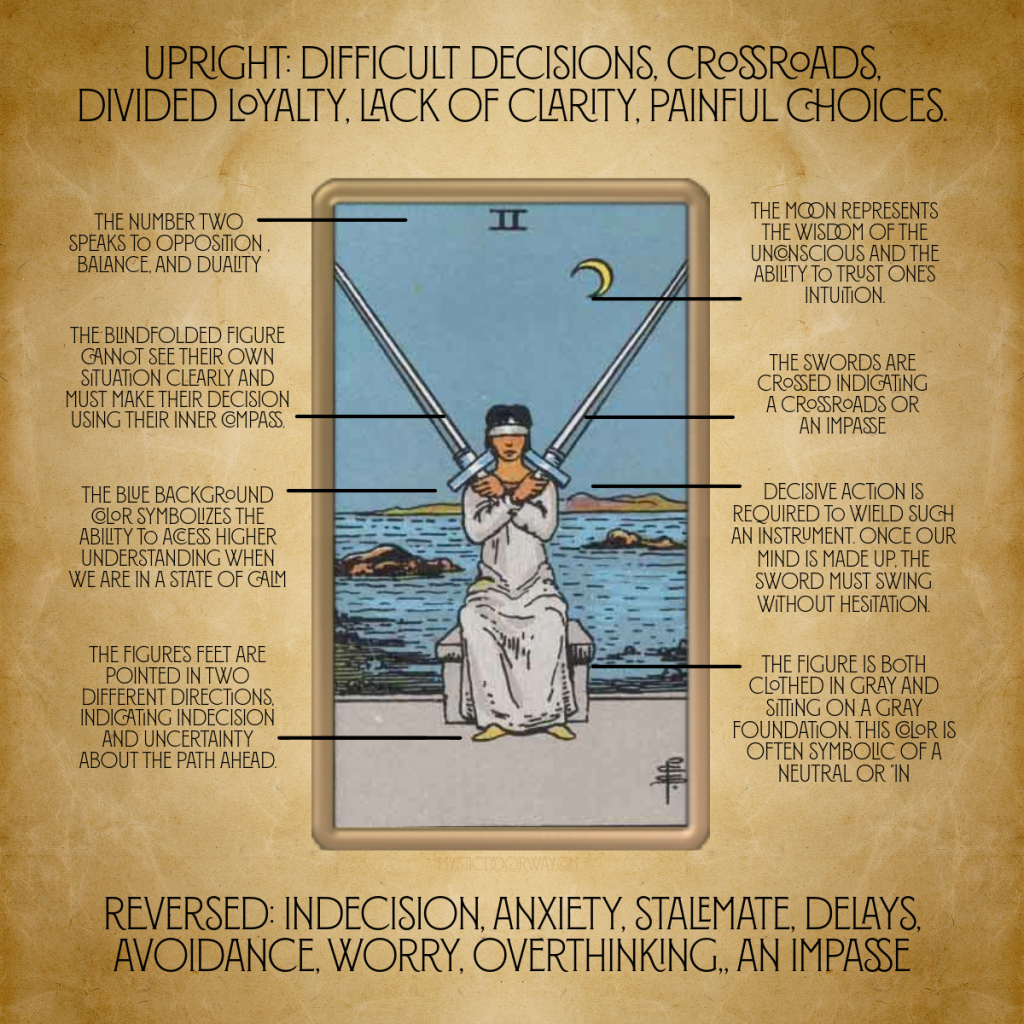
It took me a long time to get it. I used to push him, hard. “Just pick one, man! Make a choice!” And it never worked. It just made him withdraw further. He wasn’t being deliberately difficult. He was genuinely stuck. He was living in that moment of needing to make a call, but feeling completely unable to, or unwilling to, because both options carried equal weight, or perhaps equal fear. It was like he was trying to achieve some internal balance by not choosing, thinking that if he just held still long enough, the answer would appear magically, or the options would just… disappear.
What I Learned About People Like M
- They’re not trying to annoy you. Seriously. Their indecision often comes from a deep need to be fair, to not rock the boat, or to protect themselves from potential regret. They might be genuinely trying to weigh all sides equally.
- Don’t push them too hard. It backfires. When you try to force a choice, they retreat. It’s like they’ve got this wall up, a defense mechanism against pressure. They’ll just shut down further.
- Help them see the blindfold. Not literally, of course. But they’re often blocking out something important. It could be their own intuition, or a glaring reality. Gently help them explore what they’re not looking at. Sometimes, they’re afraid of what they’ll see if they take it off.
- Break down the choices. Instead of “Option A or Option B,” try to identify the underlying values or fears. What does Option A represent to them? What about Option B? Sometimes, understanding those deeper currents can make the surface choice clearer.
- Offer a safe space for their fears. They might be afraid of regretting their choice, or of what others will think. Let them voice those anxieties without judgment. Just listen. Sometimes, articulating the fear is the first step to moving past it.
- They often need peace and quiet to decide. Like really quiet. Distractions make it worse. They need to go inward, often to a place of stillness, to try and process. Give them that space instead of filling it with your own opinions or solutions.
I eventually stopped trying to solve M’s problems for him and just tried to understand. And when I did, our friendship actually got stronger. I learned to just sit with him in that stillness sometimes, to not expect an immediate answer, and to offer perspective, not ultimatums. It was a real eye-opener, showing me that sometimes, the most effective way to help someone who’s stuck is to help them understand why they’re stuck, rather than just pointing them towards a door.