
Man, cars are a money pit, right? We all know it. Fuel, insurance, and then the big one: maintenance. I used to just hand over my keys and my wallet and let the mechanic tell me what was what. Every time the check engine light blinked, my heart would sink straight into my boots. It felt like I was always scrambling, always paying through the nose for some mysterious fix.
I remember this one time, my old beat-up sedan – let’s just call her Piscar, for the sake of this story – started making this godawful grinding noise when I hit the brakes. I ignored it for a bit, like an idiot, hoping it would just… go away. Spoiler alert: it didn’t. Instead, it got worse. A lot worse. Ended up needing new rotors, calipers, pads, the whole nine yards. The bill was massive. I mean, truly soul-crushing. It felt like I’d just bought another used car with the money I shelled out. That bill hit me hard, right when I was already scraping by. My savings, what little I had, just vanished into thin air. I was really stressed out, wondering how I was gonna make ends meet for the next couple of months.
That’s when I snapped. I told myself, “No more.” I wasn’t going to be a clueless cash cow for every auto shop out there. I decided I was gonna figure this stuff out. I was gonna learn how to keep Piscar running without bleeding money dry. It wasn’t about becoming a master mechanic; it was about getting smart, about knowing enough to not get ripped off and to handle the easy stuff myself.
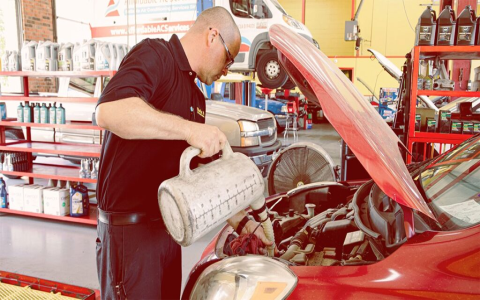
I started small. I mean, really small. First thing I did was actually open the hood. Yeah, I know, revolutionary. I started poking around, just trying to identify what was what. The oil dipstick, the coolant reservoir, the brake fluid. Basic stuff. I watched some super grainy videos on YouTube, folks mumbling into their phones while showing how to check oil. Slowly, I started to get it.
Then I moved to fluids. Checking the oil every couple of weeks became a ritual. It’s so simple, takes five minutes, but man, I used to never do it. Same with coolant. I just made it a point to pop the hood and glance at those levels whenever I filled up the gas tank or washed the car. It sounds like such a minor thing, but knowing your levels keeps little problems from turning into catastrophic engine failures. I once had a friend who never checked her coolant, overheated her engine, and ended up needing a whole new one. That story really stuck with me.
Next up, the easy swaps. Wiper blades. Seriously, how much does a shop charge for those? Twenty, thirty bucks? Plus labor? I found out I could buy a decent pair for fifteen bucks and snap them on myself in under five minutes. The first time I did it, I felt like a genius. Air filters? Same deal. Pop a couple clips, pull the old one out, stick the new one in. Another thirty dollars saved right there. These little victories really built my confidence.
Then came the bigger challenge: tires. I used to just let the tire shop tell me when I needed new ones. But I started learning about tread depth, about rotating them, about keeping them properly inflated. I bought a cheap little tread depth gauge and a pressure gauge. Now, I check my tire pressure once a month. Proper inflation makes your tires last longer and even saves you a tiny bit on gas. And knowing your tread depth lets you plan for new tires, rather than being surprised by a blow-out or a bad inspection report.
What was crucial for me was finding an honest mechanic. After that huge brake job, I searched around. I talked to friends, asked for recommendations. I found this grizzled old guy, Joe, down at a local independent shop. He’d actually show me the worn parts, explain what was going on, and sometimes even tell me something could wait a bit. That kind of transparency was a game-changer. No more feeling like I was being taken for a ride. Good honest advice is worth its weight in gold when it comes to car repairs.
I also started keeping a simple little logbook. Nothing fancy, just when I changed the oil, when I rotated the tires, when the brakes were last checked. It helped me stay on top of regular maintenance schedules. Knowing when my spark plugs were due, or when the transmission fluid needed a look, meant I wasn’t just guessing or waiting for something to go wrong. It helped me be proactive.
All these little practices, they really started adding up. It wasn’t just about the money I saved on individual tasks; it was about avoiding those huge, unexpected, emergency repairs that drain your bank account. By doing the simple stuff myself, and staying vigilant with the rest, Piscar became a lot less of a financial monster. The money I saved? It went into a little slush fund, or sometimes just helped me breathe a bit easier knowing I wasn’t constantly on the brink of another massive car bill. It just goes to show, you don’t need to be a master mechanic to keep your ride running well and save a bunch of money.