
Man, sometimes I just scratch my head at how messy online talks can get. It’s like everyone’s shouting into a void, or maybe just mumbling past each other. You send out a message, thinking it’s crystal clear, and boom! Someone totally misunderstands. Or worse, nobody does anything, because they weren’t sure what they were supposed to do. I’ve seen projects get stuck, friendships get tangled, all because we couldn’t just communicate straight online.
I remember this one time, it wasn’t even that long ago, I was trying to get a local community garden project off the ground. Sounded simple, right? Get a few folks together, clear some land, plant some stuff. We set up a group chat, started sharing ideas, and that’s when the chaos hit. Someone would propose buying seeds, another would talk about tools, someone else would just post pictures of their cats. Everyone was enthusiastic, but nobody knew what to actually do. We’d agree on something in one message, and three scrolls later, it was totally forgotten or misinterpreted. It was a complete disaster. We had endless back-and-forth, people getting frustrated, and frankly, nothing really got planted for weeks. The initial excitement just fizzled out into a swamp of confused texts.
I felt so utterly useless and annoyed. Here I was, trying to make a difference, and I couldn’t even organize a simple group chat. It wasn’t about the people; they were all great. It was the way we were talking to each other online. That whole experience just lit a fire under me. I told myself, “This has to stop. There has to be a better way to get things done, to actually understand each other, when you’re not face-to-face.” I was really fed up with the endless chatter leading nowhere.
My Journey to Making Sense of Digital Talk
So, I started really paying attention. I wasn’t looking for some fancy new app, because let’s be real, another app just adds to the noise. I was looking at how people wrote, how messages were structured, and what actually worked to get a point across. I tried a bunch of stuff myself, often failing, but slowly, I started piecing together what made a difference. I became like a detective of digital conversations, watching, experimenting, and often just messing it up until I learned something.
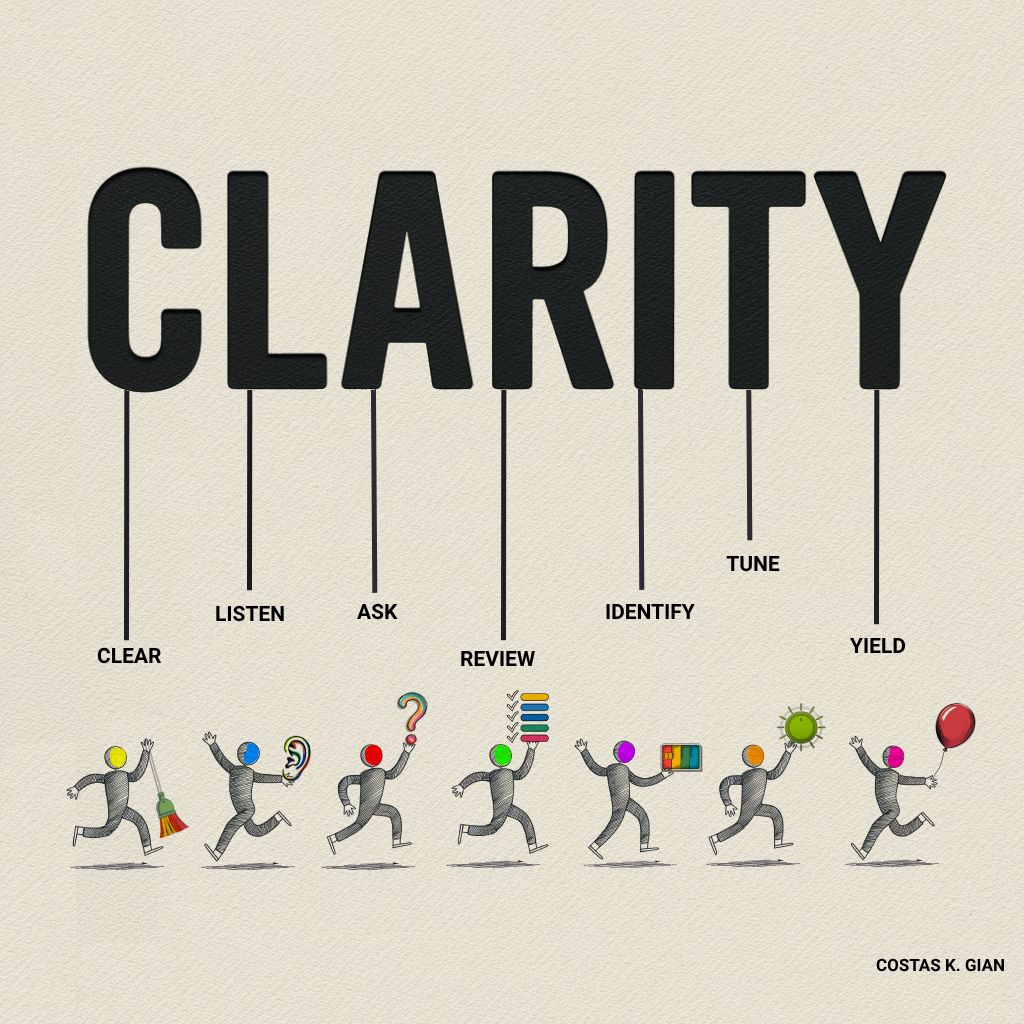
First thing I noticed: people ramble. So I tried to
cut the fluff.
No more long paragraphs when a few bullet points would do. I started forcing myself to get straight to the point. If I had a question, I’d ask it directly. If I had a task for someone, I’d say “Hey [Name], can you please [Action] by [Date]?” It felt a bit rigid at first, but people actually started responding correctly!
Then, the formatting. Oh man, the formatting. Walls of text just don’t get read. I started
using bold text for key points
and
bullet points for lists.
Even just hitting enter a few times to break up sentences into shorter paragraphs made a huge difference. I stopped just dumping everything into one giant blob of text. I literally would go back and edit my own messages before sending them, just to make them visually easier to digest. It was all about making it simple on the eyes.
Another big one was
stating the main reason for the message right at the start.
Instead of beating around the bush, I’d open with, “Quick update on the garden project:” or “Need your thoughts on this:” It immediately set the context. People didn’t have to read five lines to figure out why I was even messaging them. It saved so much time and prevented so many “What’s this about?” replies.
And this one was a game-changer for getting things done:
clearly defining next steps.
I realized if I just said, “Someone should do this,” it meant nobody would do it. So I started assigning tasks explicitly. “John, please research types of soil. Mary, can you draft a schedule for watering?” And I always tried to add a deadline, even a soft one. “By end of day tomorrow,” or “Sometime this week.” It transformed wishful thinking into actual action items.
What I Learned and How Things Changed
Applying these things felt clunky at first. I felt like I was overthinking every message. But slowly, it became second nature. And the results? They were pretty amazing. The garden project started moving. People knew what they needed to do. Questions got answered faster. Misunderstandings dropped way down. The group chat, which used to be a swamp of noise, became a clear channel for getting stuff done.
I’m telling you all this because I went through that frustrating grind of digital miscommunication. I felt that pain of trying to organize something and watching it fall apart because no one was on the same page online. It wasn’t some fancy training or a seminar. It was just me, staring at my screen, getting fed up, and figuring out simple, practical ways to make sense of the mess. And believe me, if I can figure this out, anyone can. It’s not magic; it’s just a handful of straightforward habits that make a world of difference.
- Be Direct: Say what you mean, no beating around the bush.
- Format for Readability: Use bold, bullets, and short paragraphs.
- State Your Purpose: Open with why you’re writing.
- Assign Actions Clearly: Who, what, and when.
- Follow Up Systematically: Don’t leave things hanging in the air.
That’s what I learned, just by getting my hands dirty and trying to fix a messy situation. It really showed me that making things clear online doesn’t need to be complicated; it just needs a bit of thought and discipline.