
You know, for a long time, I always thought I had to figure everything out on my own. Whether it was fixing a leaky faucet or trying to kick off some big personal project, my first instinct was always to lock myself in a room, hit the books, and just grind it out. That was my way. And yeah, sometimes it worked, mostly on the smaller stuff. But then, you hit a wall, don’t you? A real, solid, brick-and-mortar kind of wall.
I remember this one time, it wasn’t even that long ago, I decided to tackle a huge renovation in the old back shed. Not just a lick of paint, mind you. I mean, we’re talking knocking down walls, redoing the electrical, adding proper insulation, turning it into a proper workshop. I had sketches, I had a pile of YouTube tutorials bookmarked, and I had a whole lot of gumption. Thought I was hot stuff, ready to conquer the world with a hammer and a saw.
Boy, was I wrong.
I started tearing things apart, pulled out the old rotten wood, cleared out decades of junk. Felt good, felt productive. Then came the framing. I tried to measure and cut, but things just weren’t lining up. My corners were off, my angles were wonky, and no matter how much I tweaked it, it just looked… crooked. And the electrical? Forget about it. I stared at those wires, red and black and green, and my brain just froze. I knew enough to know I could burn the whole place down if I messed it up.
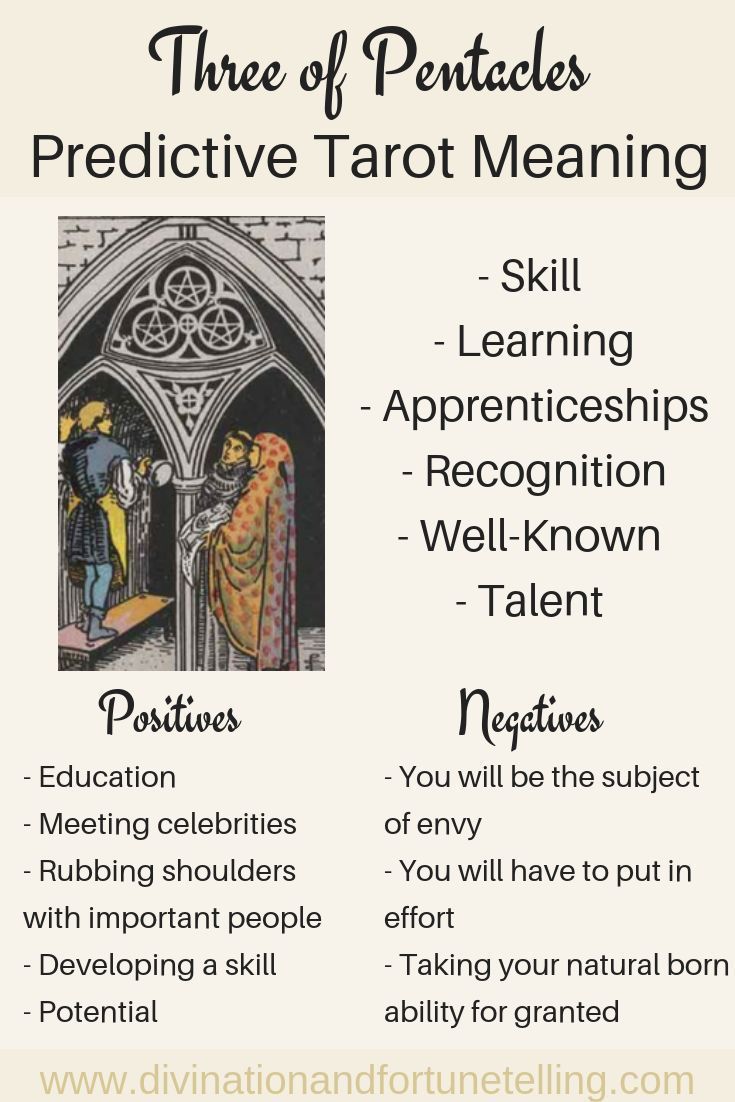
I distinctly remember standing there, covered in sawdust, a broken tape measure in my hand, just staring at this half-demolished shed. It wasn’t just crooked; it felt like my whole plan for the future of that shed was falling apart. That’s when it really hit me: this wasn’t a solo gig. This wasn’t some little DIY project where a bit of elbow grease would fix everything. This needed serious hands. It needed people who knew their trade inside out, not just someone who watched a few videos.
So, I swallowed my pride. Hard. I started making calls. First, I talked to old man Johnson down the road. He’s been a carpenter since before I was born. I showed him my pitiful attempts, and he just chuckled, a real belly laugh. But he didn’t mock me. He came over, walked around, poked at my framing, and just started talking. Not lecturing, just sharing what he knew. He pointed out where the load-bearing was wrong, how I needed to brace things, the right way to plumb a wall. He even showed me a trick with a string line and a level that made perfect sense, something YouTube never showed me.
Next, I got a recommendation for an electrician, a young guy named Mike. He came with a toolkit that looked like it belonged in a science lab. He saw my tangle of wires, shook his head, and in about two hours, he had a proper junction box installed, everything labeled, and a temporary light working. He explained the code, told me why I needed certain breakers, and answered every dumb question I had without making me feel dumb.
And for the plumbing, I tracked down a semi-retired fellow, Frank, who used to work for the city. He had this quiet, methodical way about him. He drew out a simple diagram for the water lines, showed me how to sweat copper pipes – which, by the way, is a whole art form – and made sure every joint was tight and secure. He even taught me about proper drainage and why sloped pipes are crucial.
What happened over the next few weeks was… eye-opening. It wasn’t just about them doing the work. It was about us working together. I wasn’t just standing around. I was their gopher, I held boards, I cleaned up, I listened. I learned so much just by being present, watching these masters at their craft. Johnson would tell me, “See this joint? This ain’t just two pieces of wood. This is gonna hold the roof for fifty years. You gotta respect that.” Mike would explain the flow of current, making it sound almost poetic. Frank would show me how to test for leaks, patiently waiting for me to understand.
There was a real rhythm to it. Each person knew their piece, knew how it fit into the bigger picture. We’d bounce ideas off each other. “Hey, Johnson, if we put that window here, it’ll make Mike’s electrical run easier, right?” “Yeah, but then Frank’s sink drain might hit that beam.” It was a constant dance of skill and communication, of respect for each other’s expertise.
When that shed was finally done, it wasn’t just a shed. It was a proper, sturdy, beautiful workshop. Every piece of wood was solid, every wire was neat, every pipe ran true. And it felt like our accomplishment, not just mine. It had a different kind of life to it, a different energy.
And that’s when I really started to get it, about the future. It’s not just about one person’s vision, or one person’s grind. The real, solid, long-lasting future? It’s built with hands that know what they’re doing, working side by side. It’s about recognizing that you’ve got a role, but so does everyone else. And when you bring those skilled roles together, when you respect each other’s craft and you build something piece by piece, that’s when you lay down a foundation that truly holds up. That’s when you build something that doesn’t just work now, but has the bones to keep going, to adapt, to grow. It’s a future that’s strong because it wasn’t built by just one hero; it was built by a team of masters, even if they were just old men from down the road.