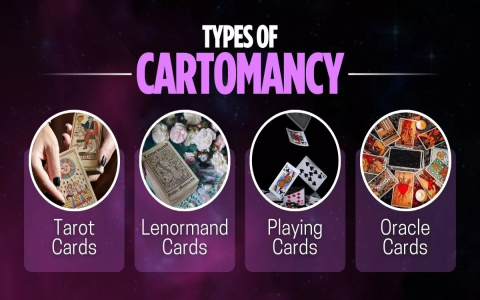
Man, sometimes you just hit a wall, you know? Not a physical one, but that kind where your brain just goes blank, and you’re spinning your wheels trying to figure out what’s next. That’s exactly where I landed a few months back. I was wrestling with some decisions, nothing life-or-death, but enough to make me feel a bit… unmoored. And then, like a whisper in the wind (or, more accurately, an ad banner on a site I was browsing), I saw it: “Free Cartomancy Reading Online! Unlock Your Future!”
My first thought was, “Nah, that’s just silly.” But the seed was planted. I kept seeing those ads, and my curiosity, a really stubborn old friend, just wouldn’t let it go. Eventually, I caved. “What’s the harm?” I mumbled to myself, firing up my old workhorse laptop. I figured, worst case, I’d get a laugh. Best case? Maybe a tiny nudge in the right direction, a word or two that would snap things into focus. Call it desperation, call it boredom, call it a healthy dose of skepticism with a sprinkle of hope.
I typed “free cartomancy reading” into the search bar, and boom, a whole parade of websites popped up. Some looked super mystical, all dark backgrounds, shimmering cards, and promises of ancient wisdom. Others seemed a bit… clunky, like they were designed in the early 2000s. I started clicking around. My first stop was a site that boasted a “three-card spread for immediate insight.” Sounded simple enough.
I landed on their page, and it asked for my first name and birth date. Nothing too heavy, so I plugged it in. Then, the big show began. “Click to shuffle your cards!” A digital animation started, cards flying around the screen in a whirlwind. Honestly, it felt a bit like a cheap carnival game. After the “shuffle,” it instructed me: “Now, choose three cards for your past, present, and future.”

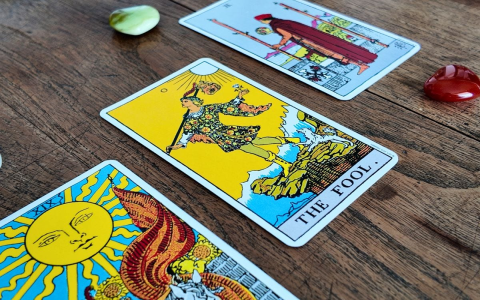
So, I did it. I clicked on three cards from the virtual deck. One by one, they flipped over, revealing an image and a short description. The first card popped up, and then a paragraph of text explaining its meaning in the “past” position. I read it, scratching my chin. It was pretty general, talking about a time of transition and learning from old mistakes. I thought, “Yeah, I guess that kinda fits. Who hasn’t had that?”
The second card, the “present,” spoke of facing challenges and finding inner strength. Again, very broad. Most people are probably facing some kind of challenge, right? The third card, the “future,” offered promises of new opportunities and personal growth. My initial reaction? It felt like reading a horoscope column in an old newspaper. Vague enough to apply to almost anyone, yet specific enough in its language to make you feel like it might be talking about you.
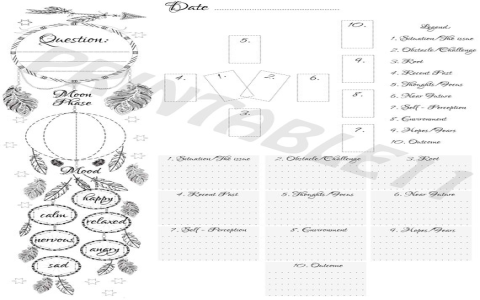
I closed that tab and decided to try another one. Maybe that site was just a dud. This next one looked slicker, more modern. It had a different spread, maybe a “Celtic Cross” or something fancy like that, requiring me to pick ten cards. My hand was cramping from all the clicking, but I went through the motions again: enter info, click to shuffle, pick ten cards.
This reading was even longer, a whole screen full of text. It delved into my hopes, fears, external influences, outcomes – the works. And again, same feeling. It was laced with encouraging words, warnings about being vigilant, and assurances of potential success. It felt like a perfectly crafted piece of generic advice, applicable to a vast swathe of the population. It was cleverly written, no doubt about that. It mirrored human concerns, dressed them up in mystical language, and presented them as profound insights.
What I noticed on both sites, and several others I briefly checked out, was the inevitable upsell. After the “free” reading, there was always a prominent button or a pop-up saying something like, “Want a deeper, personalized reading with a live cartomancer? Only $*!” Or “Unlock your full potential with a premium subscription!” That’s where the “free” part ran out pretty fast. It was clearly a lead magnet, a way to reel you in and then push you towards a paid service.
I sat back, staring at the screen, running the whole experience through my head. Was it legit? Could a few clicks on a website, generating pre-written text based on virtual card picks, truly tap into some mystical truth about my life? My gut screamed no, and my brain, after some rational thought, agreed. It felt like a well-executed magic trick, a bit of psychological manipulation designed to make you feel seen, even when the “seeing” was utterly generalized.
It didn’t give me any specific answers to my real problems. It didn’t tell me whether I should take that new opportunity or stick with the old one. It didn’t offer any concrete guidance that I couldn’t have gotten from a fortune cookie, or frankly, from just sitting down and having a good, hard think about things myself. What it did do, though, was perfectly highlight how easy it is to fall into the trap of looking for external answers when you’re feeling a bit lost.
So, is online cartomancy legit? For actual, genuine insight into your future or guidance for complex problems? Nope, I wouldn’t put my money on it. It felt like playing a digital game with some flowery narrative. It’s designed to give you a momentary sense of wonder or validation, and then gently nudge you towards opening your wallet. As an experiment in marketing and human psychology, it was fascinating. As a tool for true divination, it fell completely flat.
I guess what I learned is this: when you’re looking for answers, sometimes the best place to start isn’t a mystical website, but just a quiet room and your own two ears. Or maybe a chat with a trusted friend. Those usually offer a lot more clarity than any online shuffle and click could ever hope to provide.