Man, sometimes you just hit a wall, you know? Like, you’re looking at a situation, and it just feels like you’re stuck in thick mud, no way out. That’s how I was feeling a few months back. I had this thing going on at work, a big project that just wasn’t moving. Every angle I tried, every conversation, it just felt like I was pushing against a brick wall. And honestly, it wasn’t just work; it kinda spilled over into my whole vibe. Just felt heavy, like a really dark cloud hanging over everything.
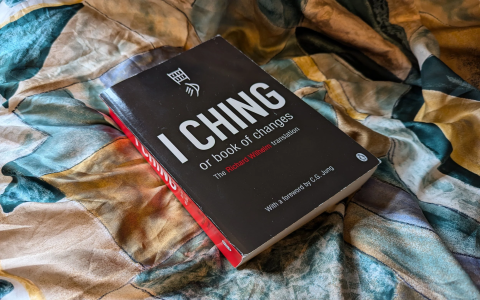
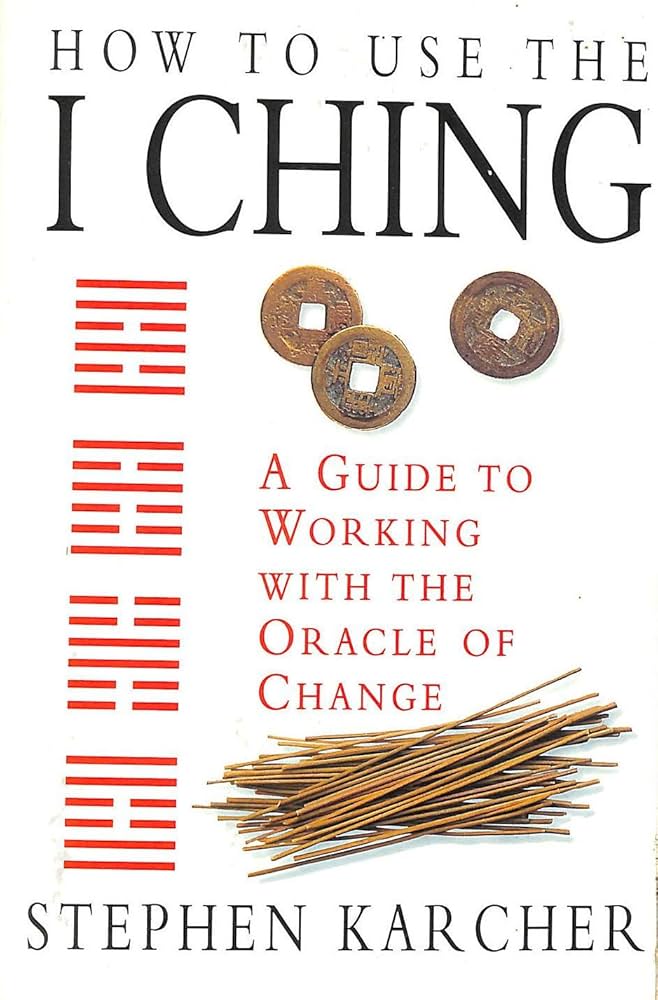
I’ve always been a bit of an explorer when it comes to figuring stuff out, not just with logic, but with… well, other ways of seeing things. I had this old, dusty I Ching book on my shelf, one of those weighty, serious-looking ones that always intimidated me a bit. I’d dabbled before, ages ago, but never really got it, felt like it was too obscure, too poetic. But this time, something was different. I was desperate for some kind of insight, any kind of crack in the wall. So, I grabbed it.
I remember sitting there, late one night, the house quiet, just me and that book. My brain was buzzing with all the project headaches. I just needed to know: what the heck do I do about this mess? Is there even a way out? That was my question, pure and simple. I didn’t try to make it fancy, just what was truly pressing on my mind.
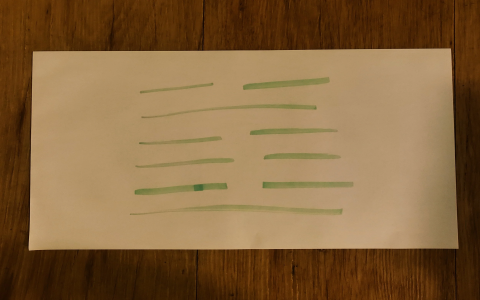
I decided to use the three-coin method. It felt direct, less fussy than the yarrow stalks, which I’d tried once and got totally tangled up in. I dug around in my change jar for three identical coins, found three old quarters. I took a few deep breaths, kinda centered myself, and really focused on that question. I closed my eyes, held the coins in my hands, rubbing them together, feeling their weight. I whispered my question to myself, really putting all that frustration and hope into it. Then, I tossed them, six times, one after another, writing down the lines as they came up. It felt… deliberate. Like I was performing a small ritual, just for me.
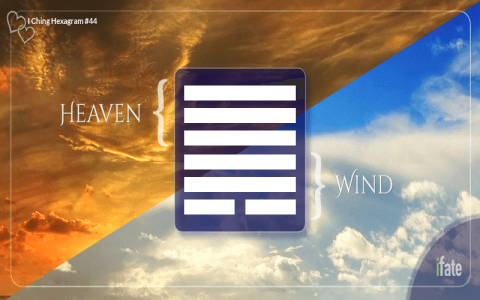
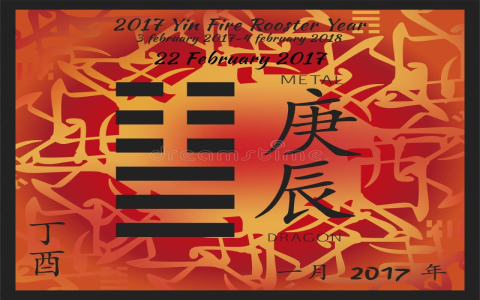
When I finished, I looked down at the lines I’d drawn. I put them together, one on top of the other, and traced out the hexagram. My first reaction was just a blank stare. Then I flipped to the back of the book, found the section for it, and there it was: Hexagram 40. Liberation. Deliverance.
My Journey with Hexagram 40: Getting Unstuck
Now, usually, I’d read those big, overarching titles and just be like, “Okay, great, but what does that mean for my stupid project?” But this time, I forced myself to slow down. I started reading the Judgment, then the Image, and then the individual lines. I didn’t try to overthink it at first, just let the words wash over me. It talked about “thunder and rain beginning” and “action brings good fortune.” It said something about finding release after difficulty, about not clinging to old problems, but moving forward. It mentioned clearing obstacles, but also about not getting trapped by new entanglements once free.
The core message that punched me in the gut was about acting decisively to cut free from what’s holding you back. It wasn’t about avoiding the problem, but about confronting the “prison” I was in, and making a break for it. It also warned against getting bogged down immediately in new struggles. That really hit home because I tend to jump from one problem-solving marathon straight into another without a breather.
I chewed on this for a couple of days. I kept re-reading the lines, looking for echoes in my own situation. The project felt like a tangled knot. My usual approach was to try to untie every single strand, painstakingly. But the I Ching, especially with Hexagram 40, felt like it was telling me: “Man, sometimes you just gotta cut the rope.”
So, I thought about what that “cutting the rope” meant for my project. It wasn’t about quitting, because that wasn’t an option. It was about shifting my strategy, maybe even my perspective on who needed to solve it. I realized I was trying to carry too much of the burden myself, trying to fix everyone else’s part of the puzzle. I was trapped in my own assumption that I had to be the one to solve every piece.
The “Liberation” part started to click. It wasn’t just about the project being liberated from its deadlock, but me being liberated from my own internal handcuffs. I decided to change my approach. Instead of trying to smooth over every friction point myself, I started delegating more aggressively. I called a meeting, not to dump work, but to clarify ownership. I literally went around the table and said, “Okay, for this piece, you own it. For that piece, you do. My role is to coordinate, not to execute every single task.”
It sounds simple, right? But for me, it was a huge mental shift. I let go of the need to control every little detail. I trusted my team more. I stepped back from trying to fix everyone’s problems and focused on guiding the overall direction. It felt… lighter. Like a heavy weight had been lifted off my shoulders.
And you know what happened? Slowly, but surely, the project started to move. Those individuals I had clearly designated as owners, they stepped up. Bottlenecks started clearing because the responsibility was undeniable. The “thunder and rain” felt like the difficult conversations, the clear directives, the shaking things up. And the “action brings good fortune”? It truly did. We hit our milestones. The project, which had felt like an endless quagmire, found its footing.
This experience, getting Hexagram 40 right when I needed it most, really hammered home the power of this old book. It wasn’t magic, not really. It was more like a mirror, reflecting back what I already knew deep down, but was too stubborn or scared to admit. It nudged me to see the path to freedom that was right there, just obscured by my own habits and fears. It taught me that sometimes, to get clear guidance, you gotta be willing to look in unexpected places, and then, most importantly, you gotta be brave enough to act on what you see. It was a true liberation, not just for the project, but for my own mindset.