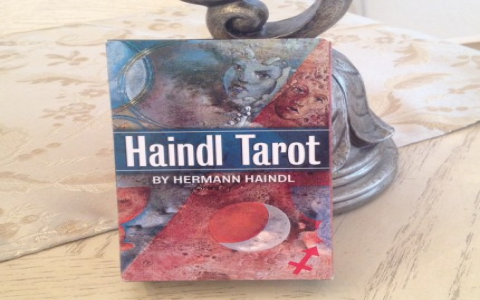
Man, so I stumbled onto this whole I Ching Tarot thing a while back, feeling a bit adrift, you know? Life was throwing curveballs, and I was looking for… something. Anything, really, to get some perspective. I’d messed around with regular Tarot a bit, just basic stuff, but then I saw this deck online, labeled “I Ching Tarot,” and my brain just went, “Huh, what even is that?” I was intrigued, confused, and a little skeptical, all at once.
I went ahead and bought the deck, just on a whim. It arrived, and it was beautiful, but also kinda overwhelming. You got the regular Tarot imagery, but then these hexagrams and lines mixed in, and a whole different vibe to the numbers. I pulled my first few cards, and honestly, I was lost. The little booklet that came with it was okay, gave me some keywords, but it didn’t really click. I’d look at a card, read the booklet, and still feel like I was missing the real meat of it. It was like trying to understand a whole new language with just a mini-dictionary.
That’s when I thought, “Alright, if I wanna get anything out of this, I gotta build my own darn dictionary.” I mean, seriously, how else was I gonna make sense of all this gibberish? So, I decided I was going to pull a card every single day. Just one. And not just pull it, but really sit with it.
My Personal Diving Deep Process
I grabbed an old spiral notebook first. My plan was simple, or so I thought.
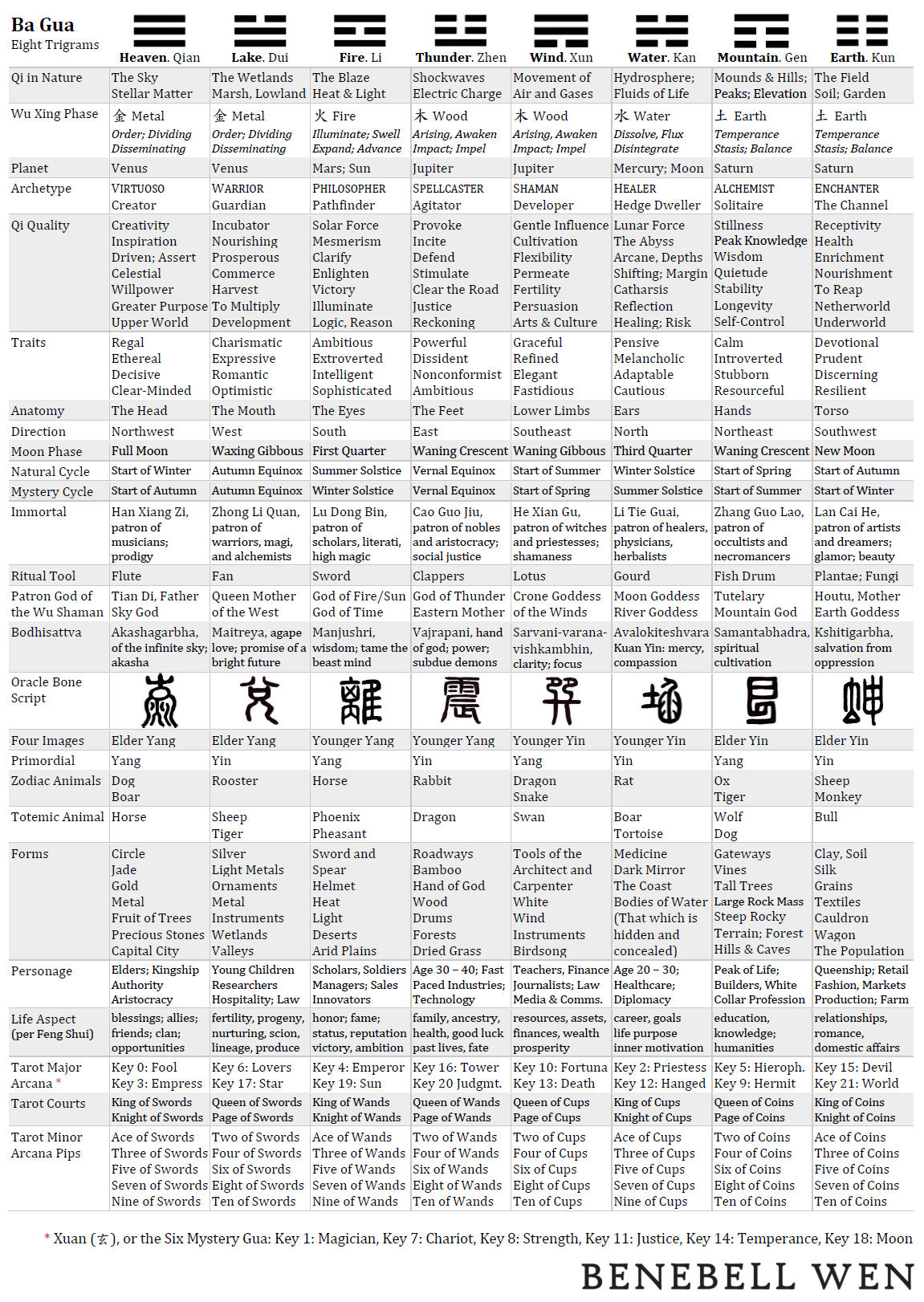
- Every morning, I’d shuffle the deck, really focus on a question for the day, or just ask “What do I need to know?” Then I’d pull one card.
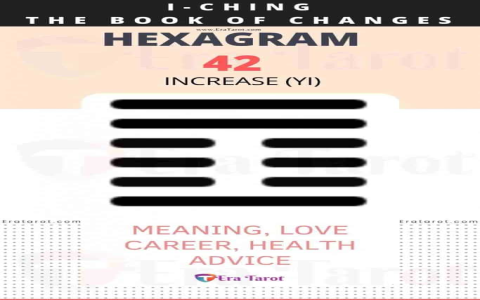
- First thing I did was write down the card’s name. Like, if it was “Two of Coins – Harmony,” I’d jot that down. And then the hexagram number and its name, too.
- Then, I’d just look at the image. Really stare at it. What did I feel? What immediate thoughts or sensations did it bring up? I didn’t censor anything. I’d scribble down words, phrases, even random images that popped into my head. “Feels like juggling,” “too much going on,” “finding balance,” “that dude looks stressed but also kinda chill.”
- After that initial brain dump, I’d crack open the tiny guidebook. I’d read its official blurb. Just that. No more. And then I’d write that down. verbatim, just to have it for reference.
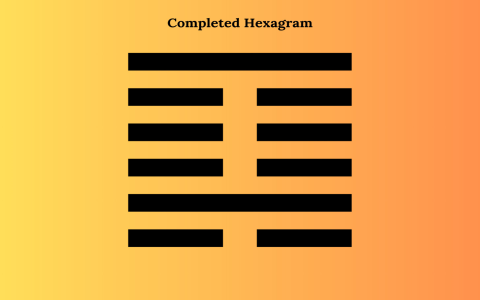
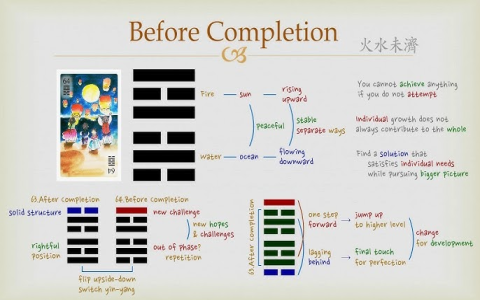
- Here’s the kicker: I then opened up an I Ching app on my phone. I’d find the hexagram associated with the card and read its general meaning. Then, I’d try to find meanings for the changing lines too, if the card had one. I’d try to see how the I Ching wisdom connected to the Tarot image and my initial feelings. Sometimes it was obvious, sometimes it was a stretch. I’d write down the key phrases from the I Ching that resonated.
- Finally, I’d tie it all together. What did all this mean for me, right then, that day? How did my initial gut feeling, the Tarot guide, and the I Ching hexagram all weave into a single narrative? This was the hardest part, making it truly personal. I’d write a few sentences explaining what I felt the card was trying to tell me about my situation or my outlook.
I kept this up for weeks, then months. My notebook started getting full. It was a mess of scribbles, underlines, stars, and questions marks. Sometimes I’d go back and add to an entry if something happened later in the day that clearly mirrored the card’s message. This process, man, it really started to build something concrete in my head. I began to see patterns, feel the energy of certain cards even before I read them. It became less about memorizing and more about understanding the underlying currents.
After a while, the notebook felt too clunky, and I couldn’t search through my own notes easily. So, I typed everything up. I made a huge document on my computer. I organized it by card name, then by hexagram number. I kept refining those summaries, adding more of my own insights as I gained experience. It wasn’t perfect, but it was my consolidated knowledge, my personal “all meanings here” for this specific deck. It became my go-to reference, way more useful than any generic book because it was built on my direct interactions and insights.
It’s still a living document, honestly. Every now and then, I’ll pull a card I thought I knew inside out, and it’ll hit me differently, showing a new layer of meaning. And I’ll go back and update my file. That’s how I built this whole thing, brick by brick, just pulling cards and trying to make sense of the world, one line and one image at a time. It’s been a crazy ride, but totally worth it for the clarity it’s brought.