Alright, let’s talk about change, yeah? Not just any change, but the kind that really settles deep down, the stuff that transforms you from the inside out. I remember a few years back, things felt a bit… stuck. You know the feeling? Like you’re stirring the same old soup, but nothing’s really getting cooked right. That’s when I stumbled into the I Ching, or the Book of Changes, as some folks call it. It wasn’t something I went looking for, really. More like it found me when I needed it.
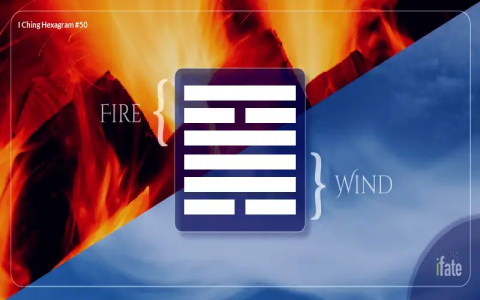
I was just browsing online, probably looking for some cheap thrills or something, and somehow, I landed on a site talking about ancient wisdom. It felt a bit out there, honestly, but something just clicked. I kept seeing references to these “hexagrams,” and one, in particular, kept popping up in my mind: Hexagram 50. The Cauldron. Didn’t make much sense at first – a cauldron? What’s that gotta do with my life, right?
But the more I dug into it, the more it started to resonate. They said Hexagram 50, or “Ding” as it’s known in Chinese, is all about transformation and cultural refinement. It’s like, you take raw stuff, put it in this vessel, add some fire, and boom, it becomes something nourishing. Not just food, but wisdom, spirit, all that good stuff. It got me thinking about my own life. What was I putting in my cauldron? What fire was I using? And was it actually cooking anything good, or just burning the bottom?
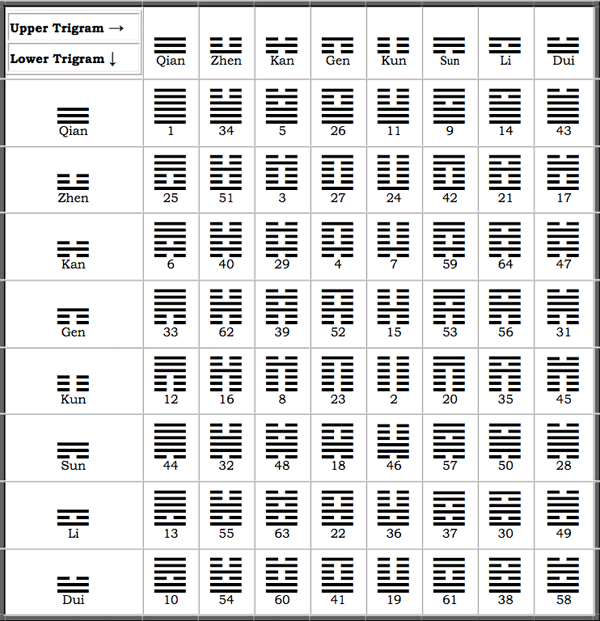
So, my journey with Hexagram 50 started with a big question mark. I dove headfirst into trying to understand what it really meant. I’d read bits here and there, piece things together. It’s got this image of fire over wind, right? That’s like the perfect setup for transformation, fire being fanned, getting things hot and moving. It made me realize that to truly change, you can’t just wish for it. You gotta put in the work, turn up the heat, and let the process happen.
One of the first things that hit me was the idea of nourishment. It’s not just about eating good food, but feeding your mind, your spirit, your whole being. I started looking at everything differently. What podcasts was I listening to? What books was I reading? Who was I spending my time with? Were these things nourishing my cauldron, or were they just junk that was gonna make a mess?
I realized I had a lot of “raw ingredients” in my life that weren’t really transforming into anything useful. My thoughts, for example. A real jumble sometimes, full of old habits and fears. Hexagram 50 taught me that the cauldron isn’t just about cooking; it’s about refinement and distillation. It’s about taking those raw experiences and turning them into real wisdom. This meant I had to start reflecting more, actually sitting down and thinking about stuff instead of just reacting all the time. Journaling became a big thing for me then. Just writing down what was stirring in my head, trying to make sense of it all.
The Nitty-Gritty of My Transformation
This wasn’t some overnight magic trick, mind you. It was a slow burn, pun intended. I started applying the principles I was grasping from Hexagram 50 in practical ways. Here’s what I truly learned:
- Cleaning the Cauldron: The I Ching talks about an overturned cauldron, or having to correct its position. This hit home hard. I had to face some ugly truths about myself, some old habits, some ways of thinking that were just holding me back. It felt like flipping a big, heavy pot and cleaning out all the grime that had built up. It wasn’t pleasant, but damn, it was necessary. I had to let go of old ideas that weren’t serving me anymore.
- Filling it Right: Once I cleaned it out, I had to be intentional about what I put back in. Hexagram 50 talks about a cauldron full of food, representing an abundance of resources. I started deliberately seeking out new knowledge, learning new skills, even just trying new recipes. It wasn’t about hoarding, but about gathering quality ingredients that could truly be transformed. This also meant surrounding myself with good people who actually supported my growth, not those who just drained my energy.
- Controlling the Heat: The fire is crucial. Too hot, you burn everything. Too low, nothing cooks. This was about finding balance. I used to be all or nothing, burning myself out or doing nothing at all. This hexagram taught me about patience and consistent effort. Small, steady steps towards self-cultivation, rather than big, unsustainable bursts. When a line in the hexagram talks about rings changing or a broken leg, it warns about resistance to change or temporary setbacks. I learned to not freak out when things didn’t go perfectly, but to ride out the rough spots and reevaluate.
- Sharing the Nourishment: This was a big one. The cauldron is not just for personal consumption; it’s about sharing and distributing the refined sustenance. Once I started feeling more centered and nourished, I felt this urge to share. That’s actually why I started this blog, to be honest. To talk about my experiences, the messy bits and the good bits, and hopefully, someone else finds something useful in my shared pot.
Honestly, understanding Hexagram 50 wasn’t just some abstract philosophical exercise. It was a practical guide for how to navigate my own messy life. It pushed me to look inward, to refine my character, and to understand that transformation isn’t an end goal but a continuous process of cooking, tasting, and re-calibrating. It’s about being the chef of your own destiny, and let me tell you, it’s a lot tastier than the burnt messes I used to make.