Man, let me tell you, sometimes life just throws you into situations where you have to figure stuff out with other people, even if you’d rather just do it all yourself. That’s exactly what happened a while back when I got roped into this massive community project. We were trying to build this really cool, elaborate new stage setup for the annual town fair, and it was way bigger than anything we’d ever tried before.
I remember looking at the blueprints – well, more like hand-drawn sketches – and just thinking, “How in the world are we going to pull this off?” It needed carpentry, painting, some crazy electrical stuff for the lights, and even a bit of artistic flair for the backdrop. And all we had was a bunch of enthusiastic but totally disparate volunteers, each with their own idea of how things should go. It was a proper mess at the start, honestly.
When we first gathered, it was like a bunch of chickens with their heads cut off. Everyone was buzzing, everyone had an opinion, but nobody was really listening. Old man Jenkins, who fancies himself a master carpenter, was barking orders about wood joints, while Martha, bless her artsy heart, was already envisioning glitter bombs and neon paint. Me? I was just trying to find where they put the hammer. It was chaos, pure and simple. We spent the first hour just tripping over each other and having mini-arguments about the smallest things.
Finding Our Rhythm, Bit by Bit
After that initial fumbling, someone, I think it was Brenda from the bake sale committee, actually stepped up and said, “Hold on, folks! We need a plan. And we need to figure out who’s good at what, right?” And that, in hindsight, was the turning point. It was like a lightbulb went off for all of us.
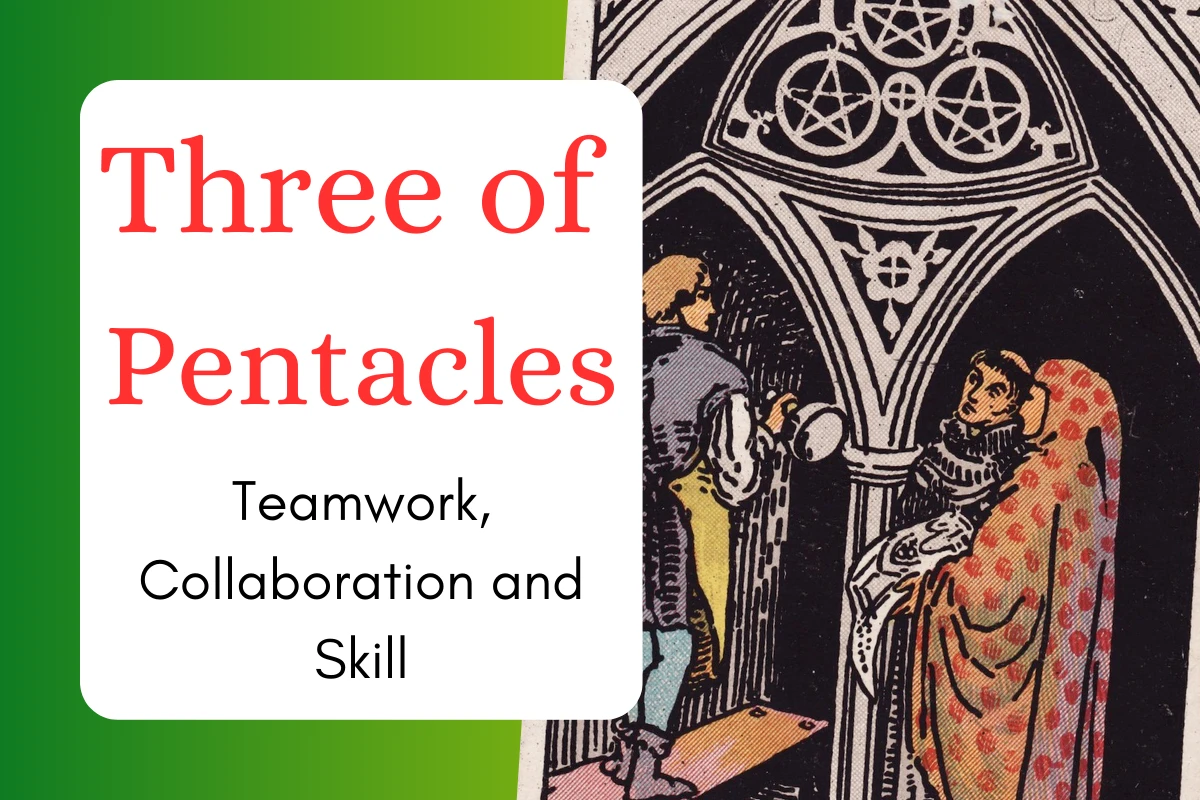
We started by literally just going around the circle. Each person talked about what they thought they were good at, or what they wanted to do. It was pretty basic, but it laid out the foundation. Jenny, who works at the local hardware store, turned out to be amazing at organizing materials and keeping track of our budget – something nobody else even thought about. Mark, who’s usually quiet, admitted he was pretty handy with wiring because of his old job. And Martha? She really was good with the artistic stuff, even if her glitter ideas were a bit much sometimes.
So, we started assigning roles based on these strengths. It wasn’t perfect, but it was a start. Jenkins, of course, took charge of the main carpentry. Mark got the electrical. Martha got a small team for painting the backdrop, with a clear instruction to tone down the sparkle a notch. And I, well, I ended up as a general gopher and assistant to pretty much everyone, which actually gave me a fantastic overview of the whole project.
The Real Work: Learning to Sync Up
But just having roles wasn’t enough. The real challenge was making sure everyone’s piece fit together. I saw it firsthand when Jenkins was trying to build the main frame. He needed a specific sized beam, but the guy sawing the wood kept cutting it wrong. It wasn’t because he was bad at it, but because Jenkins hadn’t explained why that specific size was crucial, or what the next steps were for that beam. The communication was broken.
What we learned to do was pretty simple, but effective:
- Talk it out, constantly: We started having quick huddles every morning. Not long, boring meetings, just five minutes to say, “Here’s what I’m doing today, here’s what I need, here’s what I finished yesterday.” It helped everyone know where things stood.
- Show, don’t just tell: Instead of just saying “cut this,” Jenkins would now bring the blueprint and point, explaining the whole support structure. Martha would sketch out her ideas for the backdrop and get feedback before she started painting. It made a huge difference.
- Respect everyone’s craft: This was a big one. At first, there was a bit of “my job is more important than yours” vibe. But then we saw how everything was interconnected. If Mark didn’t get the lights wired right, the stage was just a bunch of wood. If Martha’s backdrop wasn’t eye-catching, the whole thing would look dull. We started appreciating each other’s expertise.
- Help where you can, even outside your “job”: There were times when the painters were ahead, so they’d jump in to help sand wood. Or Jenny, after sorting materials, would grab a broom and clean up. It wasn’t about sticking strictly to your lane; it was about getting the whole thing done.
There was this one particularly tricky part where the main arch for the stage wasn’t lining up right. Jenkins was pulling his hair out. Martha suggested we try using a temporary support from the painting area to hold it in place while the bolts went in. It was completely outside her “artist” role, but it worked perfectly. That’s when it really clicked for me: true teamwork isn’t just about doing your part; it’s about seeing the bigger picture and contributing where the project needs you most, even if it’s not “your” specialized task.
The Final Curtain
By the time the fair rolled around, that stage was incredible. Seriously, everyone in town was talking about it. It wasn’t just a stage; it was a testament to what a bunch of regular folks, with very different skills and personalities, could achieve when they actually worked together. We weren’t just individuals doing tasks; we were a proper crew, a single unit. It felt pretty awesome to stand back and see that thing, knowing every nail, every brush stroke, every wire, had been a collaborative effort.