You know, life just keeps throwing curveballs, doesn’t it? For a long time, I was one of those folks who just wanted to see the good in everyone. Always gave folks the benefit of the doubt, always figured they meant well, even when things went sideways. Turns out, that’s not always the smartest way to go about things. I learned that lesson the hard way, many times over. It wasn’t about people being inherently bad, no, not at all. It was more about certain ways of being, certain patterns of behavior that just… well, they can complicate things like you wouldn’t believe. I started piecing it all together after a string of situations that left me scratching my head, wondering what the heck just happened.
I remember one stretch, about five or six years back, when it felt like I was just constantly trying to bail water out of a sinking boat that wasn’t even mine. It wasn’t a job thing, more like a collective of folks I was involved with – some projects, some shared living, just general life entanglement. That’s when I really started to clock these five particular traits that, man, they can really get you into a bind if you’re not careful. It wasn’t a sudden revelation, more like a slow burn, seeing the same sorts of issues pop up again and again, and finally connecting the dots. It became clear to me that sometimes, you just gotta know what to watch out for to keep your own head above water.
The “Promise the Moon, Deliver Dust” Game
First up was this whole habit of just living in la-la land. I saw it happen so many times. Someone would get super excited about an idea, a project, a plan. They’d paint these incredible pictures, grand visions that made you think, “Wow, this is gonna be huge!” And I’d get swept up in it, you know? Started putting in hours, planning things out, getting all my ducks in a row. But then, when it came down to actually making things happen, when the real grit and grind showed up, they’d just… vanish. Not literally, maybe, but mentally. They’d retreat into their own heads, making excuses, or just acting like it never even mattered. I watched so many potential opportunities just fizzle out because the moment things got tough or slightly inconvenient, the person just checked out. It was frustrating because you’d invest your time, your hopes, your energy, and then it would all just dissolve. It taught me to look for actions, not just pretty words. If it’s always a grand dream with no concrete steps, I learned to just nod and keep my expectations low.
Walking on Emotional Eggshells
Then there was the intense emotional current. Man, sometimes it felt like every little thing was a massive crisis. A tiny misunderstanding? Full-blown meltdown. A slight change in plans? The end of the world. It felt like I was constantly tiptoeing around, trying not to upset anything, trying to predict what minor event would trigger a huge reaction. It wasn’t about genuine sadness or anger, which everyone feels, but an almost overwhelming flood of emotion that seemed disproportionate to the situation. It made simple communication incredibly difficult. You couldn’t just have a straightforward conversation because everything got filtered through this heavy emotional lens. I found myself censoring what I said, not because I was trying to be deceitful, but because I just didn’t have the energy to deal with the inevitable drama that would erupt from a simple, direct statement. It was draining, honestly. You just want to talk things through, but instead, you’re navigating a minefield.
The Perpetual “Maybe” Loop
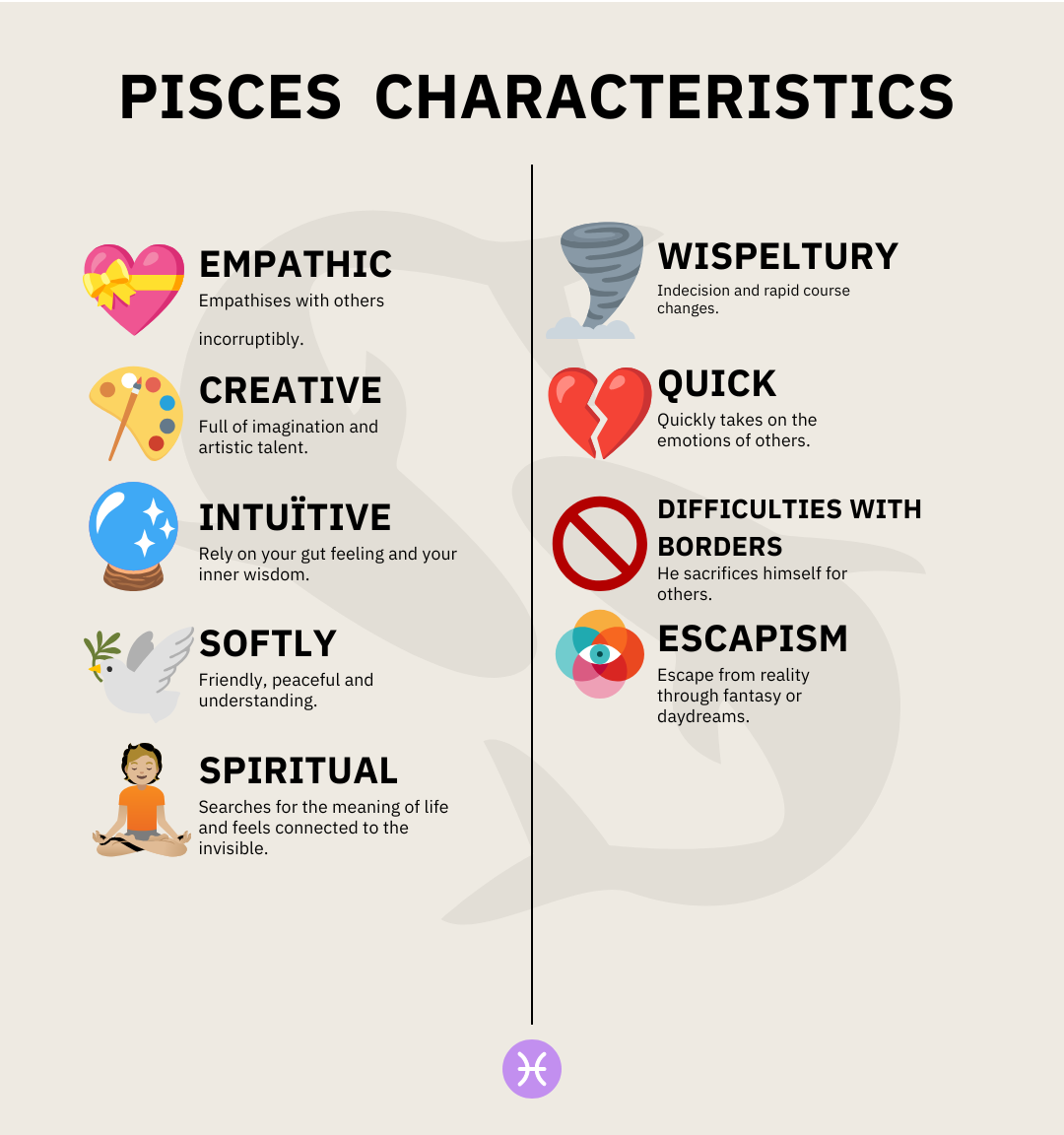
Oh, the indecisiveness! This one drove me absolutely nuts. Trying to make a decision with someone who had this trait was like trying to nail jelly to a wall. “Should we do X or Y?” “Hmm, I don’t know, what do you think?” “But what if X is better?” “Yeah, but Y has this…” And it would just go round and round. For hours. Days even. Simple choices became monumental tasks. Trying to plan something, anything, was a nightmare. I’d try to push for an answer, try to list pros and cons, but they’d always find a way to hover in the middle, unable to commit. It cost a lot of time, a lot of missed opportunities because we just couldn’t land on a firm decision. Projects stalled, plans changed last minute, or things just never got off the ground because the final “go” signal never came. I realized that sometimes, no decision is a decision, and it’s usually not a good one.
The “Woe Is Me” Syndrome
This one was a real energy sink. I encountered folks who seemed to have a permanent cloud over their head, and everything, absolutely everything, was happening to them. They were always the victim, always suffering, always being wronged. No matter what good things happened, or what advice was given, or what effort was made to help, it always circled back to their misfortune. It wasn’t about genuine hardship, which we all face, but a constant, almost performative, self-pity that sought sympathy and attention. It got to the point where any conversation would inevitably steer towards their personal tragedy, making everyone else feel guilty or helpless. You’d find yourself mentally bracing for the next tale of woe, and after a while, you just started avoiding contact because you knew you’d leave feeling drained and powerless. It taught me that while empathy is crucial, you also need to protect your own emotional well-being from those who perpetually seek to pull you into their pity party.
The Easily Swayed Soul
Finally, there’s the susceptibility to influence. This one was heartbreaking to watch sometimes. You’d see someone with a good heart, genuinely wanting to do the right thing, but they just couldn’t hold their own ground. Someone else with a stronger personality, or a more convincing (even if misguided) argument, would come along, and poof, all their previous thoughts, plans, or convictions would just disappear. They’d latch onto the new idea, even if it was clearly not in their best interest, or even harmful. I saw friends get pulled into bad situations, make terrible financial choices, or change their entire life path based on the latest persuasive voice in their ear, completely abandoning their own logic or values. It felt like they were constantly shapeshifting to fit whoever was around them, losing themselves in the process. It was tough because you’d offer sound advice, rooted in care, only for it to be dismissed in favor of some stranger’s flashy promise. It showed me how crucial it is to have an anchor, to know yourself and what you stand for, because without it, you’re just adrift.
So, yeah, these weren’t just random observations for me. These were hard-earned lessons. I learned that recognizing these patterns isn’t about judging people, it’s about being smart. It’s about protecting your own peace, your own time, and your own energy. It’s about understanding human nature a little better so you can navigate this crazy world without constantly getting sideswiped by things you could have seen coming. You don’t have to cut people out, but you sure as hell need to know what you’re dealing with.