
Man, I still remember that whole thing. It was maybe four years ago, right after I thought I’d be smart and finally leave my corporate gig to try and build something real. A couple of buddies and I decided to launch this—well, it doesn’t matter what it was—a tech service thing. We needed bodies, and fast. I pulled in my old college roommate, Liam, and then my friend’s cousin, Chloe. Big mistake, but I didn’t see it coming. I hired for skills, not for signs, which is probably lesson number one if you are dumb enough to try and build a small company from scratch.
The first month was all high-fives and late-night pizza, you know, the usual startup romantic crap. We were running on adrenaline. But the moment the deadlines started getting real, the moment clients started shouting, and the moment actual money was on the line, things went sideways. Fast. And the chaos, the emotional train wreck of the whole operation, always seemed to circle back to Liam and Chloe. I didn’t connect the dots for ages, though. I just thought they were individually, you know, just a bit much to handle.
I started keeping a log—not a formal project log, but just a notepad where I jotted down why I was drinking at 3 PM some days. I called it the “Emotional Damage Tracker.” After about three months of intense pressure, I was reviewing my scribbles and that’s when it hit me. Every single major fire, every meltdown, every instance of someone just straight-up vanishing when a tough call had to be made, it was one of the two of them. So, I looked it up. Liam and Chloe were both Pisces. I’m not saying I live and die by astrology, but what I saw in those three months was so consistently, spectacularly messy, I had to try and categorize it. That whole operation was basically my field study into what happens when the water sign gets drenched.
Here’s what drove me nuts, the stuff I saw live and in HD:
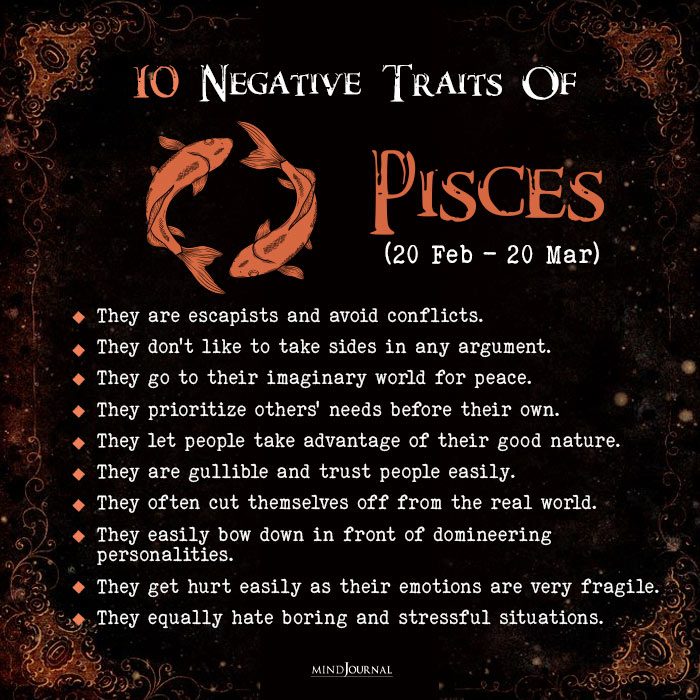
The Avoidance and The Escape Act
This was the number one killer of momentum. A problem would come up—a bug, a client complaint, a failure to hit the mark. Most of us would dive in, even if we were grumpy about it. Liam and Chloe? They’d just kinda pull the plug mentally. Not literally, they’d still be there, but they’d be staring into space or, worse, just decide to wander off and start reorganizing the coffee filters. It was like their brain just decided, ‘Nope, not today, I’m going to go live in the clouds for a bit.’ This isn’t just procrastinating; it’s a full-on, emotional withdrawal from reality. It meant I had to carry the load while they were off daydreaming about what we should be doing, rather than fixing what we just broke.
- Observation 1: They couldn’t handle confrontation. If an email was tough, they’d make me read it first.
- Observation 2: When stressed, they’d suddenly get super obsessed with a totally unrelated, low-priority detail. Distraction was the defense.
The Flakiness and The Drift
I swear, trying to nail down a commitment with either of them was like trying to catch smoke. They’d be all-in one day, promising big things, sketching out huge plans. The next day, those plans just kinda dissolved. They didn’t mean to flake, I really believe that. But their energy just floats, man. Whatever the atmosphere is that minute, that’s where the ship sails. If the wind changes, they change direction without even noticing. If they agreed to a Saturday session, chances were 50/50 they’d completely forget, or show up hours late with a vague story about feeling “off.”
The Complete Lack of Boundaries
This one was tough to watch. They soak up all the ambient emotion in the room like sponges. My bad mood became their bad mood. A client’s panic became their emergency, even if it had nothing to do with their tasks. Sounds empathetic, right? It wasn’t. It meant they were completely useless because they were too busy crying over spilled milk that someone else spilled. They lost all sense of self. They’d spend an entire afternoon trying to fix something for someone else, completely blowing their own crucial deadlines, and then act surprised when I pulled them up on it.
The Self-Pity and the Martyr Act
Oh, the martyrdom. Everything was a sacrifice. Every late night, even one that they caused by being slow all day, turned into this huge, dramatic performance about how much they were suffering for the team. They wouldn’t just do the work; they had to make sure you knew they were doing it while basically bleeding out. I remember asking Liam to check a database entry, a five-minute job, and he paused, sighed dramatically, and said, “Fine, I guess I’ll just sacrifice my lunch for the greater good then.” That straight-up martyr act got old fast. It wasn’t about seeking recognition; it was about seeking pity to validate their own emotional overwhelm.
The Over-Sensitivity to Critique
This is where the project finally imploded. You couldn’t tell them they were wrong. Even if you framed it in the nicest, most constructive way possible, it was taken as a personal attack on their entire existence. I’d say, “Hey, we need to adjust this design,” and they’d hear, “You are a failure, and your contributions are worthless.” The reaction was always bigger than the stimulus. Instead of correcting the work, they would spend two days moping around, forcing me and the other partner to spend time trying to cheer them up, essentially doing emotional labor just to get back to zero productivity.
The business? It lasted another two months before we all threw in the towel. It wasn’t because the idea was bad; it was because the emotional cost of managing that level of constant, watery chaos was too high. That whole experience changed how I run teams. Now, I screen for competence, sure, but I also screen for emotional stability and, honestly, a certain degree of thick skin. I learned that having a big heart is great, but in the trenches, you need someone who won’t just turn into a puddle when things get heavy. And yeah, I gotta be honest, if I see the sign now, I definitely pay closer attention to how they handle stress before I rely on them for anything high-stakes.