

Man, dealing with a Pisces when they are running wild is a whole different level of frustrating. I know this because for nearly two years, I was locked in a situation that truly tested my patience, my bank account, and honestly, my sanity. I didn’t set out to become some amateur personality analyst, trust me. I did it because I was desperately trying to figure out why my business partner—we’ll call him Dan—kept driving our little operation straight into the ditch.
I put in my notice at my old gig back in ’21. It was a good setup, stable paycheck, but I had this big idea. Dan had the skills to match, or so I thought, and we decided to jump in together. We pooled our savings—everything we had—to launch this small software service. I handled the sales, the money, the planning. He was the product guy, the one who actually had to build the damn thing. The first six months were great. We were running on adrenaline. Then the real work started hitting, and that’s when I started seeing the cracks.
Every time we had a tough decision—like firing a contractor who wasn’t pulling their weight, or committing to a major change in the product roadmap—Dan would just vanish. Not physically, but mentally. His answers would get vague. He’d start saying things like, “It’ll all work out,” or “Maybe we just need to wait for a sign.” I’m looking at the bank account that is bleeding out, and he’s talking about waiting for a sign. It drove me nuts. I had to personally step in and become the bad guy every single time, making the hard calls just to keep the lights on.
The worst was when we landed our biggest client yet. Six figures, a huge deal. They needed a small feature customized, and they needed it in two weeks. It was totally doable. I laid out the plan, got Dan to agree, and I walked away feeling good. Three days before the deadline, I check in. He’s built maybe 10% of it, and the rest? He suddenly decided the client’s request was “too harsh on the users” and he started building this totally different feature that he thought they needed, instead of what they actually paid for. He was trying to be the hero, the martyr for the theoretical user base, and in the process, he nearly sank the company and destroyed our reputation. We missed the deadline. I spent the next month begging for forgiveness, making promises I had no idea if we could keep, just to salvage the relationship.
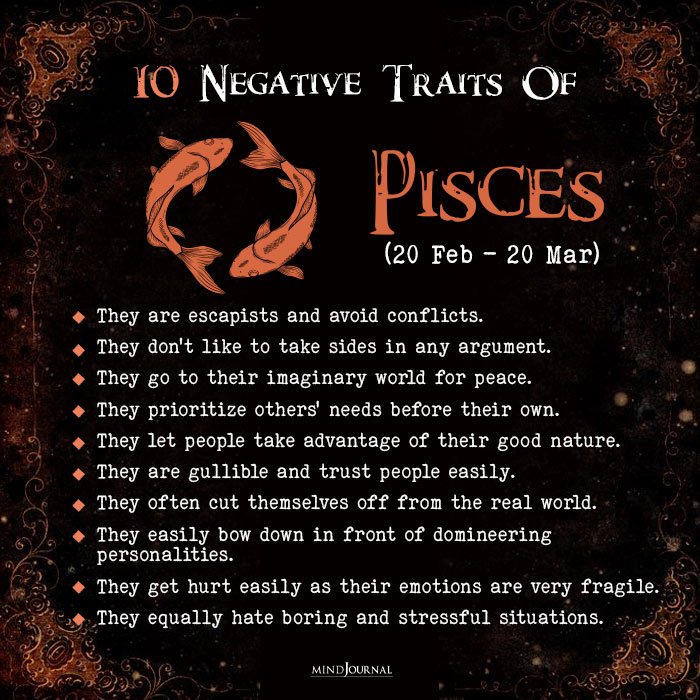
After that close call, I knew I couldn’t just rely on logic anymore. I had to understand the person. I started reading everything I could find about their sign, trying to piece together why he operated in this weird, self-sabotaging way. I started logging his behavior versus the pressure we were under. That’s how I figured out the three main weaknesses I had to deal with if I wanted to stay in business.
The 3 Major Weaknesses I Had to Learn to Navigate
- The Great Escape Artist.
- The Martyr/Victim Loop.
- The Foggy Boundaries.
This is the first thing I noticed. When reality gets ugly or complicated—when there’s a real conflict that needs handling—they bolt. They don’t confront it. They don’t debate it. They just mentally check out. In Dan’s case, he’d either sink into this deep funk of self-pity, or he’d start dreaming up some massive, unrelated new feature that was completely disconnected from the actual problem we were facing. It was pure avoidance. They are experts at ignoring the burning building right in front of them by imagining a perfect new palace somewhere else. I learned to lock down decisions in writing and force a definite “yes” or “no” right away before they could drift off.
This one almost finished me. A Pisces loves to sacrifice themselves. They want to be seen as the one who suffered the most, who gave the most, who had the hardest time. Like I said before, Dan tried to build the ‘better’ feature, not the requested one, because in his head, he was fighting the good fight and protecting the users. When it blew up, he didn’t apologize for his mistake, he became the victim. “I tried to do the right thing and no one appreciated it.” They self-sabotage by over-giving or taking on too much, and then they resent you when their sacrifice goes wrong. You have to force boundaries on them or they will become both the person who failed and the person you have to apologize to.
This is the root of the first two issues. They blur the line between what is theirs and what is yours, what is real and what they wish was real. They take on other people’s emotional baggage like it’s their own backpack, and then they wonder why they are too tired to do their own job. This lack of solid emotional walls means they get overwhelmed by external pressures way faster than you do. They absorb every little crisis. I learned that for me to survive, I had to stop sharing every little detail of the company stress, otherwise, he would absorb it, freeze up, and then I’d have two problems: the original issue, and a paralyzed partner.
We eventually sorted things out, but not before I spent a year adjusting my whole approach. I stopped asking for input on hard decisions and started giving simple, binary tasks. I stopped sharing my worries and started creating clear, protective walls around our work zones. I realized I couldn’t change the way he processed the world. All I could do was change how I reacted to the fog he created.