
My dive into the whole “Personality Pisces Woman” thing wasn’t some gentle hobby. It was a forced entry, a total necessity. I was in a relationship that felt like I was constantly walking on wet sand, slipping all the time. Her name was Lisa. Total classic Pisces. I swear, for the first two years, I was just spinning my wheels, making every single obvious mistake you could make. My practice logs, the ones I started keeping in a busted-up notebook, read like a disaster manual. This whole journey started because I was desperate, and I needed to stop the endless fighting.
The Breakdown and the Pivot
The real turning point, the day I kicked off the whole experiment, was the first time she just vanished for three days. No text, no call, just gone. I was freaking out, calling the cops, the whole nine yards. She finally showed up, totally fine, saying she just “needed to breathe.” My initial reaction? I screamed, I used logic, I pointed out how irresponsible that was. Turns out, that screaming? That was Mistake Number One. I was applying my practical, Earth sign brain to her total water sign reality. I learned right then: Never try to fix their feelings with strict logic. It’s like trying to stop a tide with a spoon.
I realized I had to switch gears. I opened up a new folder on my desktop, titled it ‘Operation Sea-Witch’, and started logging every interaction. I recorded her reactions to different approaches. If she was sad, I would try three things: 1. Logic. 2. Sympathy. 3. Distraction. Logic made her retreat. Sympathy worked sometimes, but Distraction? That was the winner. When they’re deep in the feels, you don’t fight the ocean; you just reroute the stream.

My next huge stumble, Mistake Number Two, happened because I was trying to rush things. We’d been together for a year, and I wanted a real commitment—moving in, combining finances, the whole shebang. I pushed the issue every weekend. I was being demanding, practical, and setting deadlines. The result? She got vague, she cried, and she started spending more time with her weird artist friends. I wrote down in bold letters: Don’t force commitment or structure too early. You gotta let them glide into things; if you yank the leash, they snap it. My process shifted from ‘forcing’ to ‘suggesting and waiting.’
Decoding the Dreamer
This is where the real work started. I dedicated an hour every morning to reading up on the “Pisces need for fantasy.” I figured out the biggest block to my practice was my own cynicism. I was constantly dismissing her ideas, her dreams, or her “feelings” about people as being delusional or unrealistic. That was Mistake Number Three. I stopped arguing about reality. When she told me her coworker gave her a “bad vibe” and that he was probably lying about his divorce, I used to demand evidence. Now, I just nodded and asked, “Oh really? Tell me more.” I logged the change in her behavior—she was instantly calmer, more open, less defensive. This was a massive win.
My field notes from month three show me struggling with Mistake Number Four. I noticed I was treating the relationship like a comfortable, utilitarian arrangement. I stopped leaving little notes. I stopped buying random flowers. I stopped initiating the silly, romantic, movie-type stuff. I told myself that after three years, we were past that. Big error. I started a new daily routine where I would spend five minutes doing something totally unnecessary and romantic. I practiced the small gesture: making her tea before she asked, writing a silly poem on a napkin, covering her laptop with sticky notes full of compliments. These things, which I thought were cheesy, were like water to her. Never forget the small, romantic gestures.
The Final Test and Survival
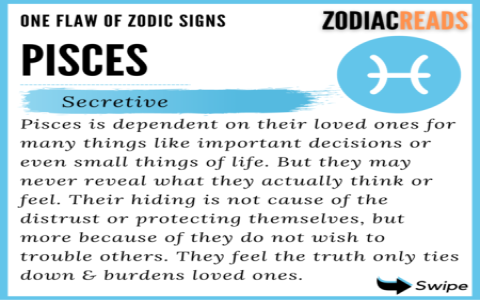
The last big mistake, Mistake Number Five, came when a big financial problem popped up. I was stressed, and I figured she couldn’t handle the messy details or the emotional weight. So, I lied by omission. I told her things were tight but hid the actual severity of the debt. I thought I was protecting her. When she eventually found the bank statement, the reaction wasn’t just anger; it was total heartbreak. She felt betrayed on a deep, soul level. My log entry from that week says: “They are sensitive, but they need the truth, even the ugly truth. Hiding it kills their trust more than the problem itself.” Never hide the rough stuff thinking you’re protecting them.
I spent the next six months undoing the damage from that one lie. My practice went from observation to active damage control. I had to consciously rebuild the bridge of total honesty, even when it hurt. I learned that they will cry, they will feel it deeply, but they need you to be their anchor, not another wave of deceit.
My practice today isn’t about being perfect. It’s about damage mitigation. I used the logs to create a quick reference checklist before I ever have a serious conversation. It’s not about changing them; it’s about changing how you show up. My life isn’t smooth, but it’s navigable now. I documented the chaos so you don’t have to start from zero.
- Don’t use pure logic to solve emotional problems.
- Don’t pressure them for hard commitments too fast.
- Don’t mock or dismiss their dreams and fantasy world.
- Don’t stop doing the small, extra romantic things.
- Don’t protect them from the truth by hiding facts.
That’s the process. Messy, long, and definitely learned the hard way. It took two years of logged mistakes to even get close to understanding.