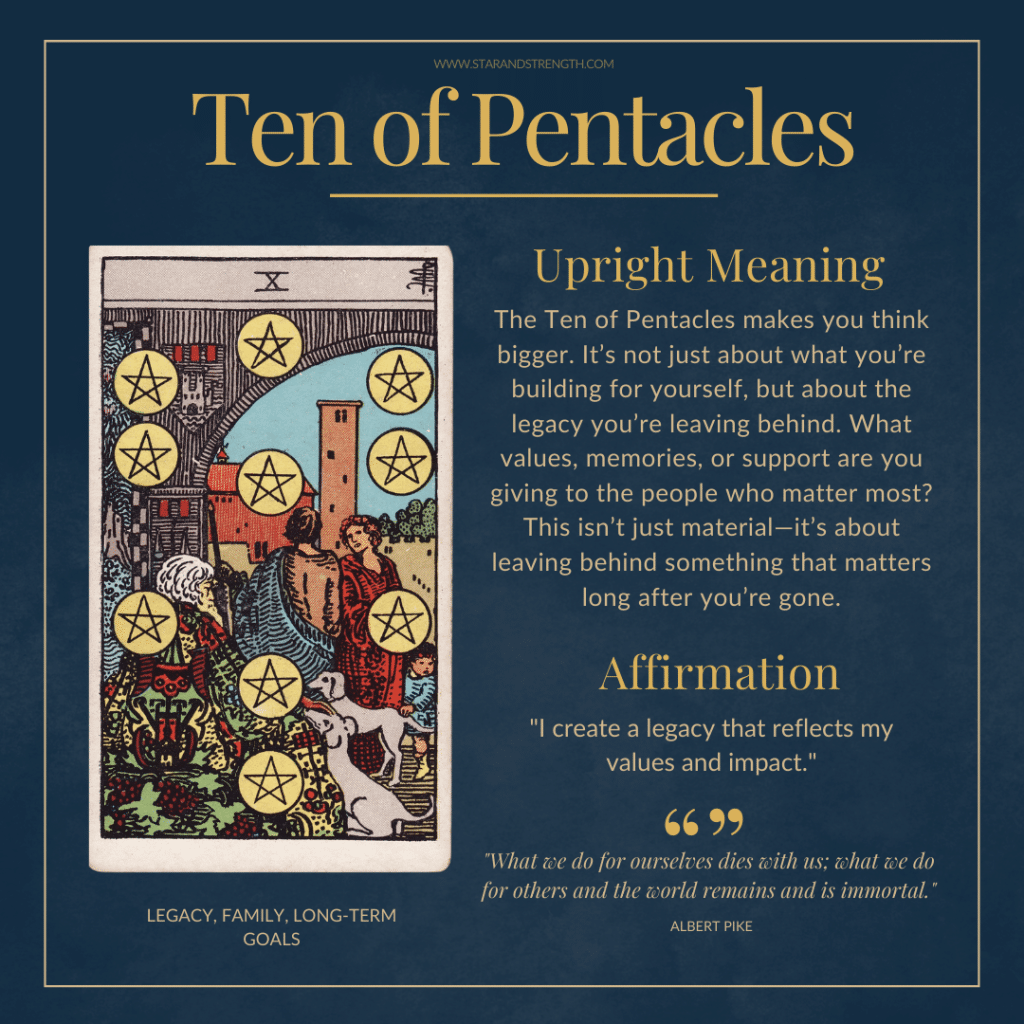
I pulled the 10 of Pentacles the other week. I wasn’t doing a reading for anyone, just playing around, and that card popped up as the “advice” column. Look, everyone sees money and houses when that card shows up, but I saw something a hell of a lot more practical: It’s not about inheriting a pile of cash, it’s about inheriting a system that works.
It got me thinking: What does building truly lasting family wealth actually look like for a regular dude who isn’t already filthy rich? I decided to treat the whole thing as a six-month project and just track the chaos.
The Mess That Forced My Hand
Why did I even bother diving into this organizational spreadsheet hell? Because when my uncle passed away unexpectedly, the whole family went into meltdown. We spent six months just trying to figure out where his basic bank accounts were. Nobody knew who held the life insurance policy, if he even had one, and the deed for his little cabin was literally in a pizza box under the bed. It was chaos. We didn’t need a fancy lawyer; we needed a goddamn treasure map.
That right there was the lightbulb moment. Family wealth isn’t the amount of money; it’s the accessibility and clarity of the system. I realized if I died tomorrow, my wife would be staring down that exact same confusing shoebox full of half-paid bills and expired paperwork. I wasn’t just building wealth; I was cleaning up a future mess for my kids.
Phase 1: The Great Detox and Documentation Sprint
I started by dragging every single financial document, statement, and insurance policy I could find, and I mean everything, into one digital folder. I didn’t care about a budget yet. I just collected.
Then I created a master document—I called it “The Blueprint”—and I typed out the password hints, the login sites, the contact names for the advisor (yes, I finally got one), and the policy numbers. I didn’t use any fancy cloud service; I just saved it to a simple flash drive and put it in a fireproof safe that only my wife and I know the code to.
This whole part was physical labor. I smashed all the tiny, stupid debts first—the credit card crap with the high interest that was just bleeding me dry. Those small wins make the big job feel less impossible. I used a simple budgeting app to track every outgoing dollar for three months straight. No judgment, just pure data. It was ugly, but it showed me exactly where the money was leaking.
Phase 2: Setting the Machine on Autopilot
The 10 of Pentacles is stable, right? Stable means automatic. So I moved every single investment, every bill payment, and every savings contribution to be automatic. I set up three separate direct deposits from my paycheck:
- Money for Bills (goes into the checking account).
- Money for Fun (goes into a specific spending account).
- Money for Future (goes straight into the investment/retirement account and never touches my hands).
I did the scary conversation with my wife about ‘if I get hit by a bus tomorrow.’ We signed simple, essential wills. We designated beneficiaries on every single account. This part wasn’t fun, but it was essential. If you don’t do this, you’re not building wealth; you’re building a tax problem for your children. We finished it in one messy Saturday afternoon, just forcing ourselves through it.
Phase 3: Building the Next-Gen Structure
This is the part most people skip. You can’t build lasting wealth if you don’t teach the people who will actually inherit it. I forced my two oldest kids to open a simple investment account with twenty bucks each. I showed them how compound interest works, not with a calculator, but by logging in every month and making them check the balance. When they complained it was boring, I explained that “boring” is exactly how you get rich. Fast and exciting is how you go broke.
I made them track their own micro-investments. I required them to put 10% of any gift money into that account before they could touch the rest. It’s not about getting a return now; it’s about embedding the process into their brains.
The Real Takeaway and What’s Happening Now
What I learned is that the 10 of Pentacles isn’t about inheriting the mansion; it’s about inheriting a stable, well-organized structure. It’s not about having a million dollars; it’s about knowing exactly how to handle the first $10,000 you get and having all the paperwork organized so the lawyer doesn’t eat up $5,000 of it just trying to find the right name on the deed.
The system is still a little messy, of course. I still forget a password, and the kids still complain about checking their stupid investment app. But since I cleaned up the blueprint, three other family members—my sister and two cousins—actually called me. Not to ask for money, but to ask: “How did you set up that simple damn spreadsheet and the fireproof box system?”
That’s the real win. I turned chaos into a repeatable process. You’re not trying to get rich quick; you’re trying to be prepared so that the next major life event—the job loss, the unexpected death, the big expense—is only a hiccup, not a family-wide financial divorce. The work never really stops, it just gets boring and consistent. And boring and consistent is the only way the 10 of Pentacles manifests in real life. I had to fix the last guy’s mess, so trust me, I know the difference.