I was completely flattened after that whole situation with the big client, you know? They just went dark, pulled the plug on three months of solid work, no warning. Left me sitting there staring at a zero balance and a stack of bills that wouldn’t pay themselves. I sat on my couch for three days straight, just staring at the ceiling, trying to figure out what the hell move to make next. Felt like I was totally frozen, stuck deep in the mud. I needed a massive jolt, a big push, but all the standard advice—’just grind harder’—felt like garbage when I couldn’t even stand up.
Then I remembered this tiny, beat-up copy of the I Ching my Grandpa left me years ago. It had been gathering dust way up high on the bookshelf. I pulled it down. The pages were yellow and brittle, and the whole thing smelled like old wood and dried ink. I didn’t want to get into the complicated mess of those dried yarrow sticks everyone talks about. That sounded like a whole class I didn’t have time for. I searched online for the fastest, dumbest, most immediate way to get some sort of answer or direction. I quickly landed on the three-coin toss method. It looked simple enough that even I, in my current potato state, could handle it.
The Coin Method I Adopted
I dug through the kitchen junk drawer until my fingers were black. I found three old U.S. nickels—they were all sticky and gritty, perfect. I decided right then and there that heads were worth 3 points and tails were worth 2 points. I figured the exact number didn’t matter as long as I kept the method consistent every single time I threw them. Consistency felt like the only thing I had control over.
Before any of that coin tossing starts, you have to get the question straight. This is the hardest part. I grabbed a cheap notebook and my heaviest pen. I wrote down the problem, exactly as it was chewing me alive, right there on the top of the page: What should I do about getting this new, steady flow of income going, right now? I made it clear. I read the question out loud to the empty kitchen. I made it real.
Then I cupped the three coins tight in my hands. I shook them hard, really shaking all the panic and the anger and the worry into them. I felt them rattle. I tossed them high onto the kitchen table’s wooden surface. They clattered and rolled for a long time.
- I checked the total points. If it added up to 6 (meaning three tails), I drew an X on my paper. That was an old Yin line that was moving to Yang.
- If it added up to 9 (meaning three heads), I drew an O. That was an old Yang line moving to Yin. These were the lines that mattered most.
- If it came up 7 or 8, I drew a solid line or a broken line—just a straight or broken dash. Those were fixed, they stayed put.
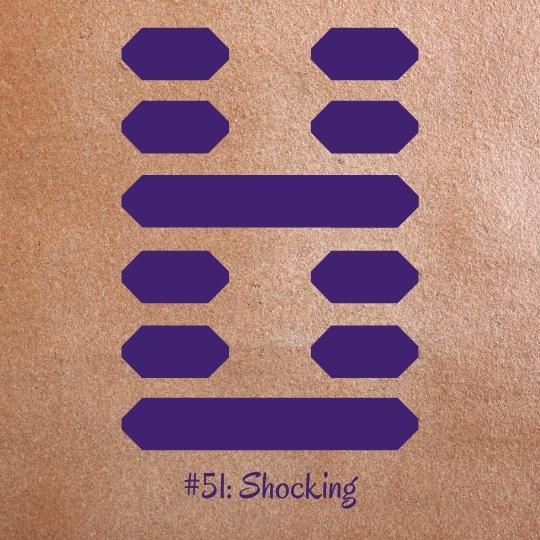
I did this process six times, six separate throws. I recorded them right there in the book, starting from the bottom line and working my way up. I ended up with Hexagram 51, the Arousing one—Thunder over Thunder. Just the massive jolt I was asking for. The irony wasn’t lost on me.
I read the Judgment first. It talked about fear and trembling but then said to look for the laughter that follows. That felt exactly right, like a cold splash of water. It said to simply act with reverence and not to let the ceremonial cup fall. I knew that meant to be extremely careful and serious with the next thing I put my hand to.
But the real insight was in the changing lines. I had a moving line on the fifth place. I read the line text slowly. It spoke about moving forward against danger, not losing concentration in a big crowd of confusion. The key, it said, was the power of persistence through that fear.
I took those moving X and O lines and turned them over—solid to broken, broken to solid. That gave me the secondary hexagram. It was Hexagram 3, Difficulty at the Beginning. Aha. That slapped me awake. The first reading told me I was shaken up but needed to move. The second one told me the next step would be a confusing mess, a hard, messy beginning, but I had to persevere, like the tiny young shoot pushing its way through the hard earth.
It didn’t give me the name of the next client or tell me where the money would come from. It gave me a framework for my panic. It took the terror out of the immediate situation. I closed the book. I got up from the table. I started making the dreaded phone calls I had been putting off. I realized that the process of asking was the whole point, not the knowing the future. I kept the notebook. I kept those three nickels. And I kept tossing them every time I felt that familiar, overwhelming panic creeping back in. That simple act forced me to slow down and write the problem out straight every single time. And that helped more than any magical answer ever could. It just worked for me. I still use those same three beat-up coins today.